Become a Zoo Member!
Unlimited visits all year long, free parking, and more.


Today's Hours: Zoo Hours: 10am - 6pm. Lantern Festival Hours: 7:30pm - 10:30pm.
Picture this: What if your next big high school experience started at the Columbus Zoo?
Maybe you already know you want a career working with animals. Maybe you’re interested in conservation, science, travel or leadership. Or maybe you have absolutely no idea what you want to do after high school yet. That’s okay, too. High school is a pretty great time to start figuring it out.
At the Columbus Zoo, there are several ways for Ohio high school students to take what they’re learning and interested in and put it into action. You could team up with classmates to make your school more sustainable, spend time at the Zoo building skills and gaining experience, or travel to incredible ecosystems and see conservation work happening in the field.
So, if we were visiting your classroom today, these are three opportunities we’d want you to know about.
Have an idea that could make your school or community a little greener? Bring some friends and build it.
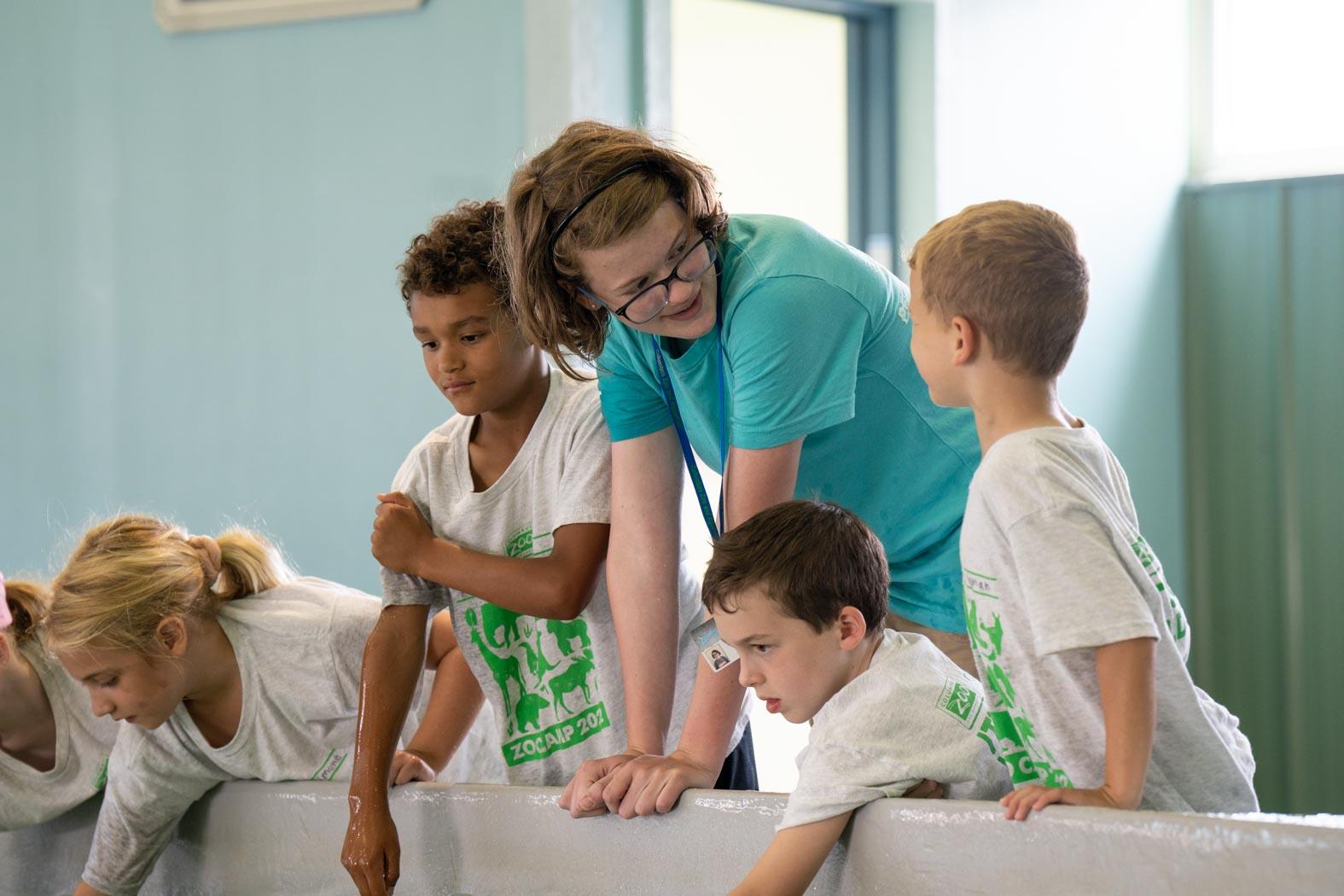
The Columbus Zoo's Teen Eco Summit brings together high school students from across Ohio to tackle real conservation and sustainability challenges. More than 300 students will participate in the 2026 Summit, working in teams to develop Conservation Action Plans they can put into practice at their own schools and in their communities.
The free program kicks off at the Columbus Zoo's Africa Event Center on October 28 and 29, 2026, where students will hear from experts in conservation, sustainability and leadership while connecting with other teens who want to make a difference.
Then, the work heads home.
Teams continue developing their projects throughout the school year, connect with community partners and can apply for grant funding to help bring their ideas to life. In the spring, students return for a celebration where they can share what they accomplished and learn from other participating teams.
And those projects can take plenty of different forms. Past ideas have included clothing swaps, recycling programs, pollinator gardens, energy-efficient stadium lighting and schoolwide environmental initiatives. That means students don't need to arrive with plans to solve every environmental challenge facing the planet. They can start with something meaningful and achievable in their own school or community.
QUICK FACTS
Application deadline: October 1, 2026
You notice how many plastic bottles end up in the trash at your school. Or maybe there's an unused patch of grass that could become a pollinator garden. Teen Eco Summit gives students a place to take that first “What if we...?” idea and begin turning it into an actual conservation project.
For some teens, learning about an ecosystem is fascinating. Standing in the middle of one can change the way they see it.
The Zoo's Teen Conservation Travel Programs give high school students the opportunity to learn about wildlife and conservation where that work is happening. These immersive field experiences combine science, wildlife, travel and hands-on learning, giving students a chance to explore their interests beyond a traditional classroom setting.
Students travel with the Columbus Zoo's Conservation Education team, explore ecosystems, meet conservation professionals and get a closer look at careers connected to wildlife, ecology and conservation.
For summer 2027, students can choose from two very different field experiences.
Oceans and You Ecology Field Experience | June 19-26, 2027
Grab the snorkel.
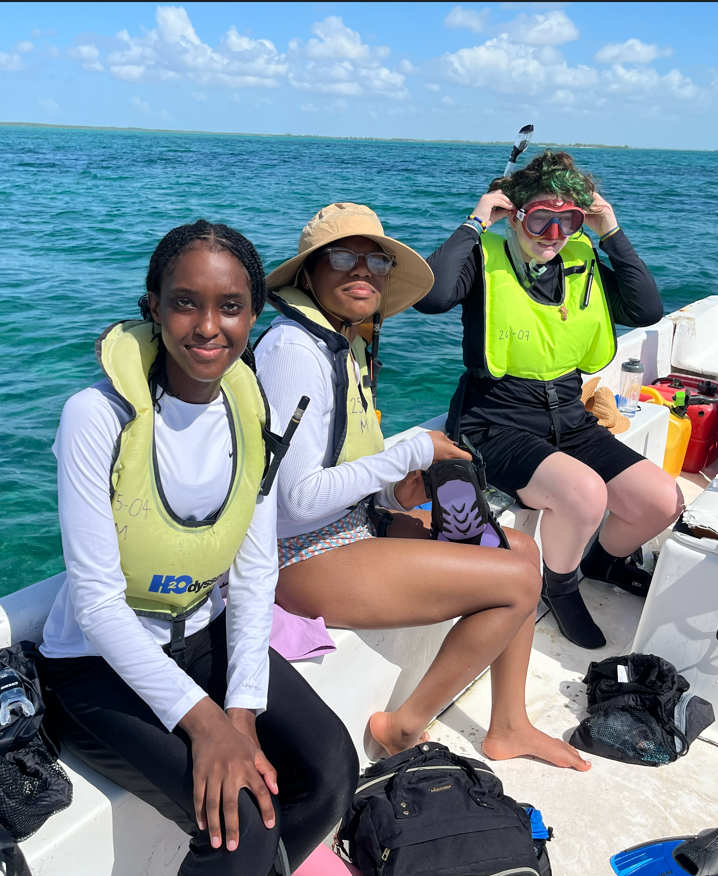
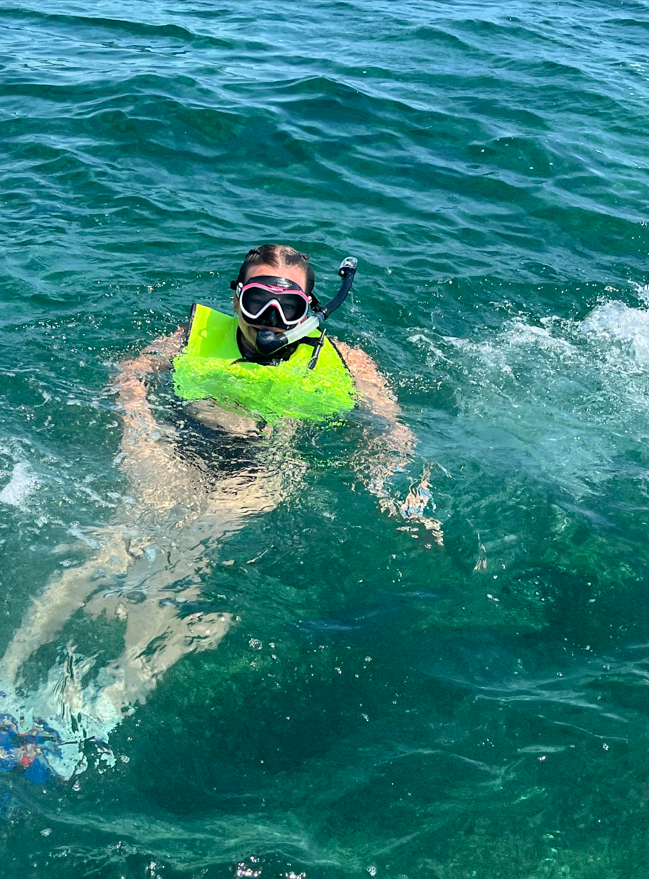
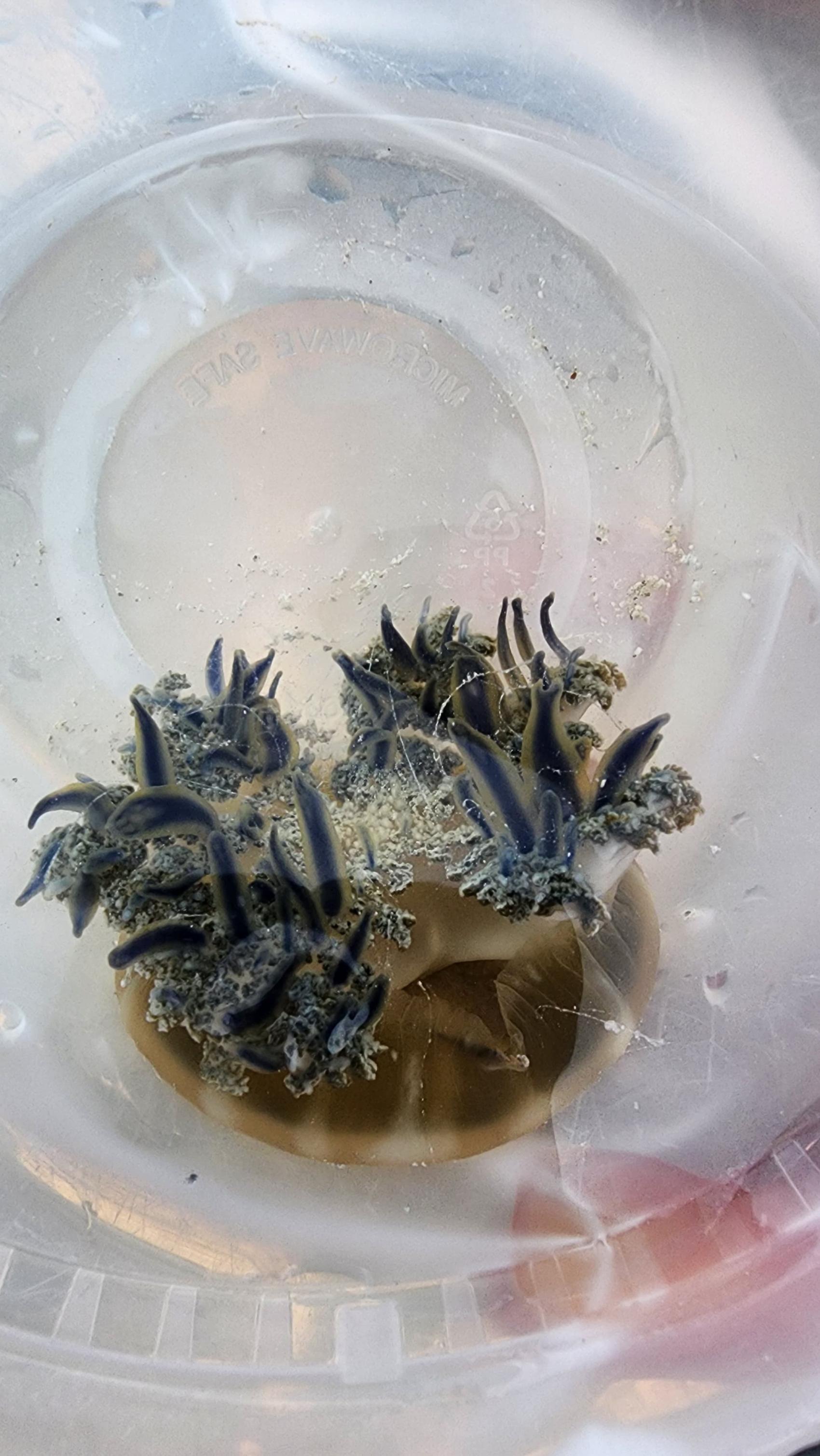
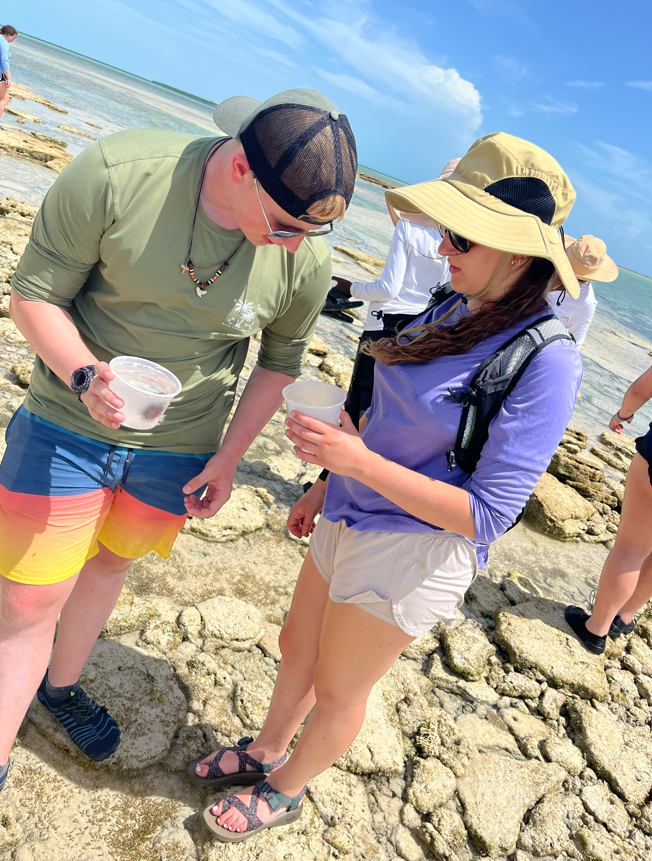
Students head to the Bahamas for an experience centered on marine ecology and conservation. Coral reefs and tropical waters become part of the classroom as students explore marine ecosystems and learn about the connections among wildlife, people and healthy oceans.
For a student interested in marine biology, ecology or conservation, it's an opportunity to experience those subjects somewhere very different from central Ohio.
Yellowstone Wildlife Ecology Field Experience | July 24-31, 2027
Trade the coral reef for mountains, valleys and some very large neighbors.
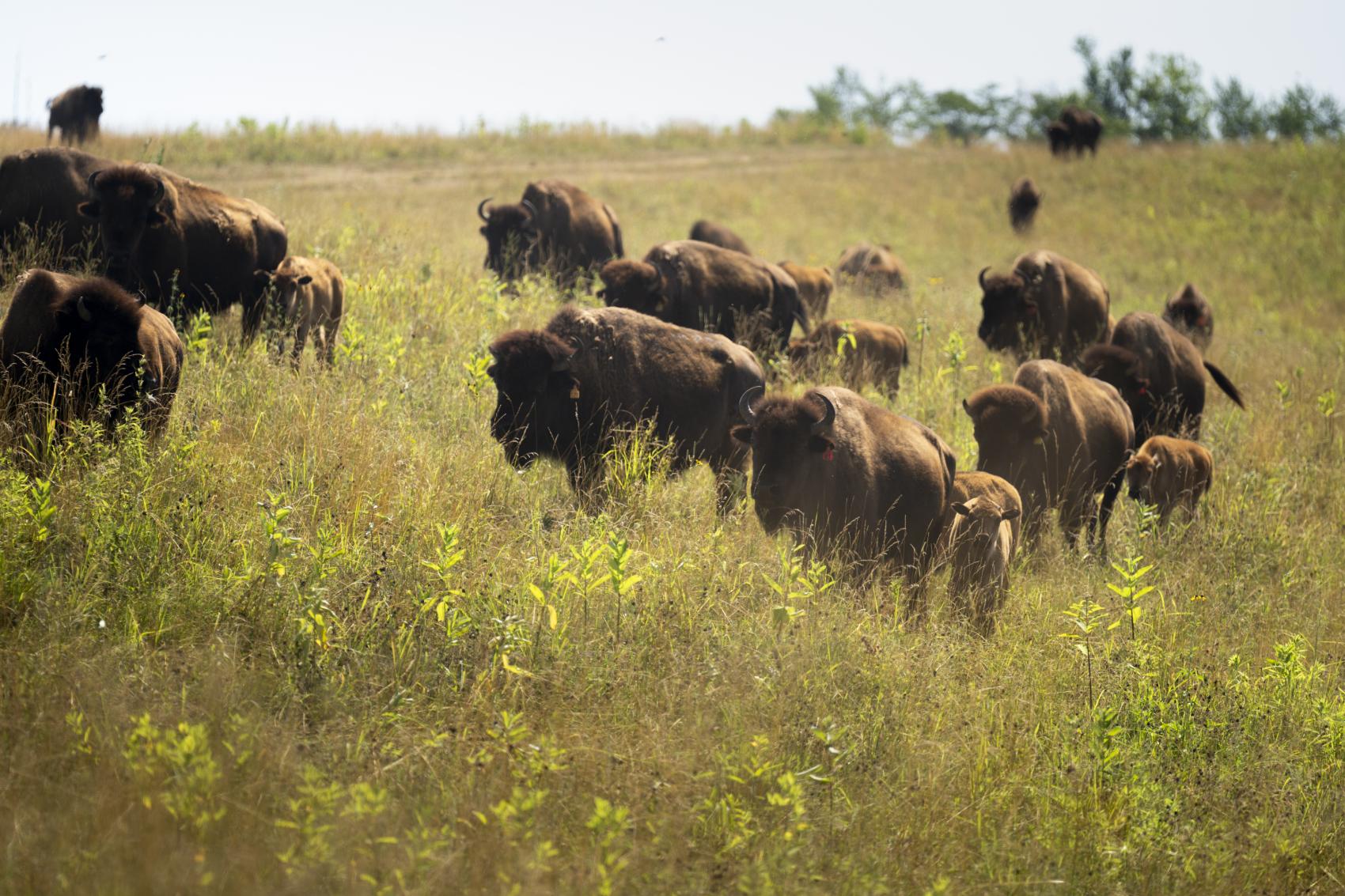
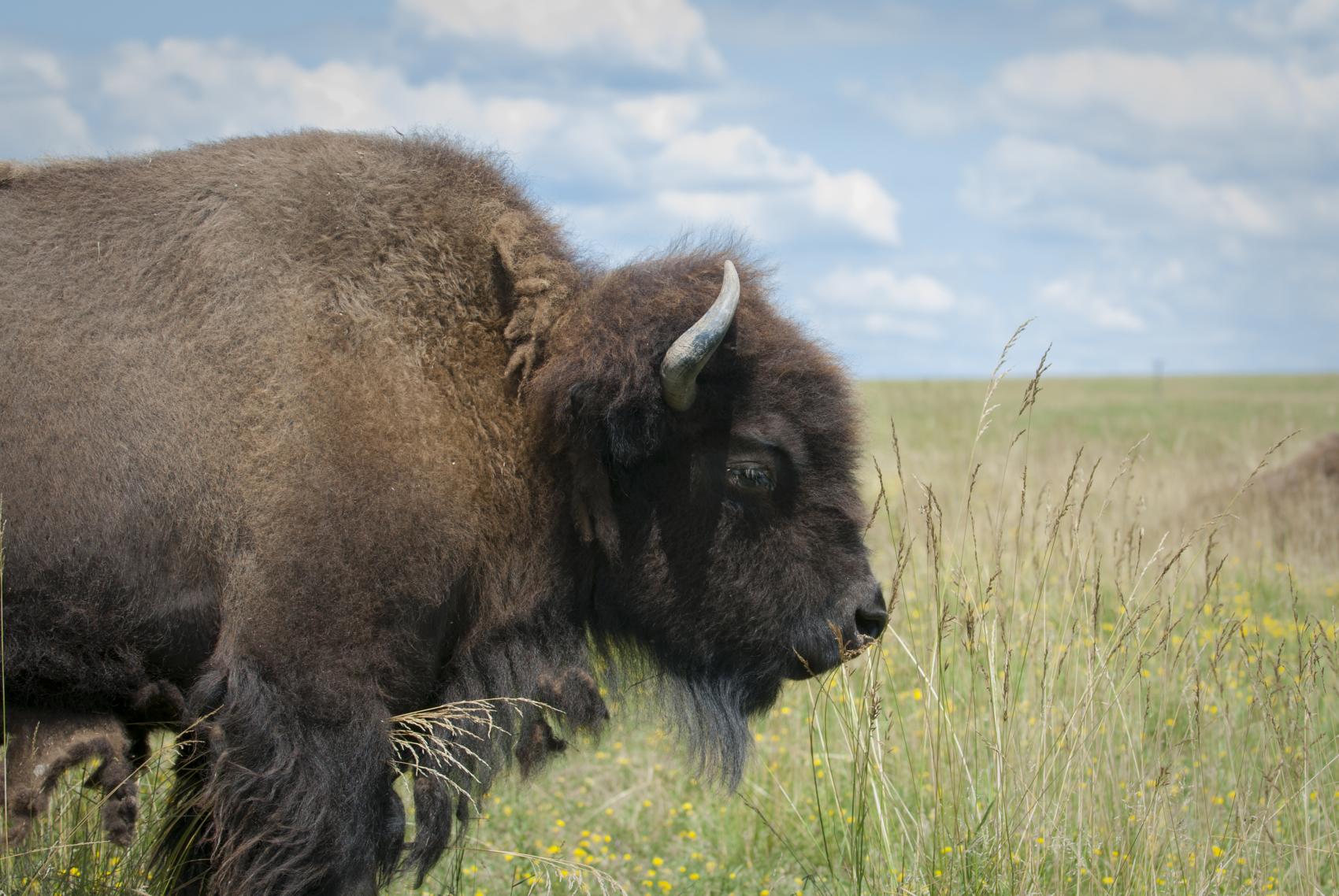
Students travel to the Greater Yellowstone Ecosystem to explore wildlife ecology in one of North America's most recognizable landscapes. The experience gives teens an opportunity to learn about wildlife, including bison, while seeing firsthand how animals, landscapes and conservation efforts are connected.
Both programs also offer something harder to recreate in a textbook: the experience of traveling with other students, navigating a new environment and discovering what it's like to learn in the field.
Explore Teen Conservation Travel Programs Take a Peek at the 2026 Bahamas Trip
Imagine answering “What did you do over summer break?” with stories about snorkeling in the Bahamas or studying wildlife in Yellowstone. These aren't sightseeing trips with a conservation lesson tucked in. The destination itself becomes part of the learning experience.
Maybe your ideal adventure is a little closer to home.
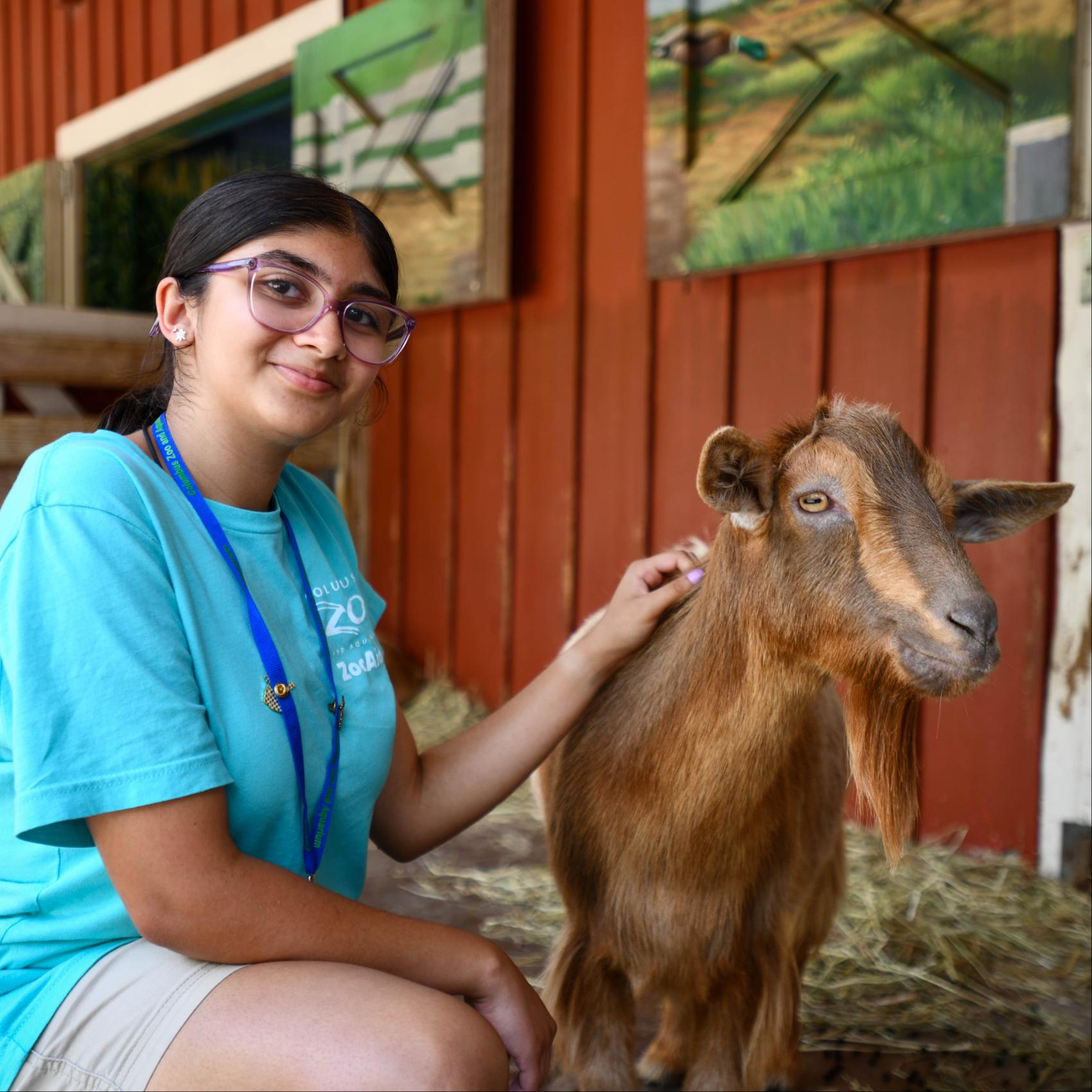
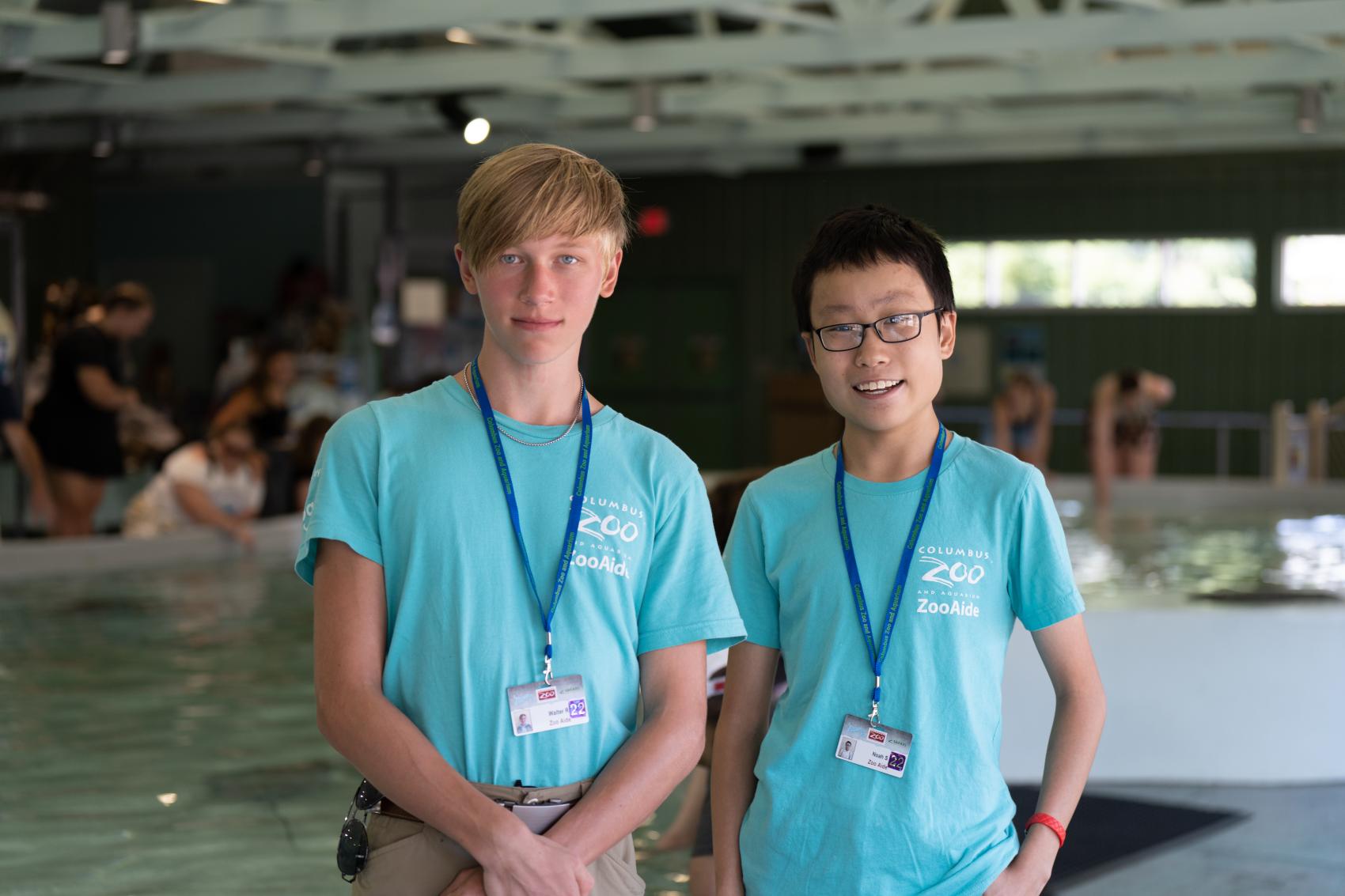
For teens interested in volunteering, building job skills or getting a better look at what happens behind the scenes of a major zoological organization, the ZooAide program offers a chance to become part of the Columbus Zoo team.
Designed for teens entering grades 8 through 12, ZooAides are volunteers who demonstrate leadership, professionalism, and a strong interest in wildlife conservation. Through their time at the Zoo, teens gain experience interacting with guests, working as part of a team and representing an organization in a professional environment.
For students considering their first job, college applications or careers involving animals, conservation, education, hospitality or public service, those experiences can become valuable building blocks.
There's also an important distinction for future ZooAides to understand. This is not a program where teen volunteers spend their shifts feeding giraffes or hanging out with penguins. For health and safety reasons, direct animal contact is minimal. Instead, ZooAides get exposure to the guest-service side of zoo and aquarium careers while learning more about the many people and professions it takes to operate the Zoo.
A zoo career can mean a lot more than becoming a zookeeper. Zoos need educators, conservationists, veterinarians, researchers, guest-service professionals and many other specialists. Volunteering can give teens an early look at a workplace where all of those careers come together.
Still deciding which one sounds most like you?
Teen Eco Summit: I have ideas and want to make something happen.
Work with a team to create a conservation project you can bring back to your school or community.
Teen Conservation Travel Programs: I want to get out there and experience conservation for myself.
Travel, explore ecosystems and learn about wildlife and conservation in the field.
Zoo Aides: I want experience at the Zoo and a chance to build real-world skills.
Volunteer, work with guests and learn what it takes to be part of a zoological organization.
High school is filled with questions about what comes next. What are you good at? What do you care about? What kind of work could you see yourself doing someday?
You don't have to have those answers yet.
Sometimes, figuring out what comes next starts with trying something new. Gather a team and tackle a conservation challenge at your school. Volunteer and discover what it takes to help create a great experience for Zoo guests. Pack your bags and see what wildlife conservation looks like hundreds or thousands of miles from home.
An experience you sign up for during high school could introduce you to a new interest, a future field of study, a career you hadn't considered or a group of people who care about the same things you do.
School may be back in session, but your classroom can be much bigger than you think.