How the events of September 11, 2001, connected a bonobo at the Columbus Zoo to a small Newfoundland town forever.
On September 11, 2001, thousands of people boarded airplanes expecting to reach their destinations as planned. Among them were families returning home; business travelers, vacationers, and crews simply doing their jobs. And aboard one of the planes crossing the Atlantic were two passengers on a journey of their own: female bonobos named Unga and Kosana, traveling from Belgium to new homes at zoos in the United States.
None of them could have known that their journeys were about to become part of history.
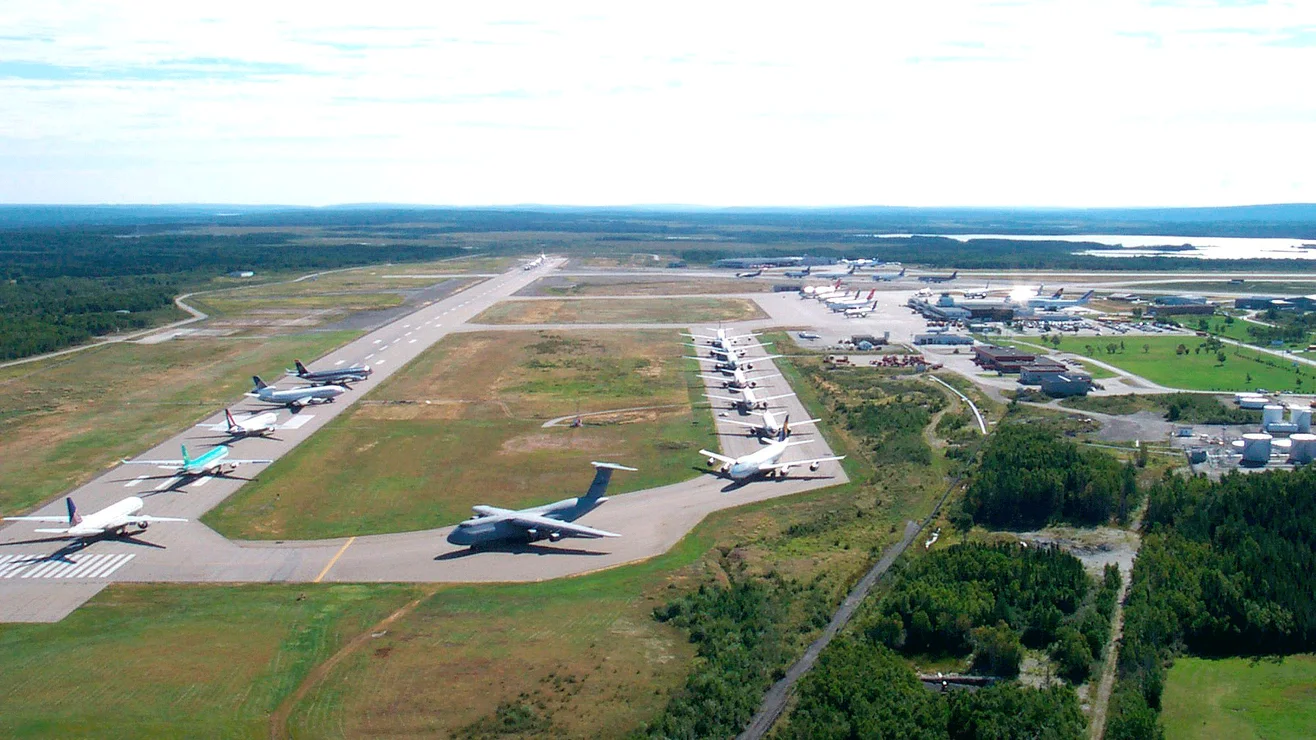
As the terrorist attacks unfolded in New York City, Washington, D.C., and Pennsylvania, American airspace was immediately closed. More than 4,000 aircraft were ordered to land or change course, and international flights already crossing the Atlantic needed somewhere to go. Canada launched Operation Yellow Ribbon to receive diverted aircraft, and on the island of Newfoundland, Gander International Airport suddenly became a destination for planes that had never intended to land there.
Over the course of just a few hours, 38 commercial airliners arrived in Gander. Nearly 7,000 passengers and crew members were stranded in and around a town with a population of roughly 10,000.
What happened next would make the name Gander known around the world.
A Town Opens Its Doors
The passengers who arrived in Newfoundland were frightened, exhausted, and far from home. Many had spent hours aboard their planes with limited information about what was happening in the United States or when they might be able to leave.
The people of Gander and surrounding communities responded by getting to work.
Schools, churches, and other community spaces became makeshift dormitories. Residents prepared thousands of meals and donated clothing, bedding, and toiletries. Transportation was arranged. People volunteered their time and offered whatever they could to care for thousands of strangers who had unexpectedly landed in their community.
The passengers became known locally as the "plane people." They had come from 95 countries and many different walks of life, but in Gander, they were simply people who needed help.
Some of the unexpected arrivals, however, weren't people at all.
Several of the aircraft carried animals, including Unga and Kosana, two endangered bonobos who were traveling from Belgium. Unga was headed to the Columbus Zoo and Aquarium, while Kosana would eventually continue to the Milwaukee County Zoo.
Their plane had been approximately an hour from U.S. airspace when it was redirected to Gander. For five days, Unga and Kosana remained with their assigned zookeepers as the community worked to meet the needs of thousands of passengers, crew members, and animals stranded there. The people of Gander made sure the bonobos and the staff traveling with them received the care they needed during an extraordinary and uncertain situation.
Then, after five days, the skies reopened, and the journeys resumed. Both Unga and Kosana finally made it to Columbus. While Unga remained here, Kosana’s destination remained Milwaukee, and she traveled there following a quarantine period at the Columbus Zoo.
But the story of Gander, Newfoundland, didn’t end there.
Unga Arrives at the Columbus Zoo
Unga was born February 22, 1993, at the Planckendael Zoo, part of the Royal Zoological Society of Antwerp in Belgium. She was 8 years old when she arrived at the Columbus Zoo in 2001 following her unexpected detour through Newfoundland.
She would spend nearly 20 years in Columbus.
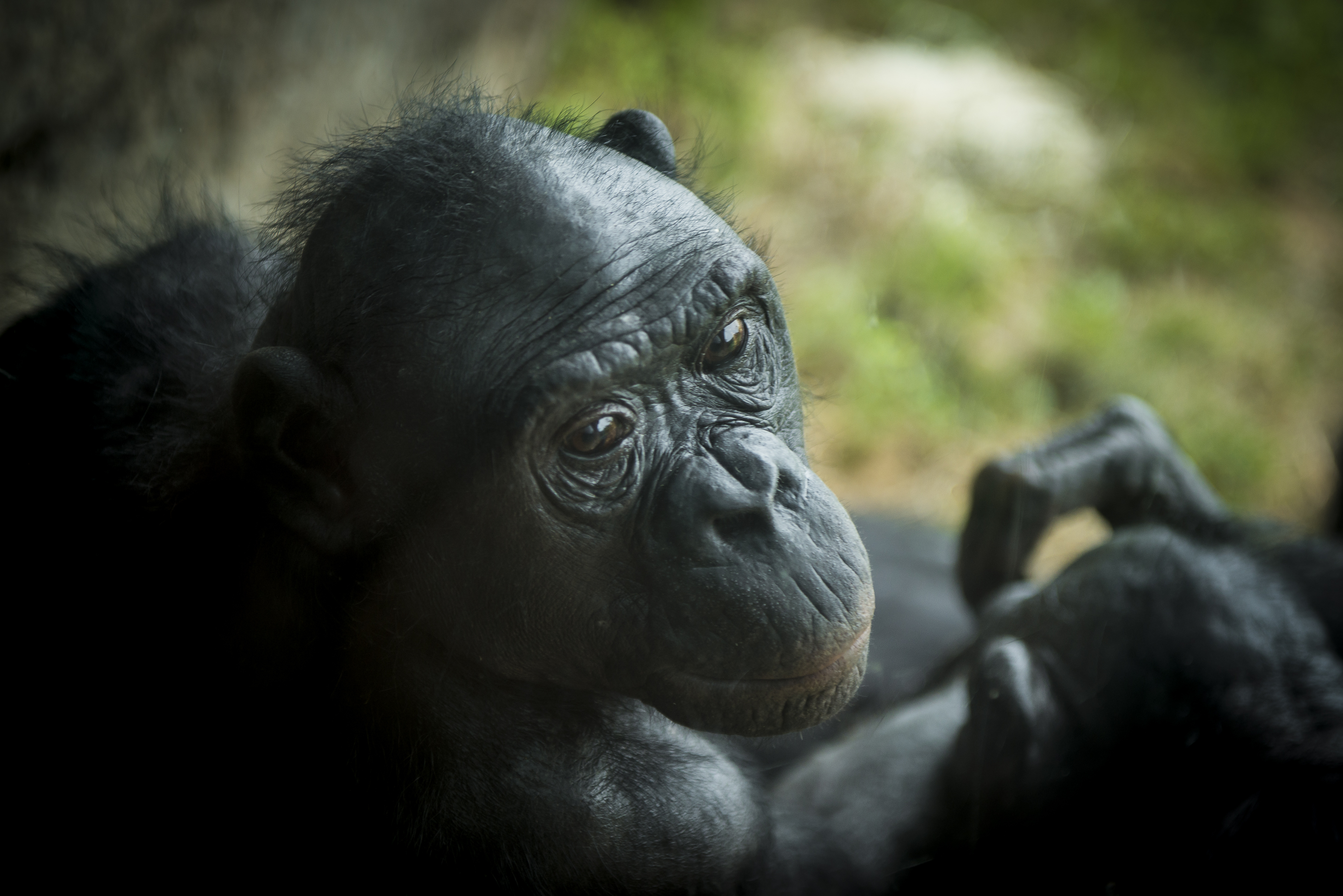
Then, in December 2003, Unga gave birth to her first baby at the Columbus Zoo. For the Animal Care team, there was a name that carried special meaning.
They named him Gander.
It was a thank you to a community hundreds of miles away that had been asked to care for strangers during one of the most frightening moments in modern history and had responded with extraordinary compassion. The town that had temporarily sheltered Unga became part of the story of her son.
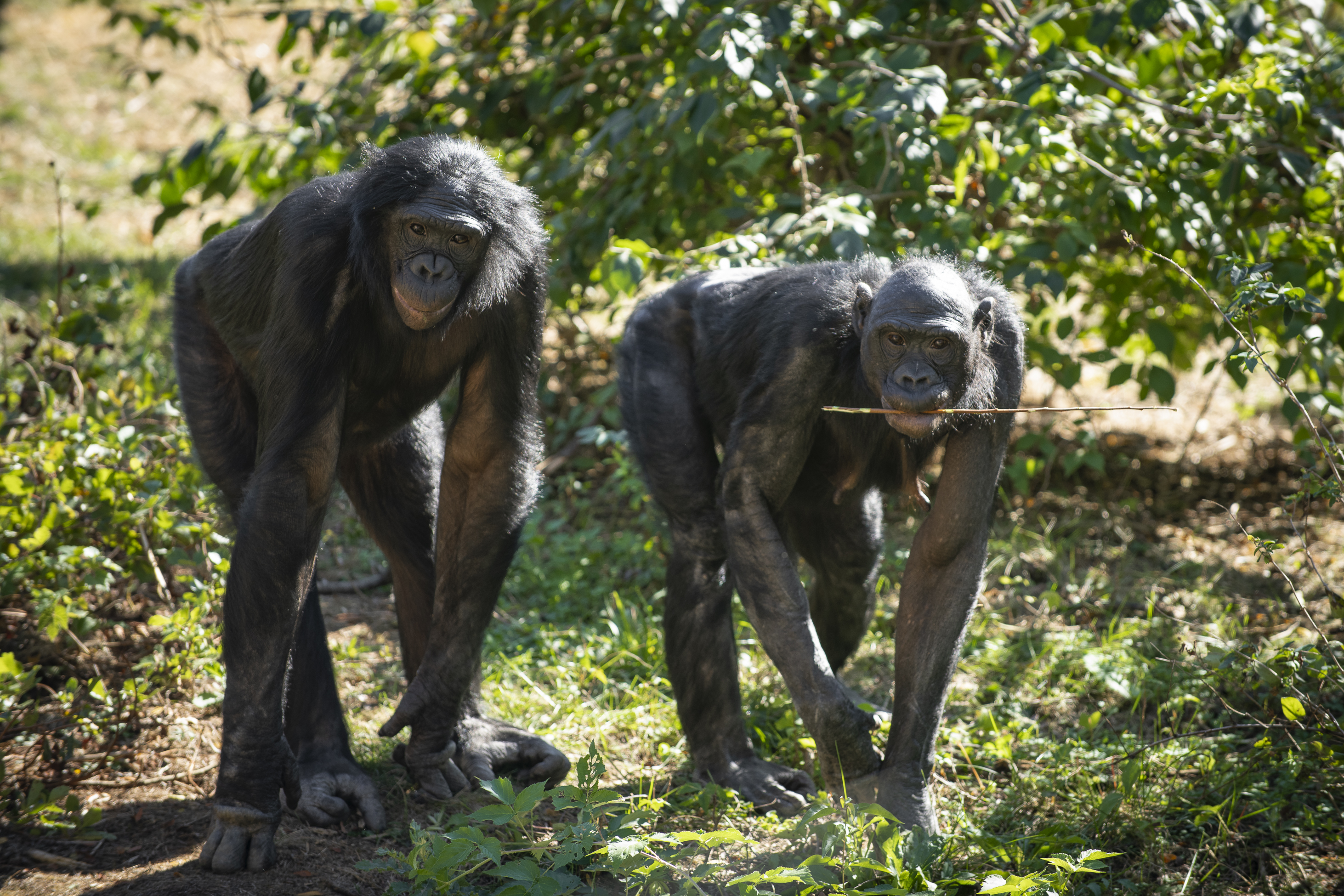
Gander has grown up here at the Columbus Zoo, and Unga went on to have two more children, Jerry and Elema. She became an important member of the Zoo's bonobo family and an ambassador for a species found in only one place in their native range, the Democratic Republic of the Congo.
Her own story also remained intertwined with the events of September 11. The extraordinary response in Newfoundland was chronicled in Jim DeFede's book "The Day the World Came to Town" and later inspired the Tony Award-winning Broadway musical "Come From Away". Unga's experience was among the animal stories referenced in the production.
Twenty years after arriving in Columbus, Unga passed away on March 5, 2021, at age 29. The name given to her first son continues to serve as a connection to the circumstances that brought Unga to Columbus and the community that welcomed her along the way.
Gander Today
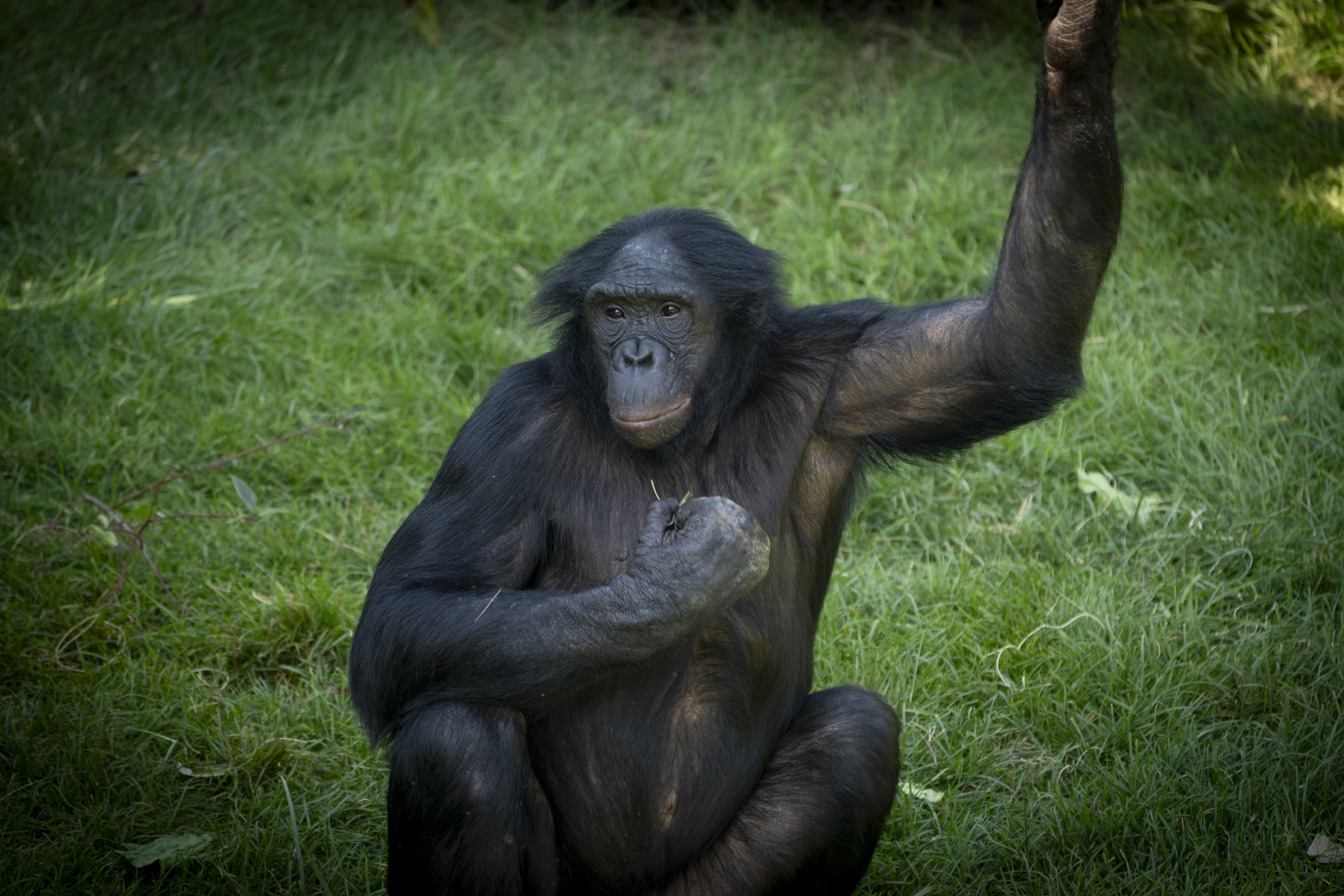
Twenty-five years after his mother's plane unexpectedly landed in Newfoundland, Gander remains part of the bonobo family at the Columbus Zoo.
Born in December 2003, he has grown from Unga's first baby into an adult male and a father himself. Gander is the sire of young bonobos named Bob and Winstel.
That means a story that began before Gander was even born now stretches across generations.
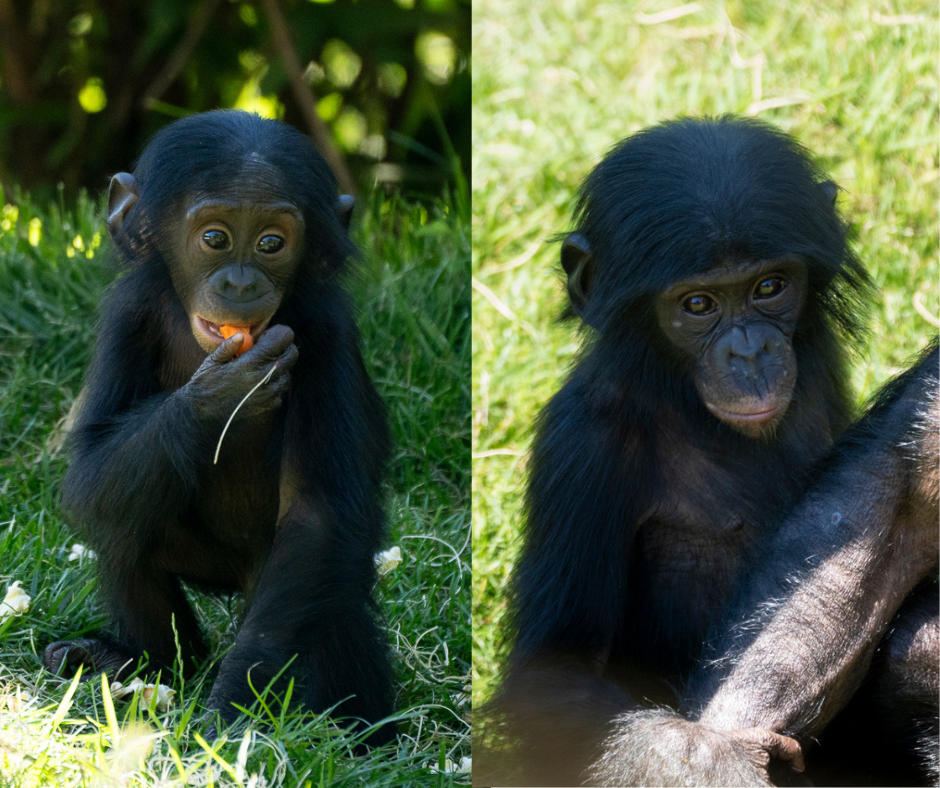
Guests visiting the Columbus Zoo today may see Gander without knowing the history carried in his name. His story reaches across the Atlantic, from Belgium to Newfoundland to Ohio, and connects an endangered great ape to an extraordinary act of human compassion during one of the darkest days in American history.
Gander is also part of a much larger story about his species.
Bonobos are native to the forests of the Democratic Republic of the Congo. They live in complex social groups that can change throughout the day, separating into smaller groups and coming back together in what scientists call a fission-fusion society. The Columbus Zoo has cared for bonobos for decades, and Gander remains among the bonobos guests may see today.
For Gander, that continued care also carries a conservation significance. He and Faith, Bob's mother, have paternal lineages that are distantly linked to wild bonobos, making them genetically valuable within the population of bonobos living in zoos. Their offspring contributes to the genetic diversity of that population.
Learn more about bonobos Meet the bonobos at the Columbus Zoo
25 Years Later, a Lasting Connection
September 11, 2001, will forever be remembered for the thousands of lives lost, the families forever changed, and the first responders and others who helped during unimaginable circumstances.
It is also a day whose history includes thousands of individual stories.
One of them unfolded on an island in the North Atlantic, where airplanes began appearing in the sky, and a community suddenly found thousands of strangers at its doorstep.
The people of Gander could not change what had happened that morning. They could not take away the fear of passengers waiting for news from home or tell them when they would see their families again. They could not know how long the planes would remain grounded.
What they could do was help, and that’s what they did. They fed people, found places for them to sleep, offered clothing, transportation, and a welcoming face, and made sure the animals stranded aboard those planes were cared for, too.
Five days later, the airplanes left. Unga continued on to the Columbus Zoo, where she would spend nearly 20 years, raise a family of her own, and become an important part of the Zoo’s bonobo family.
The connection with Gander, Newfoundland, continued long after Unga arrived in Columbus. Over the years, people in the Gander community continue to follow Unga and her family, checking in with the Zoo around anniversaries of September 11 to hear how Unga and Gander were doing.
Gander’s name remains a reminder of the difference a community can make when people come together, even during the most difficult times. Today, his name continues to honor the compassion shown to his mother and a connection between the communities of Gander, Newfoundland, and Columbus that has endured for 25 years.