From freshwater mussels and rare beetles to native wildflowers and restored prairies, discover how the Columbus Zoo and The Wilds are helping protect Ohio's natural heritage.
When you think of Ohio wildlife, what comes to mind? White-tailed deer? Cardinals?
How about a giant salamander that breathes through its skin? A rare beetle that helps recycle nutrients back into the soil? Or freshwater mussels that clean our water?
Ohio is full of wildlife surprises, and some of its most fascinating species are living right beneath our feet, swimming through our waterways, or soaring over our grasslands. Through conservation science, habitat restoration, and partnerships across the state, the Columbus Zoo and The Wilds are helping protect the wildlife and natural places that make Ohio extraordinary.
And some of that work might surprise you.
Freshwater Mussels: Ohio's Underwater Overachievers
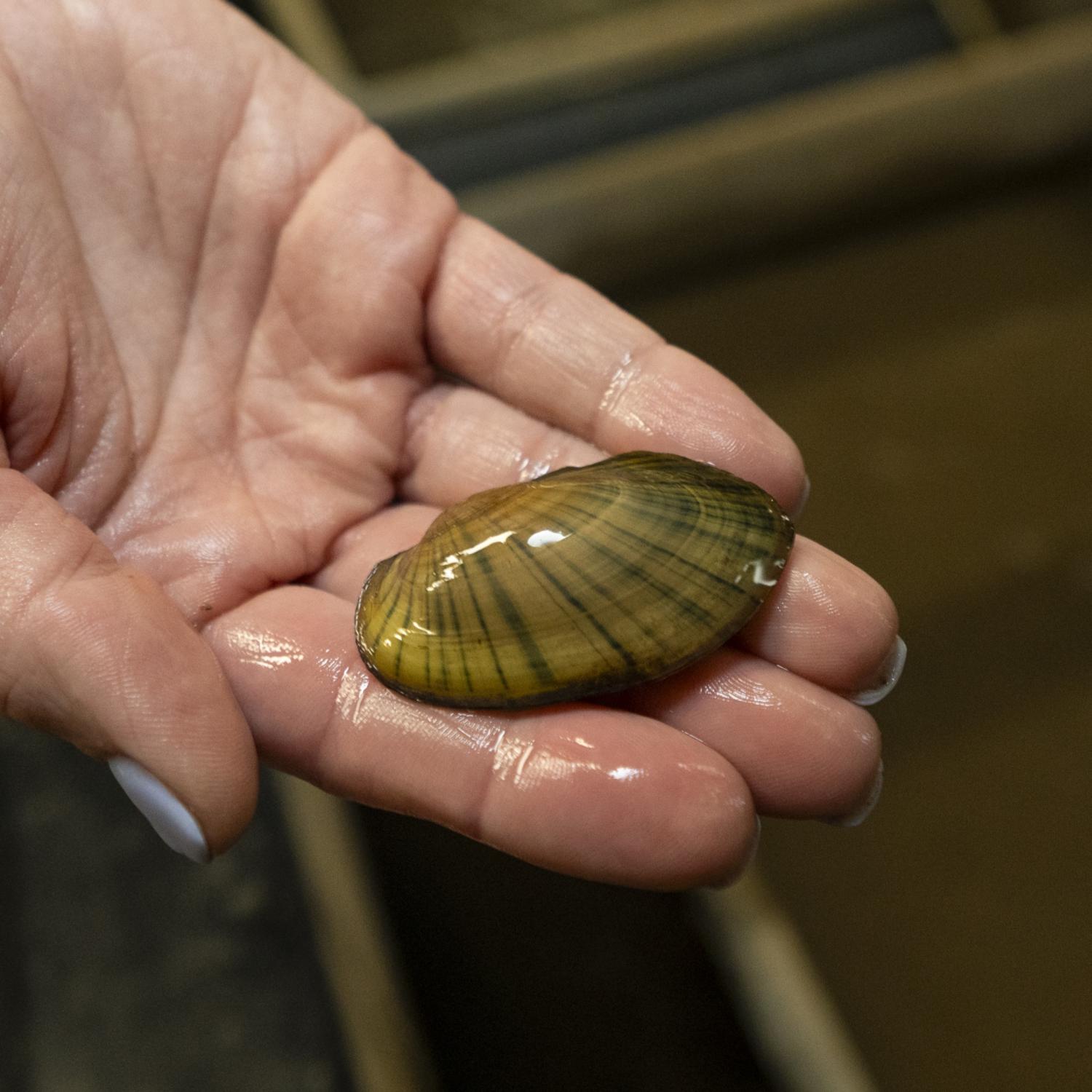
They don't have fur, feathers, or particularly expressive faces, and most people will never look for them. But freshwater mussels are among the hardest-working animals in Ohio's waterways. They’re also the most imperiled group of wildlife in the state, with 16 species already gone from Ohio, and 28 more listed as threatened or endangered.
Ohio is home to more than 80 kinds of freshwater mussels, which spend much of their lives nestled into riverbeds and stream bottoms. As they feed, they filter algae, bacteria, and other particles from the water, helping support healthier aquatic ecosystems.
And their life cycle is anything but ordinary.
Freshwater mussel larvae, called glochidia, temporarily attach to the gills or fins of fish, where they develop before dropping off to begin life as juvenile mussels. Some species even use part of their bodies to imitate a small fish or worm, attracting the very fish their larvae need to survive. It's a remarkable relationship between species, and one reason protecting entire freshwater ecosystems matters. Unfortunately, habitat changes, pollution, and other environmental pressures have contributed to freshwater mussel declines. Several species are considered endangered at the state or federal level.
Conservation Science in the Scioto River
Just across the Scioto River from the Columbus Zoo sits the Watters Aquatic Conservation Center, where scientists are helping give these important animals a stronger future. The facility brings together the Columbus Zoo and Aquarium, The Ohio State University, the Ohio Division of Wildlife, and Columbus Recreation and Parks Department to study and conserve freshwater mussels and other aquatic organisms. Its work includes assessing mussel health, studying reproduction and host-fish relationships, propagating mussels for potential reintroduction, and providing temporary refuge for animals affected by environmental emergencies.
One particularly fascinating technique is in vitro propagation. Normally, freshwater mussel larvae must attach to a host fish to develop. At the Watters Aquatic Conservation Center, researchers can provide the nutrients and conditions larvae need without a fish host. The facility is among only a few in the country using this specialized approach, which has the potential to produce and raise thousands of mussels for conservation. The center has also participated in recovery efforts involving the relocation of thousands of endangered Northern Riffleshell and Clubshell mussels into Big Darby Creek. It's important conservation work happening right here in Central Ohio, helping protect the waterways that wildlife and people share.
And there's a way for our guests to discover it, too!
- At the Ohio Center for Wildlife Conservation (OCWC), within the Zoo's North America Trek region, guests can explore the science and partnerships behind efforts to protect freshwater mussels and other native species.
- Even water park Zoombezi Bay, located next door to the Zoo, has joined the celebration! Mussel Mayhem, part of Conservation Tower, takes inspiration from these remarkable freshwater animals, although the waterslide moves considerably faster than its namesake.
Hellbenders: Helping Ohio's Giant Salamanders Make a Comeback
Imagine lifting a rock in a clean, fast-moving Ohio stream and discovering a salamander that can grow to more than two feet long. Meet the eastern hellbender, North America's largest salamander.
With flattened bodies, wrinkled skin, and a preference for cool, oxygen-rich water, hellbenders are remarkably adapted to life beneath the surface. They absorb oxygen through their skin and can live for decades in healthy aquatic habitats. But changes to streams, declining water quality, and habitat degradation have contributed to population losses. That's where conservation partnerships come in.
The Columbus Zoo and The Wilds work alongside conservation partners in Ohio to raise young hellbenders during their most vulnerable stages of life, giving them an opportunity to grow before being released into native waterways. In 2025, teams at the Zoo and The Wilds helped release 116 hellbenders into waterways in Ohio and West Virginia, continuing years of collaborative conservation efforts.
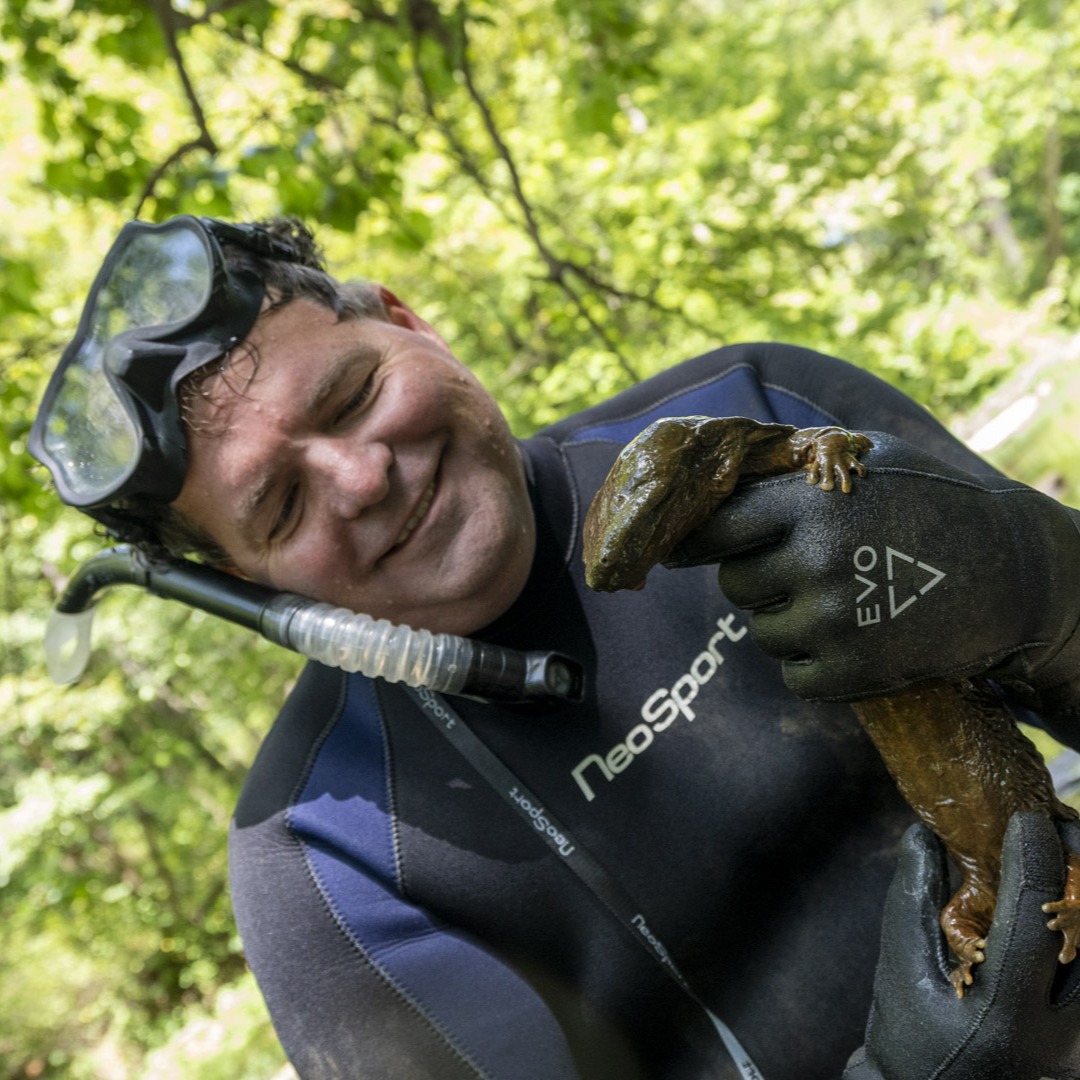
At the Zoo's Ohio Center for Wildlife Conservation and at The Wilds, guests can learn about these unusual amphibians and the challenges facing their wild populations.
Hellbenders also offer an important reminder: protecting wildlife often begins with protecting the water, land, and habitats that sustain it.
Learn more about the Ohio Center for Wildlife Conservation Read about a recent hellbender win for the Ohio Division of Wildlife
American Burying Beetles: Bringing a Missing Species Back to Ohio
What does it take to bring an animal back to a state where it disappeared decades ago? At The Wilds, the answer involves a remarkable insect, specialized conservation breeding, and a lot of collaboration. The American burying beetle once lived across much of North America, including Ohio. But populations declined dramatically, and the species disappeared from much of its former range. These striking black-and-orange beetles have an important ecological job. By burying small deceased animals, they help recycle nutrients back into the soil and support the natural processes that keep ecosystems functioning.
Today, The Wilds is helping return American burying beetles to suitable habitats through conservation breeding and reintroduction efforts. In 2025 alone, The Wilds and the Cincinnati Zoo and Botanical Garden released 1,104 American burying beetles! That's 1,104 opportunities to help restore a species that once played an important role in Ohio's ecosystems.
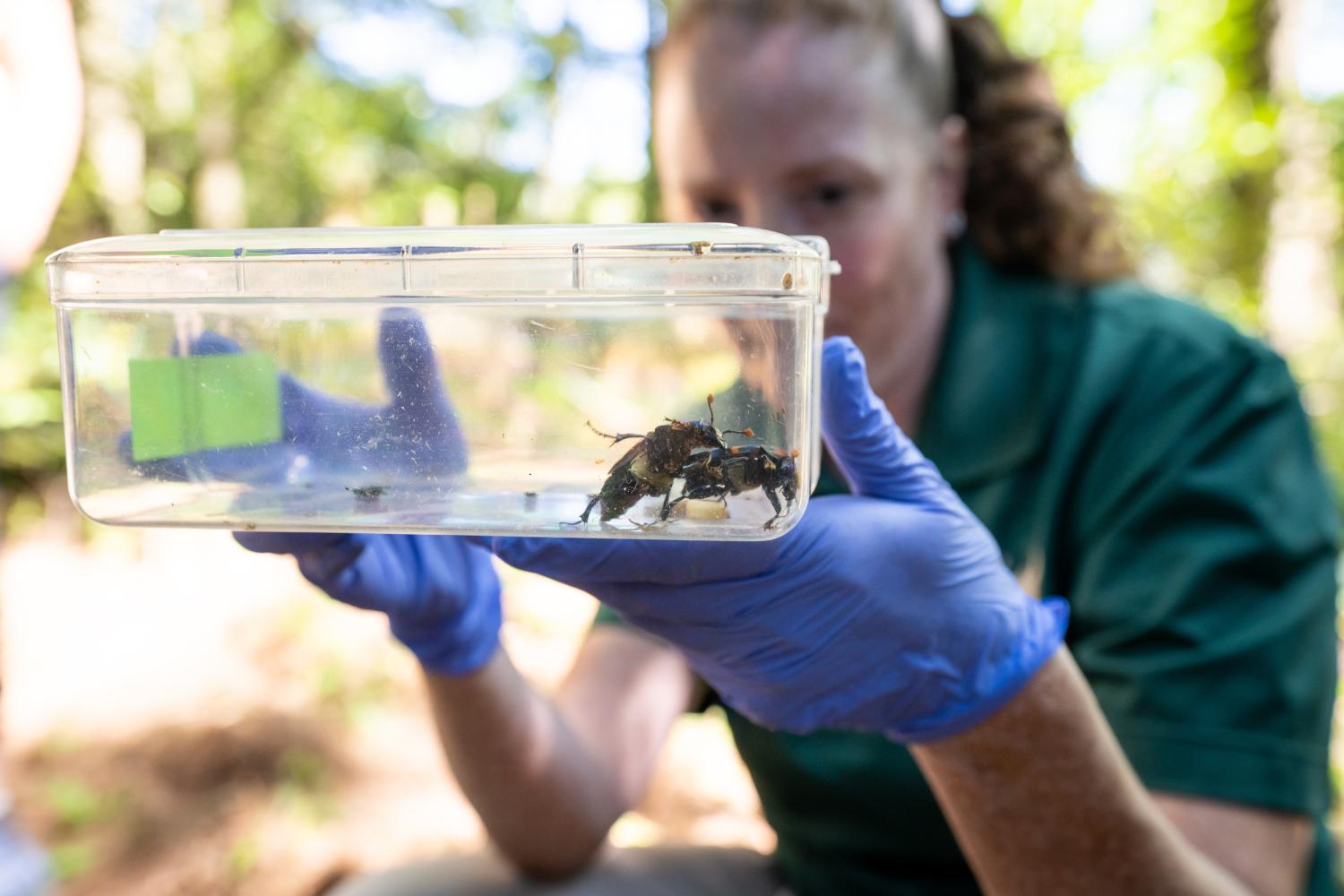
The work is a powerful example of what can happen when scientific expertise, dedicated animal care, and conservation partnerships come together around a shared goal. And the American burying beetle is one of several native species benefiting from conservation efforts across The Wilds' nearly 10,000 acres.
For the Birds: Protecting Ohio's Native Wildlife on the Wing
The grasslands and forests of southeastern Ohio are home to an incredible diversity of birds, including species that depend on healthy native habitats for nesting, feeding, and raising their young. At The Wilds, protecting these birds is an important part of the conservation mission.
Recognized by the National Audubon Society as an Important Bird Area, The Wilds provides habitat for numerous native species, including American kestrels, eastern bluebirds, tree swallows, house wrens, and barn owls. Conservation teams monitor nesting activity and maintain nest boxes that provide breeding opportunities while helping researchers learn more about bird populations.
Learn More about Birds at The Wilds
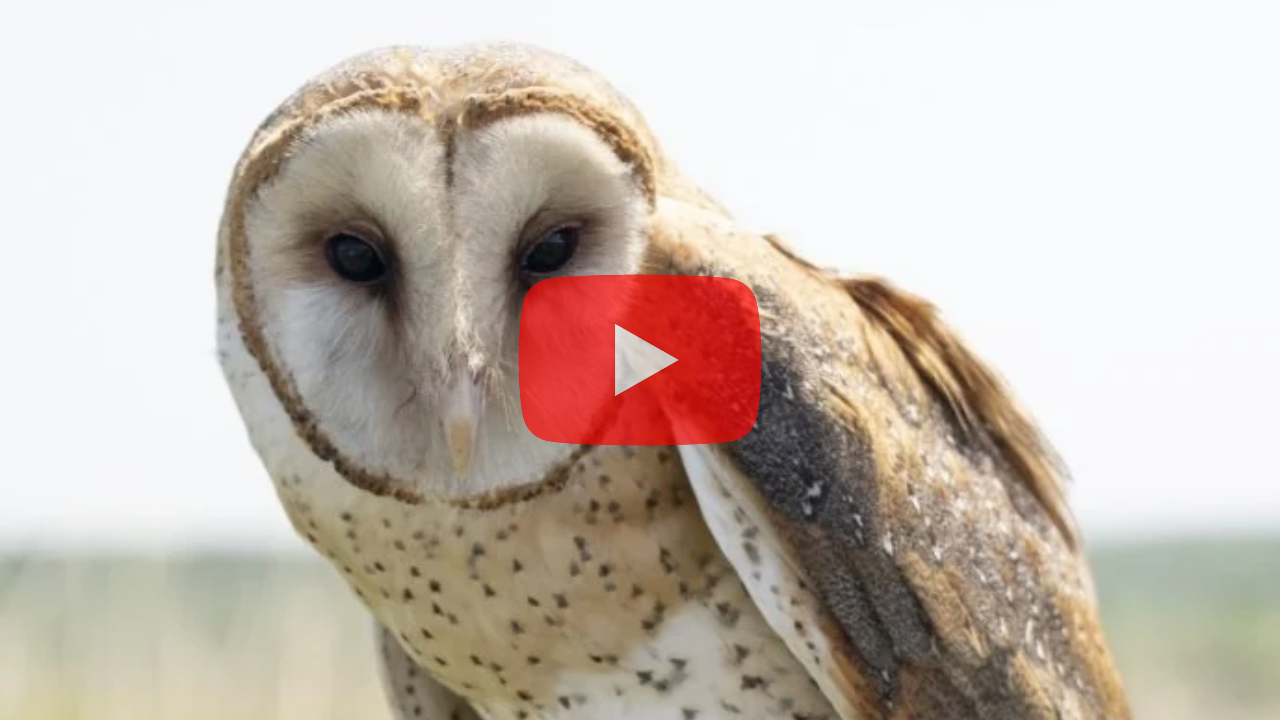
One especially fascinating effort involves barn owls. Since 2015, The Wilds has participated in a barn owl banding project that helps researchers monitor these remarkable birds. By placing identification bands on young owls, scientists can gather information that contributes to a better understanding of their populations.These birds are also connected to a much larger conservation story. Healthy grasslands and other native habitats provide the resources that birds need to survive and reproduce. And at The Wilds, restoring those habitats is an ongoing effort.
Wildflowers With a Purpose: Helping Ohio's Native Habitats Bloom
A field of wildflowers might look like nature showing off. But beneath those colorful blooms, something much bigger is happening.
Native wildflowers and grasses provide food, shelter, and breeding habitat for an extraordinary variety of wildlife. Their roots help stabilize soil, while their flowers provide nectar and pollen for bees, butterflies, and other pollinators. Protecting these habitats has become an important part of our conservation and sustainability efforts.
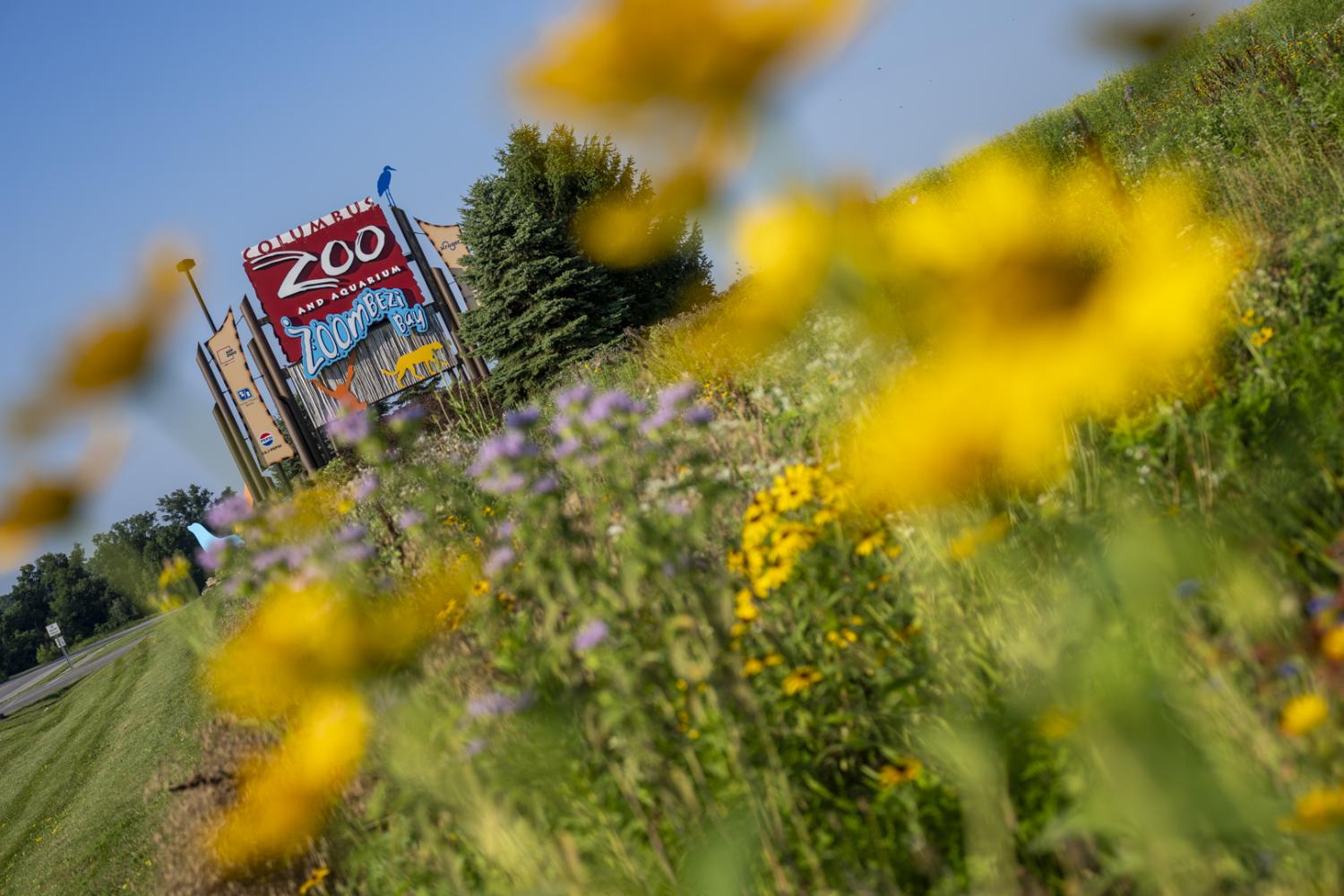
- Since 2021, the Zoo has worked with partners, including the Bee & Butterfly Habitat Fund and the U.S. Fish and Wildlife Service, to establish pollinator habitats across the Zoo, Zoombezi Bay, and Safari Golf Club. Together, these areas encompass more than 11 acres and feature over 40 varieties of native and regional grasses and wildflowers, including milkweed, coneflowers, black-eyed Susans, goldenrod, and asters. Different plants bloom throughout the growing season, helping provide resources for pollinators over time.
- At The Wilds, native wildflowers and grasses are part of an even larger habitat restoration story. Since 2004, The Wilds has created more than 700 acres of native prairie on land once shaped by surface coal mining. These habitats support pollinators, native birds, and other wildlife while providing opportunities for ecological research. The Wilds' Ecology team uses native plant restoration, invasive species management, mowing, and prescribed burns to help maintain these habitats. Researchers are also studying how deep-rooted prairie plants may improve soil conditions on former mining land.
From pollinator habitats at the Zoo to expansive prairies at The Wilds, these efforts show how protecting native plants can help sustain entire communities of wildlife.
Ohio's Wild Future Starts Here
There's plenty to celebrate about Ohio, from its communities and cultural traditions to the natural landscapes that make each region unique. But this Ohio Day, we hope you'll also celebrate the wildlife that makes our state extraordinary.
The freshwater mussels quietly filtering our rivers. The hellbenders sheltering beneath stream rocks. The American burying beetles returning to the landscape. The barn owls nesting above our grasslands. And the native wildflowers helping support pollinators and other wildlife. These species and ecosystems are part of Ohio's natural heritage, and their future depends on the choices we make today.
Here's to Ohio's wild side, and the next century of conservation.