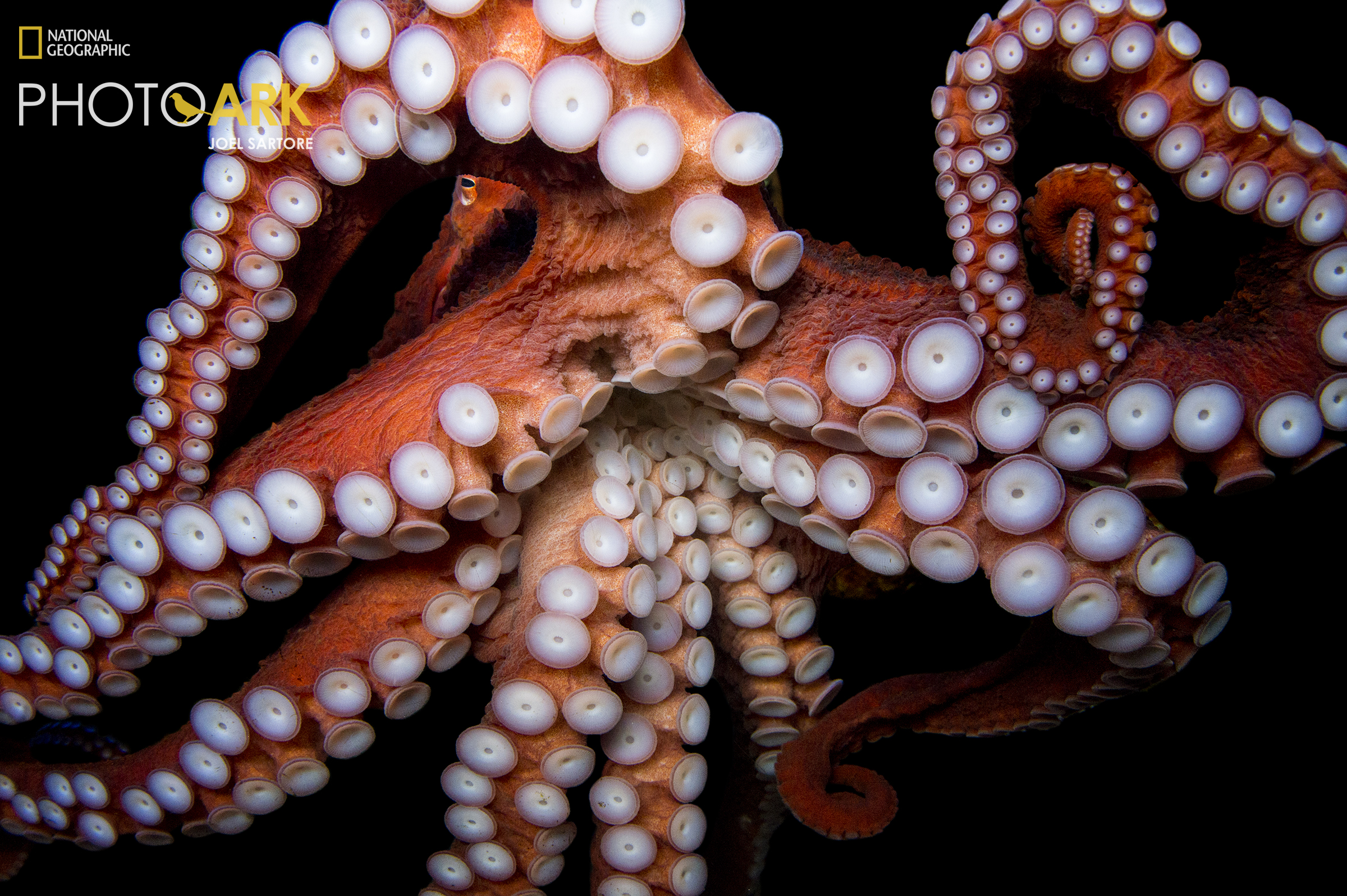
A photograph can freeze a fraction of a second. In the hands of National Geographic Explorer and photographer Joel Sartore, it can also become a powerful call to protect wildlife.
For 20 years, Sartore has been building the National Geographic Photo Ark, an ambitious effort to document the incredible diversity of wildlife living in professional care around the world. His goal is to create a photographic record of at least 25,000 species while inspiring people to care about their future and take action to protect them.
In 2026, the Photo Ark reached an extraordinary milestone: 18,000 species photographed and counting.
Some of those animals have called the Columbus Zoo and Aquarium home.
Building an Ark, One Photograph at a Time
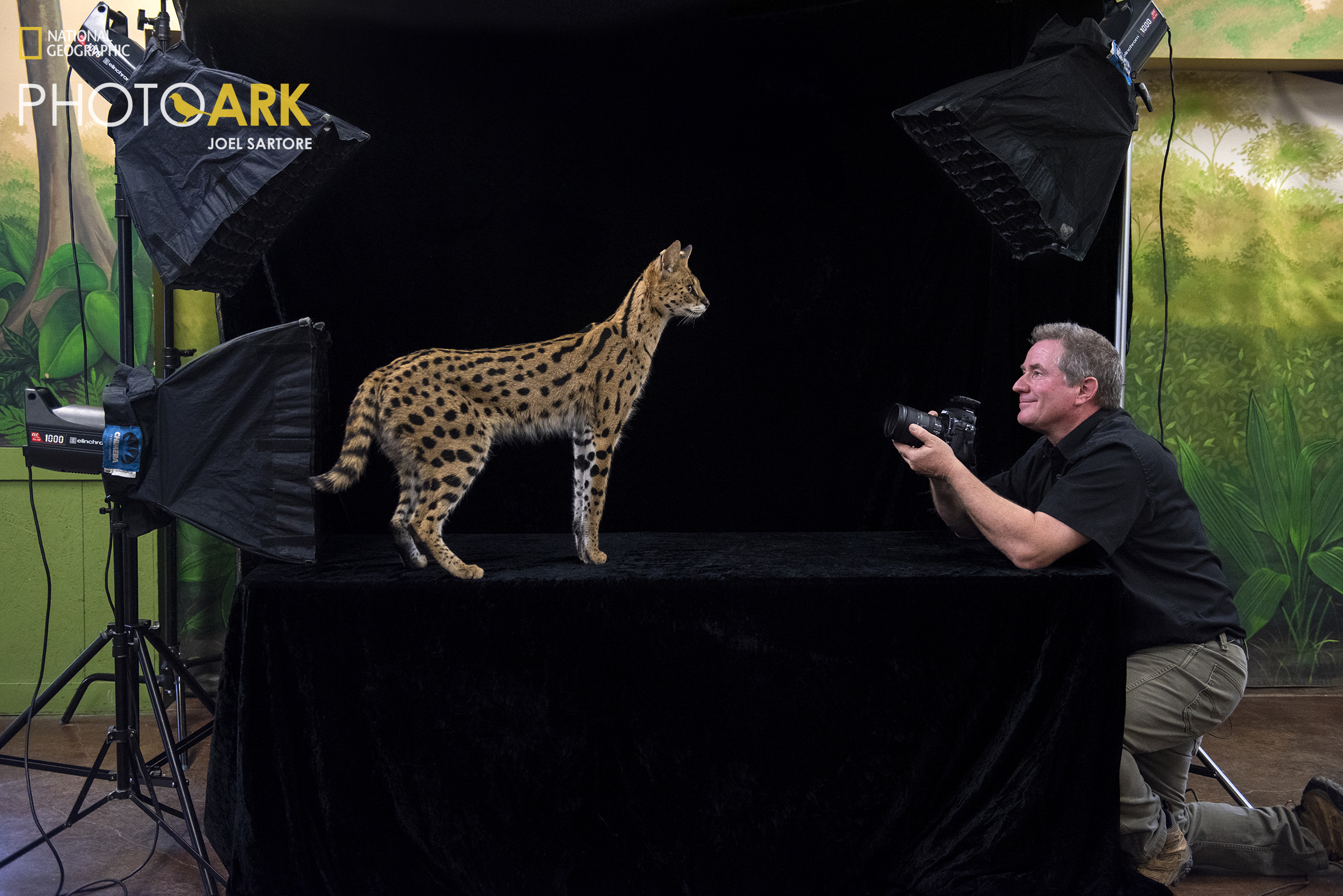
Sartore began the Photo Ark in 2006 with a photograph of a naked mole rat at the Lincoln Children’s Zoo in Nebraska. What began close to home has grown into a worldwide conservation effort spanning zoos, aquariums, wildlife sanctuaries, rehabilitation centers, and other organizations working to care for and protect wildlife.
The concept behind Sartore’s portraits is intentionally simple. Animals are photographed against clean black or white backgrounds, removing nearly everything except the individual animal itself. A tiny insect can command the frame with the same presence as an elephant. An amphibian, fish, bird, reptile, or mammal receives their own moment in front of the camera.
The result is an extraordinary visual record of biodiversity and a reminder of the importance of every species.
“Wildlife conservation depends on people understanding what we stand to protect, and photography has an incredible ability to make that connection. A powerful image can introduce someone to a species they have never seen or even heard of and inspire them to learn more about the challenges it faces," said Adam Felts, SVP of Animal Care and Conservation Medicine at the Columbus Zoo. "That connection can turn curiosity into caring and caring into action. Photography gives us a way to share the beauty and diversity of wildlife with people everywhere and remind them that we all have a role in protecting it.”
That connection is central to the work of modern zoos and aquariums. By bringing people closer to wildlife, supporting carefully managed populations, contributing to scientific research, and investing in conservation efforts around the world, zoological organizations can help create a future for species facing growing challenges in their native ranges.
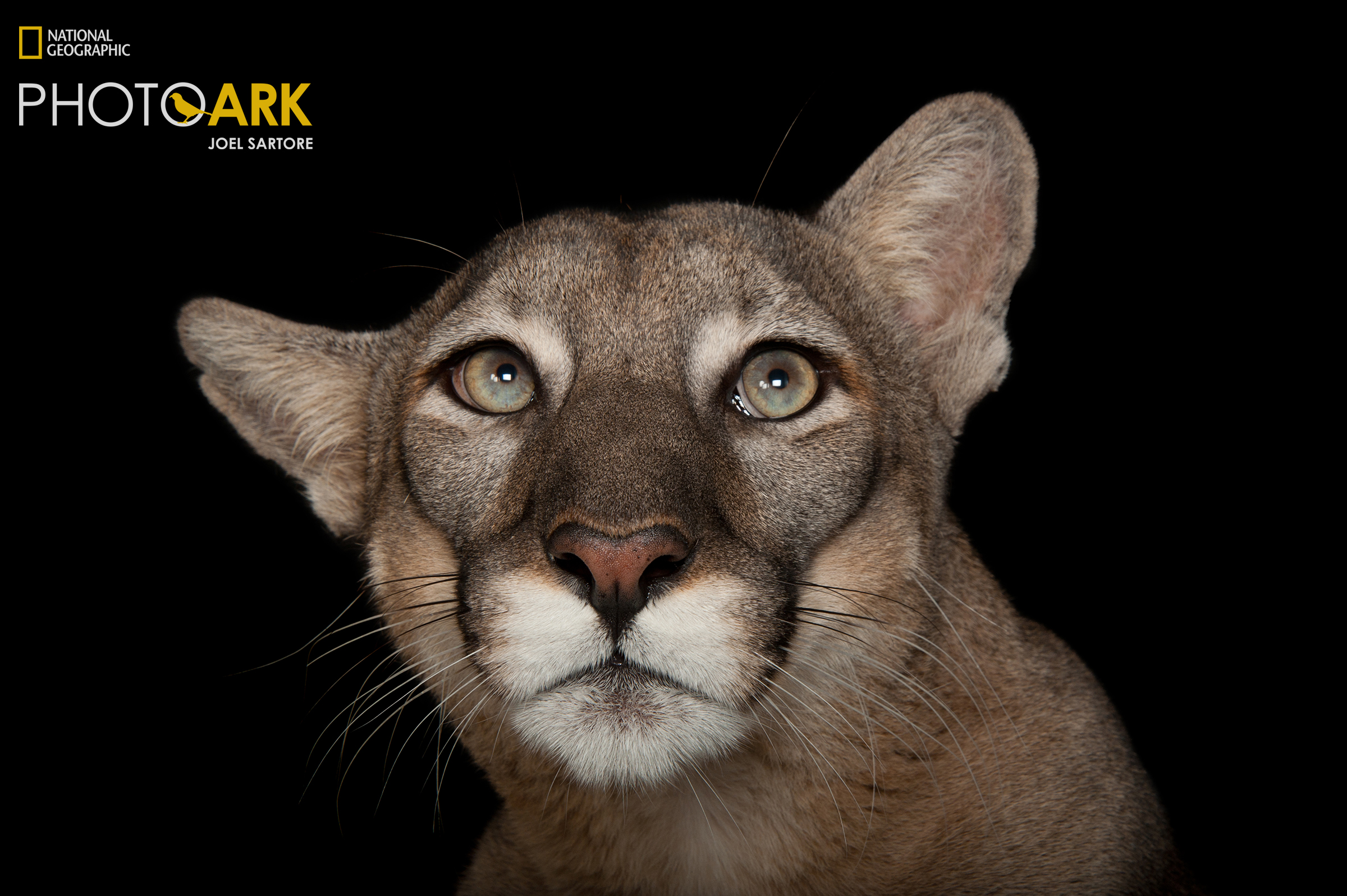
Zoos Help Make the Photo Ark Possible
The Photo Ark and zoological community are closely connected.
Sartore's mission depends heavily on the animals and expertise found within zoos, aquariums, and wildlife organizations. These institutions give him opportunities to photograph species that many people may never encounter otherwise, including animals whose populations are declining in their native ranges.
In turn, his photography helps introduce those species to millions of people.
The partnership creates a powerful conservation cycle: people see wildlife, learn about it, form connections, and discover ways they can help. Sartore has also been a vocal advocate for zoological institutions and encourages people who connect with the Photo Ark to support their local zoos and other organizations working to protect wildlife.
For the Columbus Zoo, that philosophy feels familiar. Inspiring people to care about wildlife is an important part of our mission, Empowering People. Saving Wildlife.
When Photography Becomes Conservation
Wildlife photography can do something scientific data alone sometimes cannot: introduce us. A population statistic tells us that a species is disappearing. A photograph gives us a face to remember.
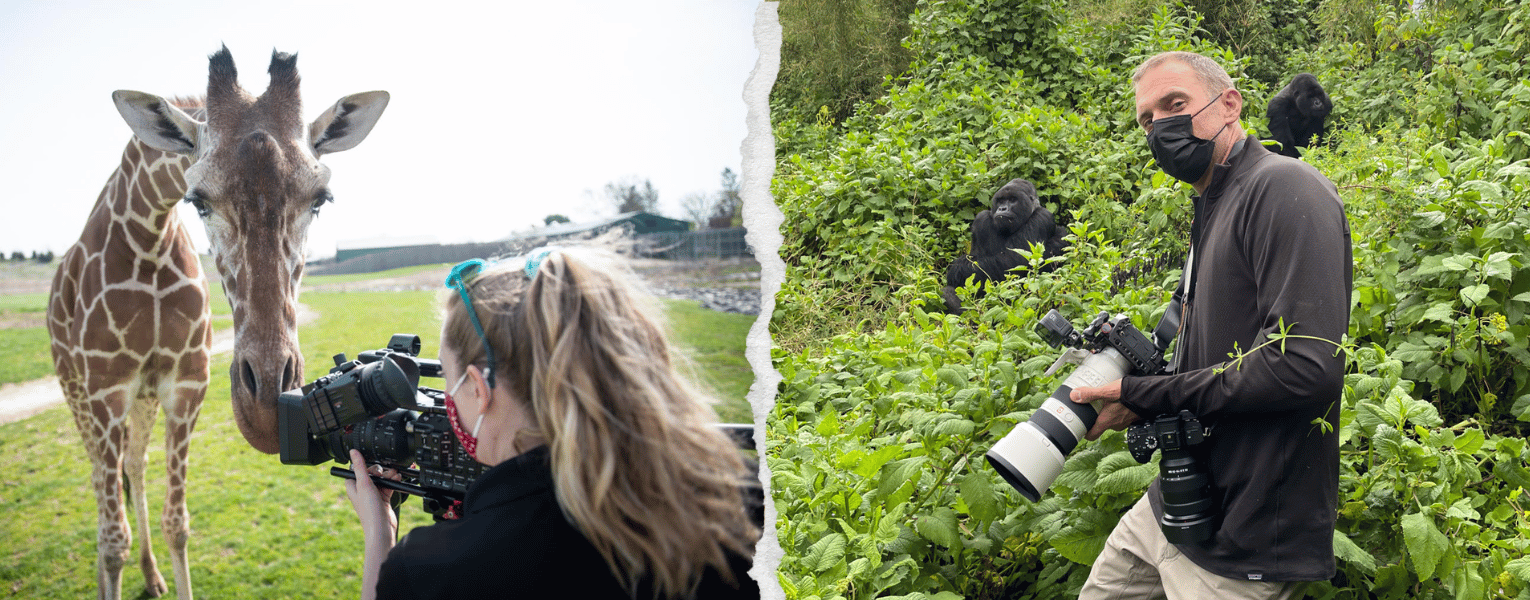
For the photographers at the Columbus Zoo, documenting wildlife and sharing their stories comes with that same opportunity. Their images help millions of people see animals differently, whether someone is standing feet away from an animal at the Zoo or encountering that species for the first time through a photograph.
"Wildlife photography gives people a chance to slow down and truly see an animal. To notice the details in their eyes, the personality in their movements, and the individuality in their features. Whether it’s a silly moment, an action shot, or a striking portrait, I hope my images create a sense of empathy, awe, and wonder, and leave people wanting to see more, learn more, and do more. By allowing the viewer to peek into the lives of both the animals in our care and the people working to protect them, photography can make conservation feel tangible. My hope is that when someone sees an image, they don’t just see a species—they see an individual, and feel inspired to care about what happens to them and their wild counterparts." - Amanda C., Media Productions Specialist and Photographer for the Columbus Zoo and The Wilds.
There is also patience behind those images. Wildlife does not take direction from the photographer. The moment comes when it comes.
"It’s always my hope that people have a connection with my imagery that evokes a desire to learn more – more about the species, more about their conservation status and sometimes, more about that individual. I want it to be more than a pretty picture. I think that’s why Joel’s work is so impactful. It’s so personal and done in a way that you can’t help but notice the nuances that make each species so unique." - Grahm J., Media Productions Coordinator and Photographer for the Columbus Zoo and The Wilds.
That ability to make someone stop is where photography becomes especially powerful.
A person may never see a critically endangered species in their native range. They may have never heard the species’ name. But one extraordinary image can spark curiosity.
Curiosity can lead to understanding.
Understanding can lead to caring.
And caring can lead to action.
18,000 Species and Counting
Twenty years after Sartore began the Photo Ark, there is still much work ahead.
Each new portrait adds another species to an extraordinary visual record of life on Earth. Some are instantly recognizable. Others are tiny, unusual, overlooked, or virtually unknown outside the scientific and zoological communities. Within the Photo Ark, each one matters.
That may ultimately be one of the project's most impactful messages. Protecting wildlife begins with recognizing what we stand to lose and understanding that every species has a place within the ecosystems we all share.
Through 18,000 portraits and counting, Joel Sartore is giving the world an opportunity to look.
What we do after we look is up to us.