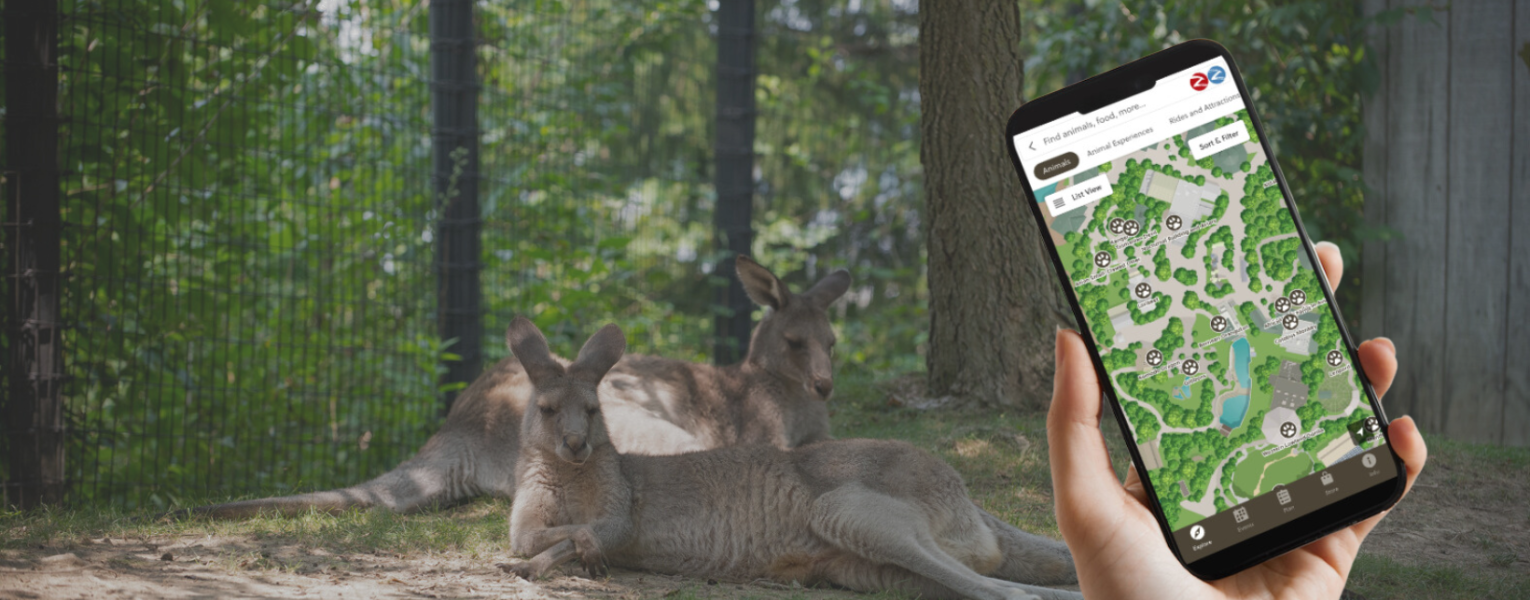

Become a Zoo Member!
Unlimited visits all year long, free parking, and more.


Today's Hours: Zoo Hours: 10am - 6pm. Lantern Festival Hours: 7:30pm - 10:30pm.
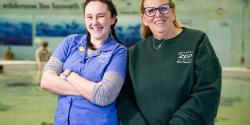
Included with admission to the Columbus Zoo, guests have the unique opportunity to learn from the zookeepers themselves as they present fun, informative sessions about the species they care for daily. With Keeper Talks, guests get the inside scoop on animals straight from the people who know them best...Our Animal Care teams!
Keeper Talks are presented by 
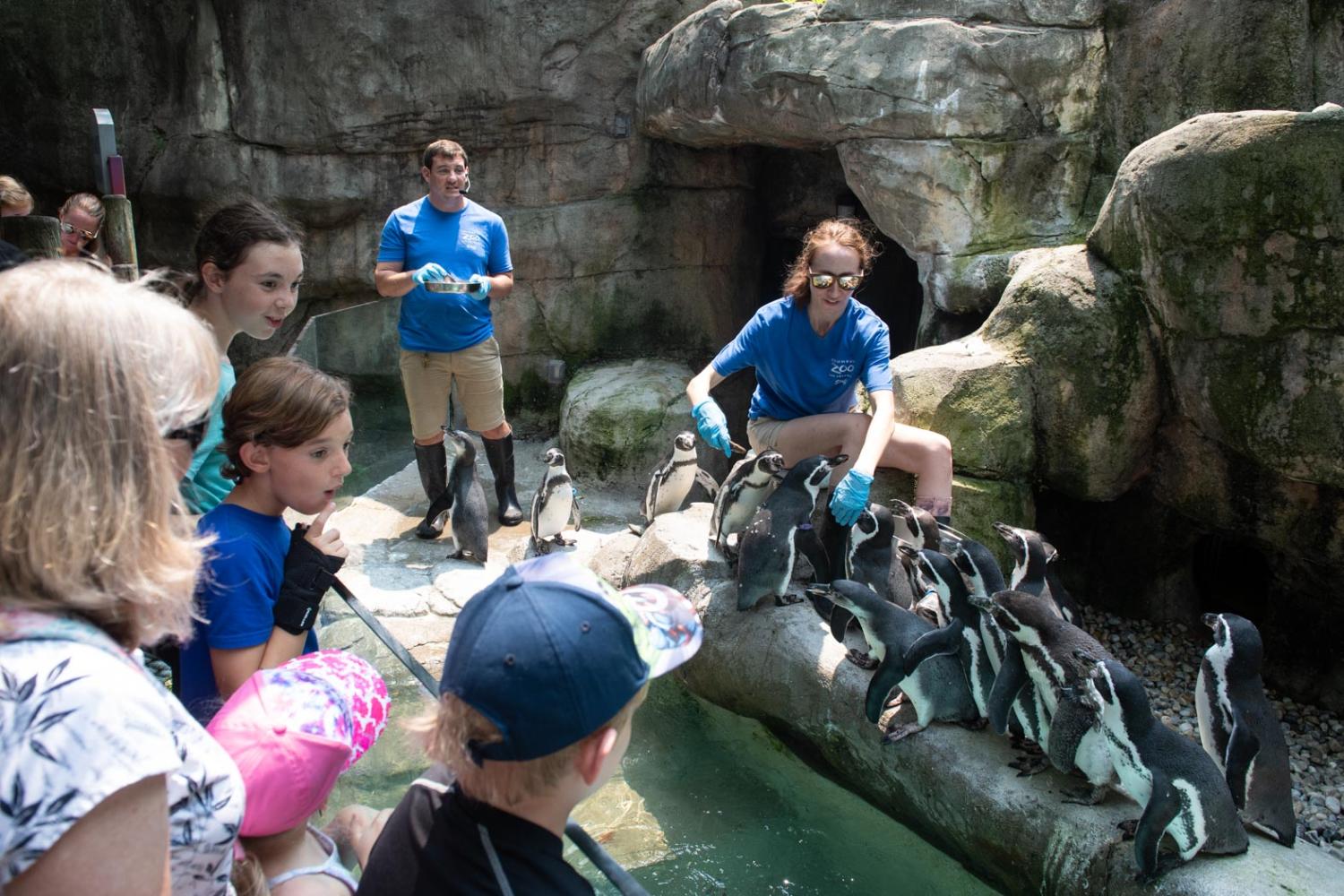
Join our Animal Care team throughout the day at their respective habitats and learn more about:
Zoo guests can attend one or all! They're timed so you can easily attend each talk and then head to the next one.
| MAY 1 - AUG 16 | Daily |
| AUG 17 - OCT 25 (including Labor Day, Sept. 7) | Weekends Only |
| OCT 26 - DEC 31 | Closed for the Season |
| TIME | SPECIES | ZOO REGION |
| 9:15 a.m. | Harbor Seals and California Sea Lions | Adventure Cove |
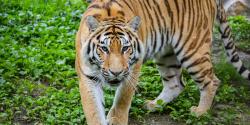
| 9:45 a.m. | Amur Tigers or Pallas' Cats | Asia Quest |
| 10:30 a.m. | African Lions | Heart of Africa |
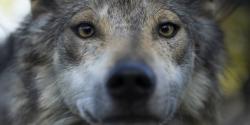
| 11:15 a.m. | River Otters, Mexican Wolves, or Songbirds | North America Trek |
| 1 p.m. | Koalas | Australia & the Islands |
| 1:30 p.m. | Orangutans | Australia & the Islands |
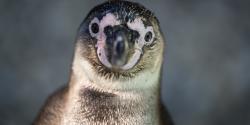
| 2:15 p.m. | Humboldt Penguins or Aldabra Tortoises | Shores and Aquarium |
Feel empowered to make a different for wildlife! Expand your knowledge, adopt small lifestyle changes, and become a mindful consumer. Utilize these resources to guide you on your journey towards conservation and sustainability.
Opt for sustainably sourced seafood to help prevent overfishing, protect biodiversity, and ensure the long-term health of our oceans.
Many of the fish we enjoy are in trouble due to destructive fishing and farming practices. This guide provides more in-depth information about how and where to find sustainable sources of some of the most popular seafood items served in the U.S. Utilize the Seafood Watch resource guides from the Monterey Bay Aquarium to easily help you make responsible seafood choices when at restaurants or the grocery store.
Learn more about how our animal wellbeing program works and how you can see it in action!
When you visit the Columbus Zoo and Aquarium, you are supporting an organization dedicated to meeting—and advancing—the highest standards of care to assure that we are providing top quality health and wellbeing for the animals in our care. This includes everything from species-appropriate habitats, diet, enrichment, and social interactions. Our goal is for animals to thrive in their environment, and we achieve this by proactively evaluating all aspects of their wellbeing and making enhancements to their care, if necessary. Learn more about this evolving process and our commitment to the animals in our care.
Keep our waterways clean to support local wildlife.
River otters are playful, intelligent animals, and are important indicators of clean, healthy waterways. At the Columbus Zoo, our Animal Care team supports their health through enriching water-focused habitats that encourage natural behaviors like diving, exploring, and foraging. Your everyday choices help protect wildlife that depends on clean water. Share what you’ve learned today and help others understand how simple actions, like reducing runoff and keeping trash out of storm drains, support otters and the ecosystems we all share.
Share the message about the Mexican wolf recovery program.
Mexican wolves are the most endangered subspecies of gray wolf in North America—but thanks to collaborative, science‑based recovery efforts, they are making a steady comeback. The Columbus Zoo contributes to the Mexican Wolf Recovery Program which partners with organizations around the country to breed, care for, and release Mexican wolves to their native ranges. Our Animal Care team provides habitats, enrichment, and social opportunities that support each wolf’s wellbeing and natural behaviors. Every pup born and every wolf released represents years of dedication from partners working together to restore this species. By visiting the Columbus Zoo, you’re helping protect the future of Mexican wolves. Share what you’ve learned today—your voice helps inspire others to join the recovery effort and support this species’ return to its native landscapes.
Create bird-friendly habitat in your backyard to support songbirds and other local wildlife.
Some injured songbirds cannot return to the wild, and the Columbus Zoo provides a safe home where these non‑releasable birds can thrive. Our Animal Care team supports their wellbeing through expert care, enrichment, and habitats tailored to each species’ needs.
You can help wild songbirds by planting native species in your own yard or community. Native plants supply essential food, shelter, and nesting spaces, supporting the insects and seeds that songbirds rely on throughout the year. Even small habitat improvements create meaningful benefits for birds across our local landscapes.
Become a community science and contribute to wildlife research.
Koalas face significant challenges in their native Australian habitats, where changing landscapes, climate impacts, and population shifts make it essential to understand where koalas live and how they’re doing. Community scientists play an important role in this work by helping researchers track wildlife in real time. You can help wildlife by getting involved in community science projects locally. Using tools like the iNaturalist app to record the animals and plants you see in your neighborhood contributes valuable data to conservation research.
Make informed purchasing decisions about everyday products that contain palm oil and learn more about sustainable practices.
In the ranges where orangutans live, the increased demand for palm oil contributes to the loss of millions of acres of their rainforest habitat annually. Palm oil is a crop used in many everyday foods and products such as cookies, crackers, toothpaste, and lotion. It is important to the economy and people in these areas, but this crop can be grown without cutting down the rainforest. You can support the companies who source sustainable palm oil by using resources from the Cheyenne Mountain Zoo and buying products that are rated “good” or “excellent”.