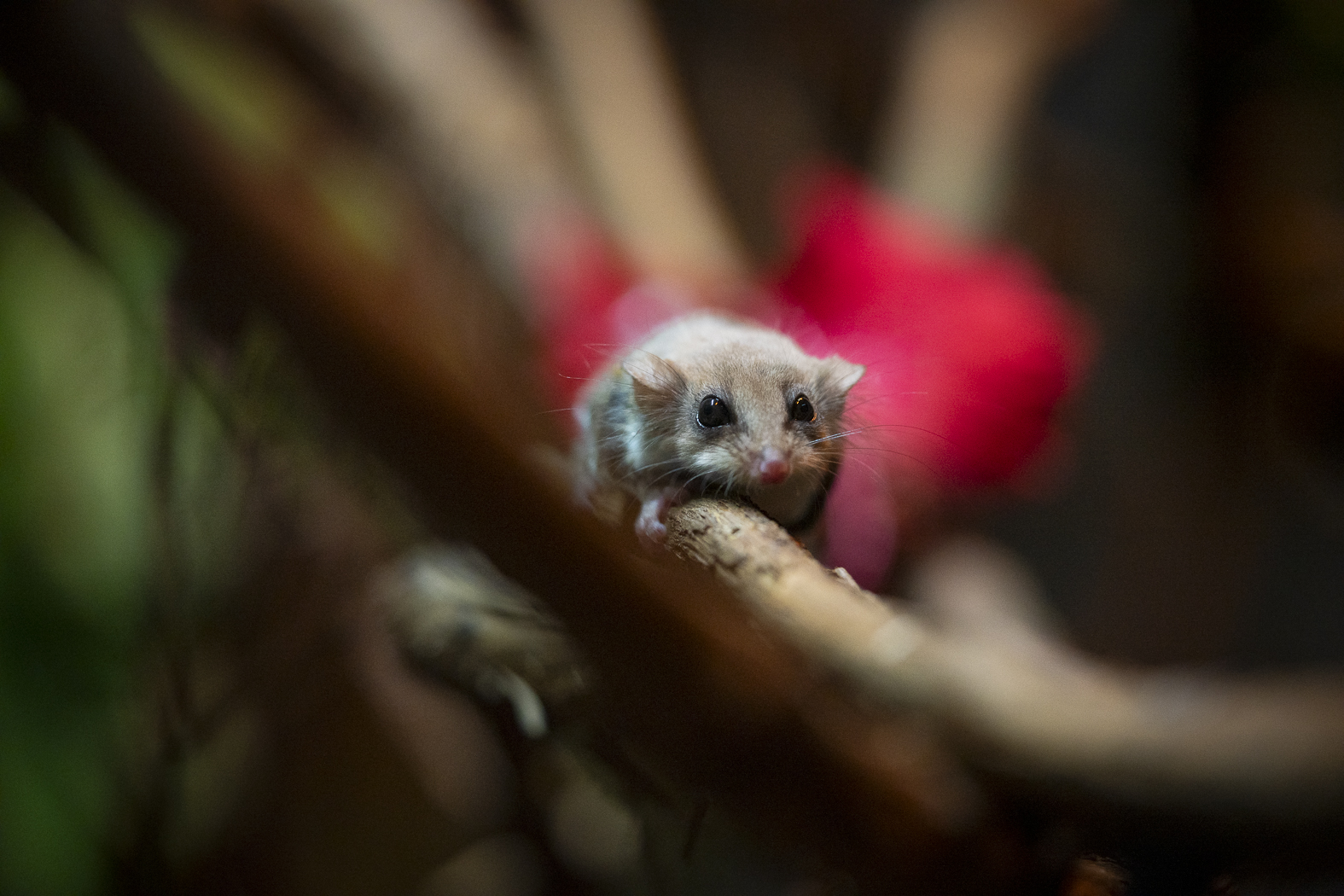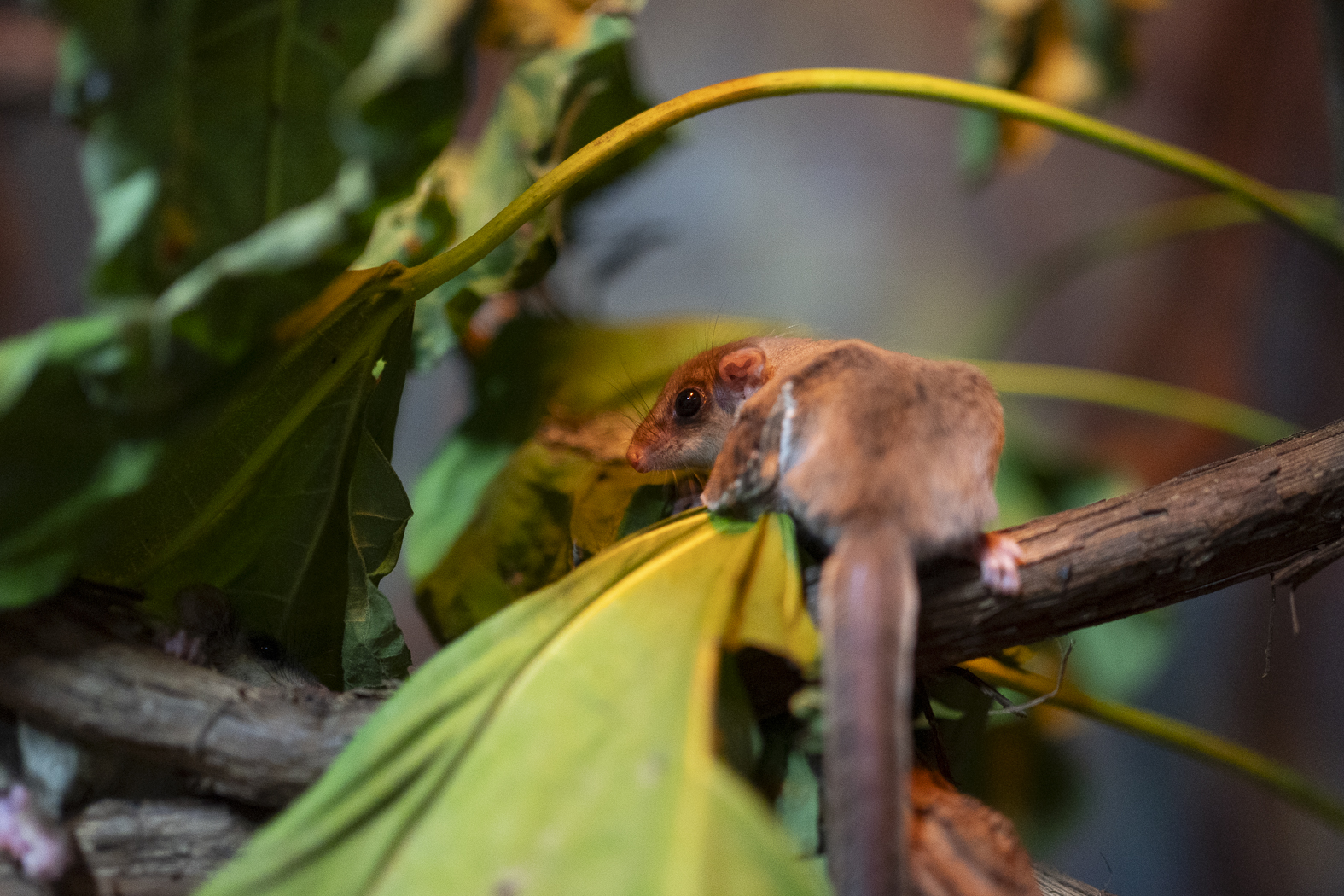
While feathertail gliders grow to be only 2 to 3 inches long, they can glide up to 90 feet between trees.

These tiny marsupials earned their name due to their flat tail that has stiff hairs on both sides to help them steer, while a flap of skin between their front and back legs acts like a parachute as they glide from branch to branch.

Located in the Australia & the Islands region


Scientific Name: Acrobates pygmaeus

Conservation Status: Least Concern

Size: 2 to 3 inches long

Weight: Approx. 13 grams

Median Life Expectancy: Not Calculated
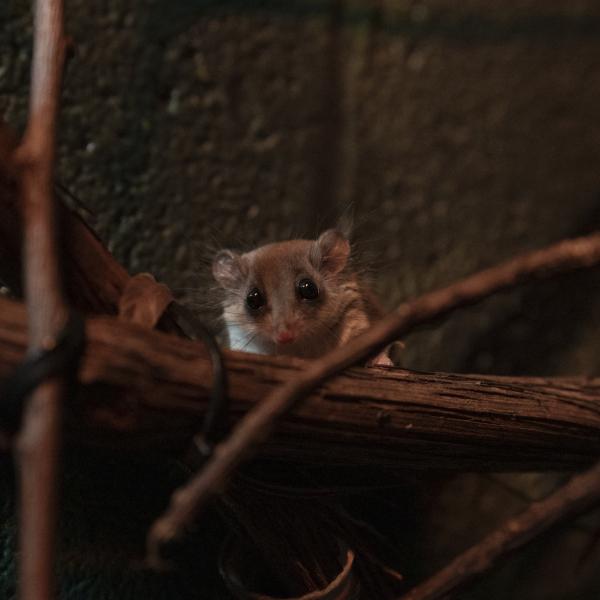
Feathertail glider
Nutrition

Feathertail gliders eat nectar and pollen from flowers. They also eat seeds and insects.

Current Range and Historic Range

This species is found across many parts of eastern and southeastern Australia.

Habitat

Feathertail gliders live in a variety of habitats, from forests with large trees to grasslands with dense bushes.

Predators and Threats

Primary predators include owls, kookaburras, monitor lizards, snakes, and sometimes small carnivorous marsupials.  They are also preyed upon by my invasive red foxes and domestic cats.

Habitat destruction of mature forests for logging and development threatens their habitats and populations.

Physical Characteristics and Adaptations

Flaps of skin between their front and back legs work like a parachute and let them glide from tree to tree. Their tail is shaped like a feather and acts like a rudder, helping them steer in the air. Feathertail gliders also have tiny ridges and hairs on their feet, plus sweat glands on their toes. These sweat glands work like suction cups, so they can climb well on smooth surfaces, even glass.

Their large eyes help them see at night. They also have a special tongue with a brush-like tip that lets them drink nectar from flowers.

Reproduction

Feathertail gliders are marsupials. This means their babies are born very small and not fully developed. The babies crawl into their mother’s pouch, where they drink milk and finish growing. Female gliders can have two groups of babies a year. The young gliders are called joeys, and they are smaller than a grain of rice when they are born! Usually, a mother has one to four joeys at a time, because she only has four nipples. The joeys leave the pouch after about two months and are fully grown by four months old.

Communication

Gliders use urine trails on branches to convey chemical messages to others.

Behaviors

Feathertail gliders fulfill an important role in the ecosystem by helping to pollinate flowers and plants. They are primarily nectar eaters and will put their noses in a flower to get the nectar. Pollen sticks to their faces and as they put their faces in the next flower, they transfer some of the pollen.