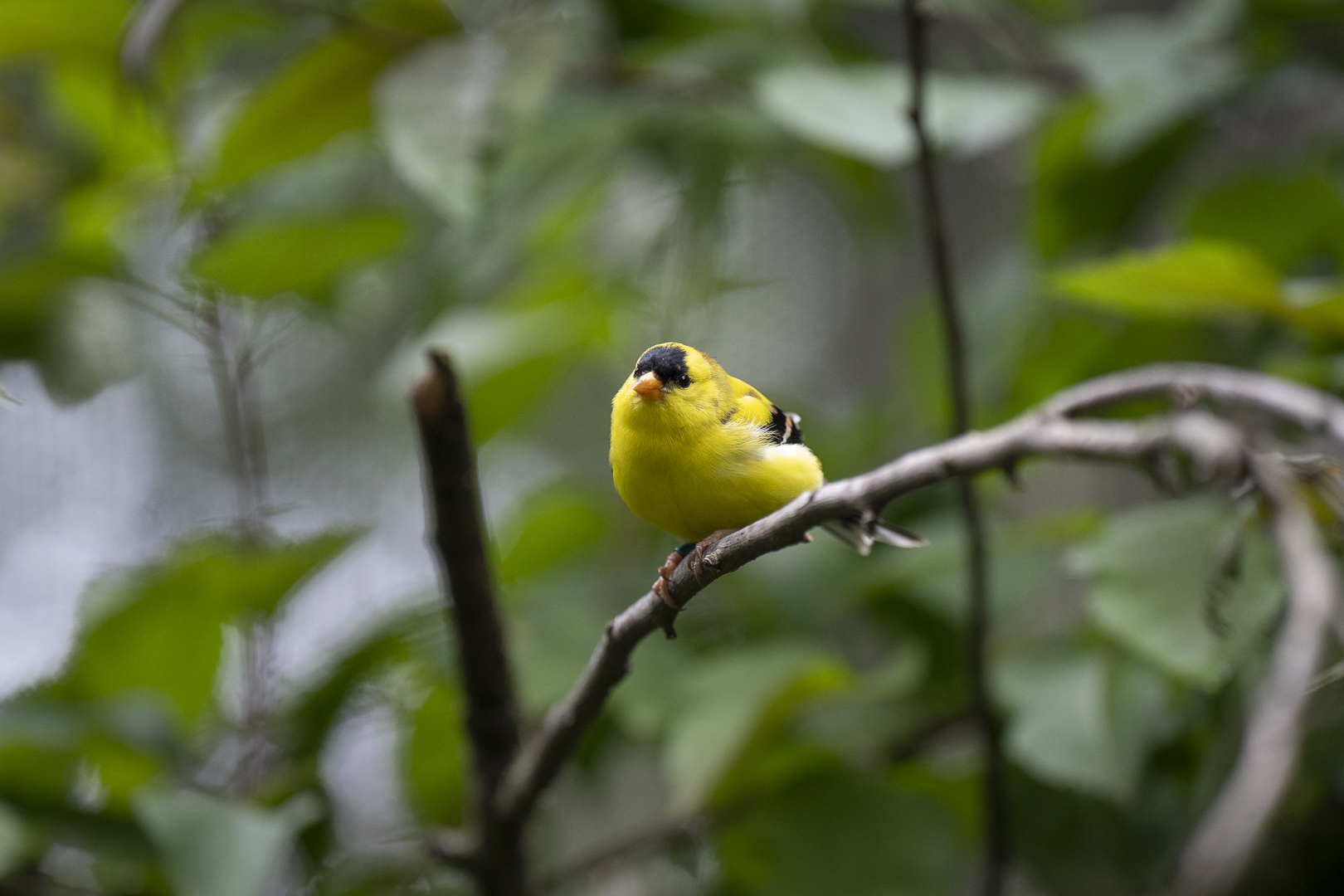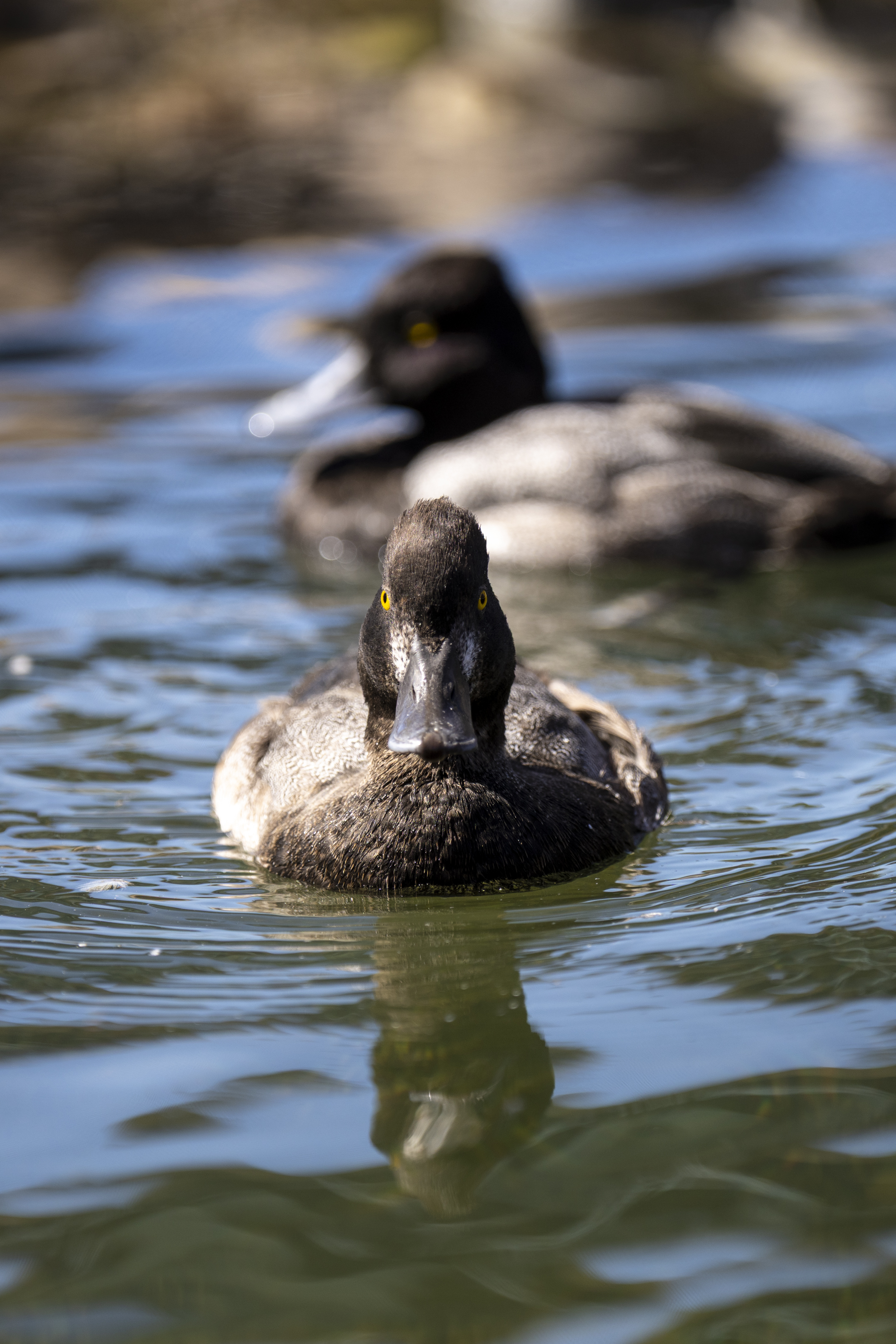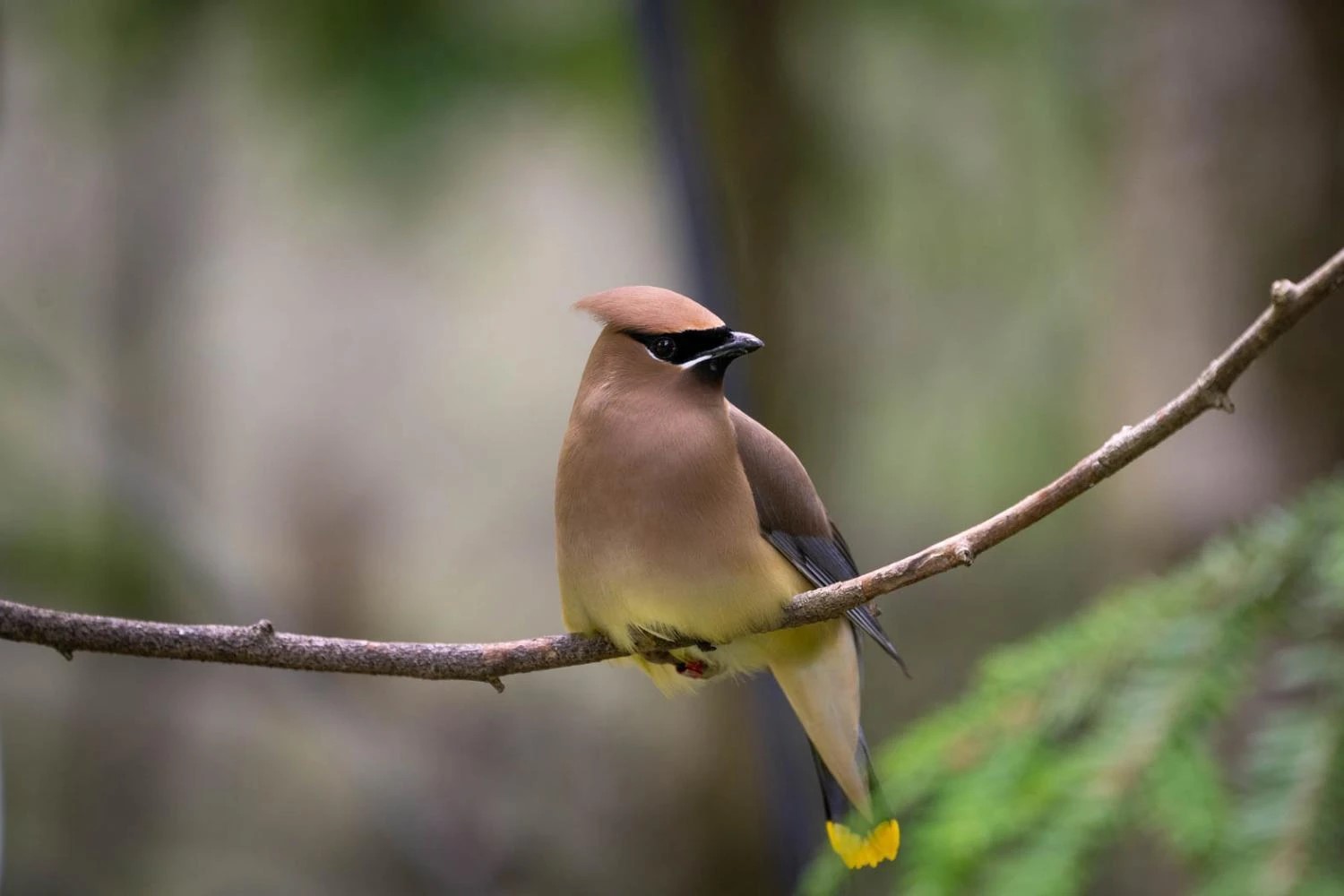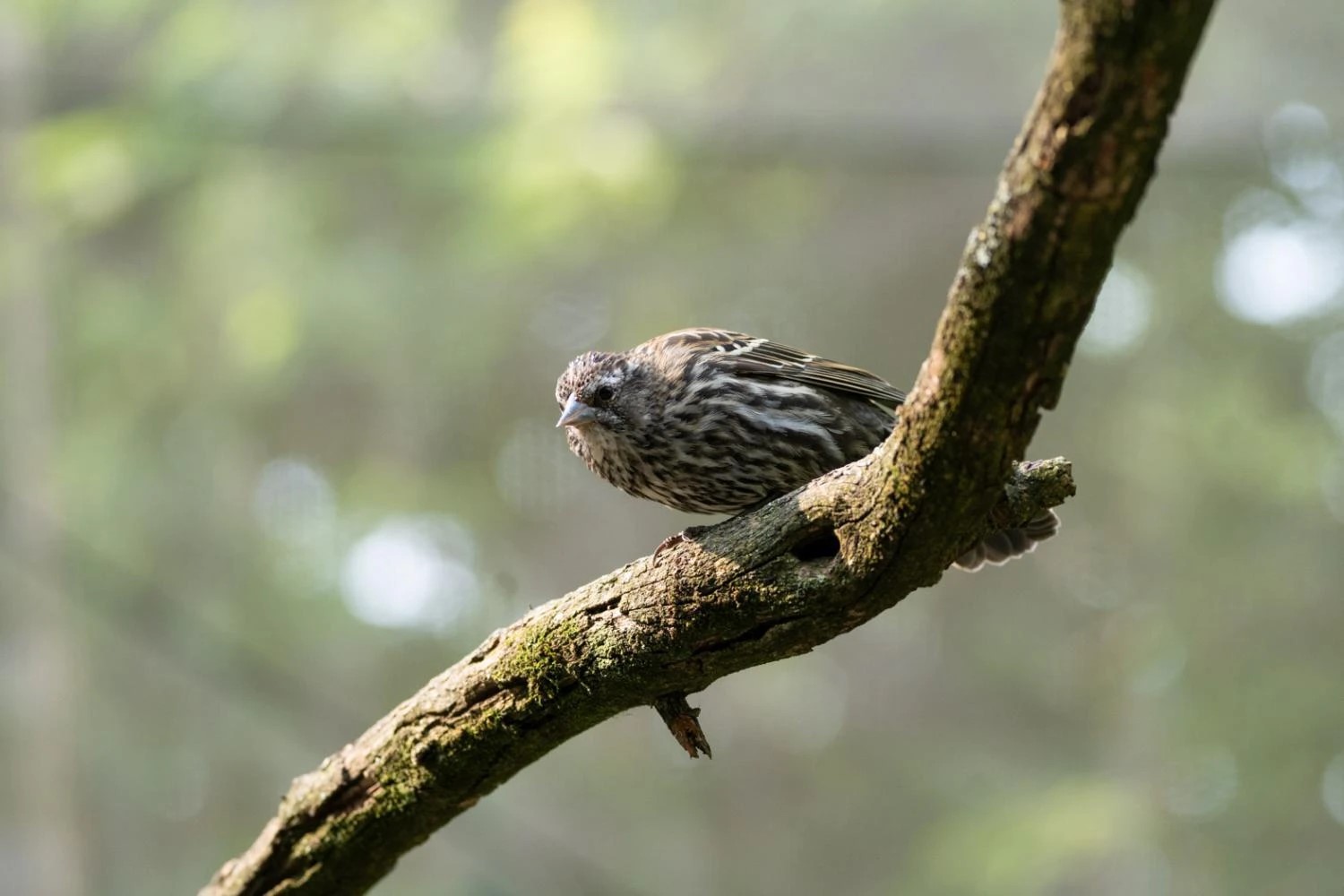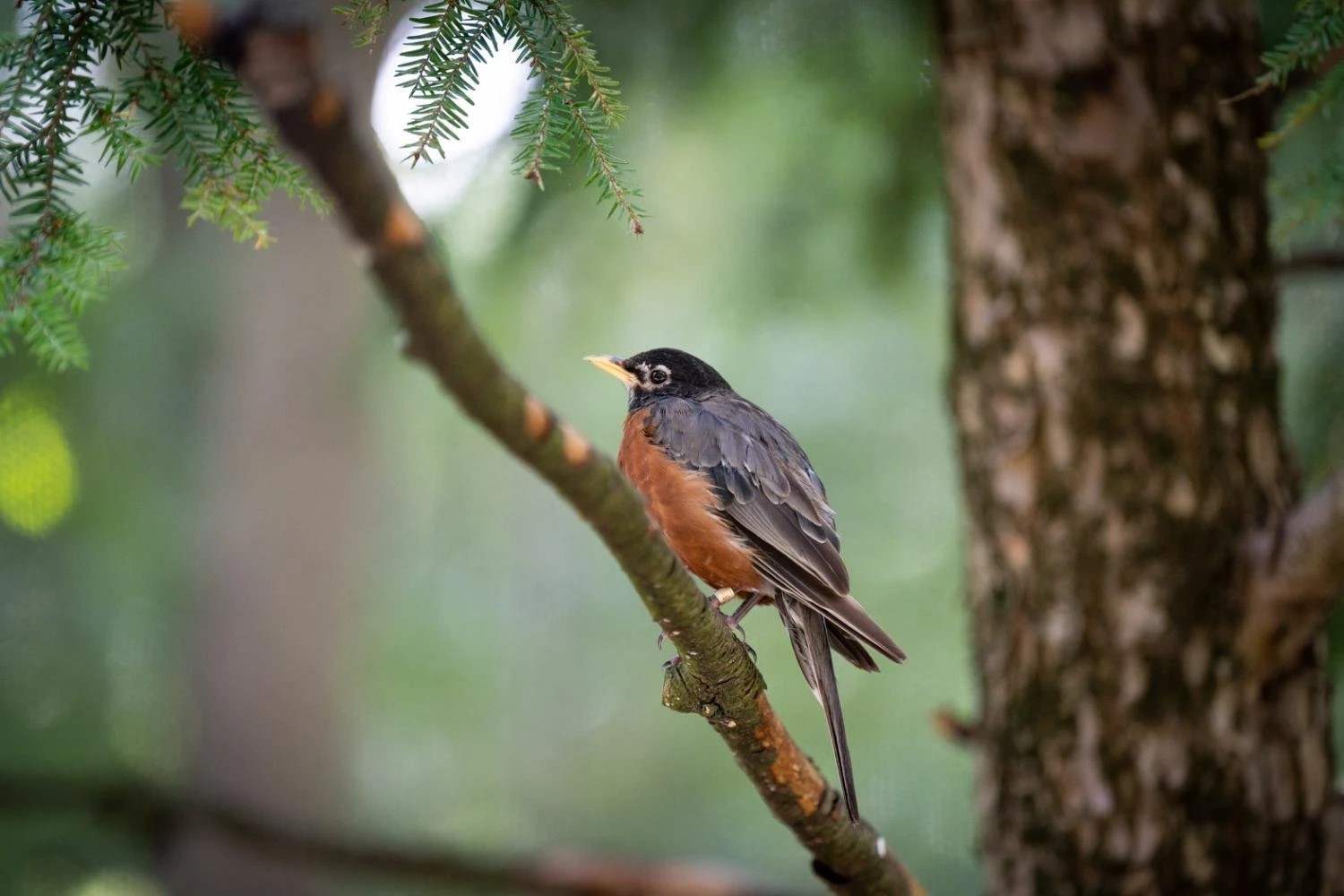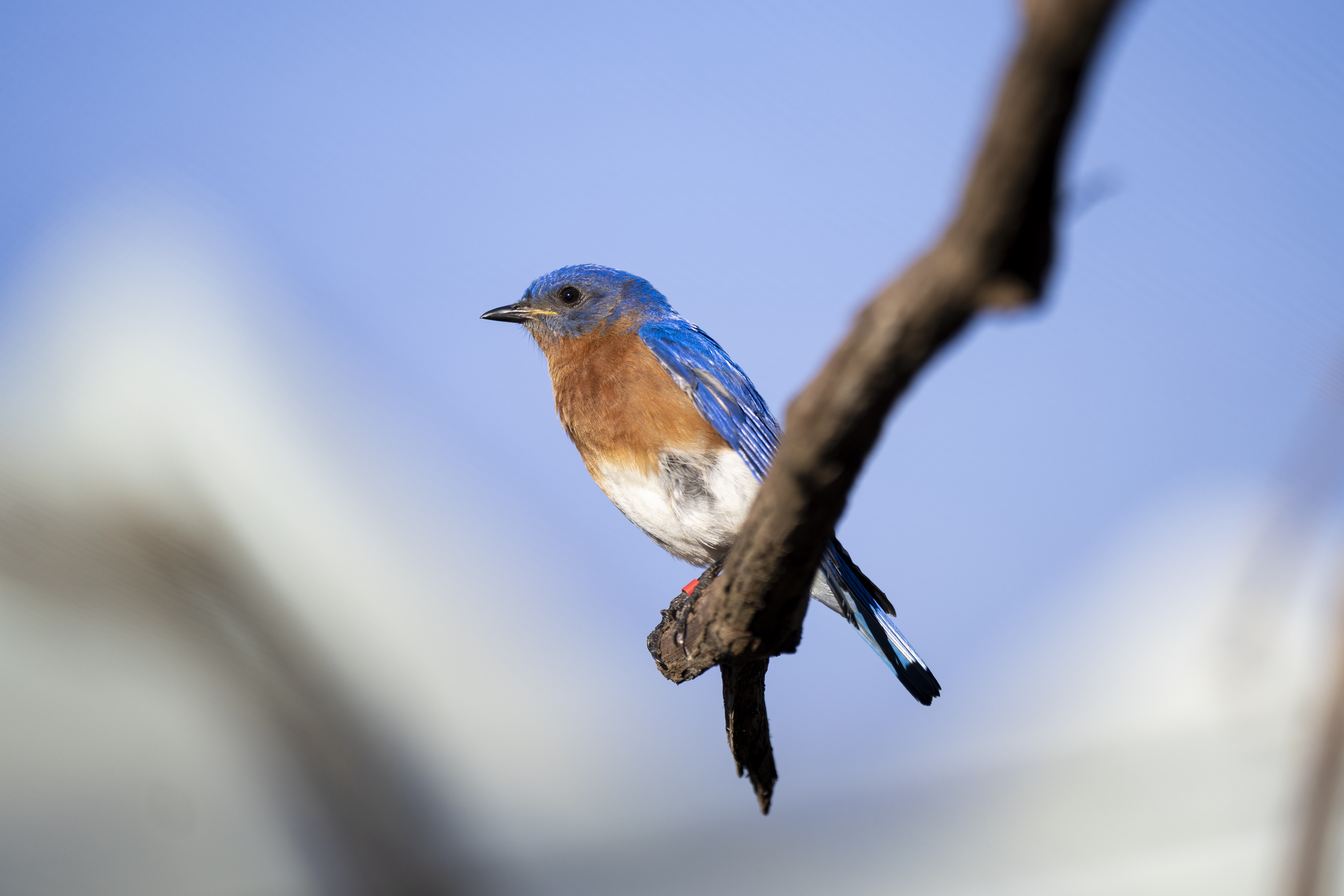
Many of the birds that call the North America Trek Aviary home are species that Ohioans may already recognize from their own backyards. The aviary provides an opportunity to recognize just how much wonder can be found in Ohio’s own backyard, and how the Zoo is helping connect people to the wildlife that surrounds them every day.

Most of the birds in the North America Trek Aviary came to the Columbus Zoo from wildlife rehabilitators, and each has been injured in some way that prevents it from surviving in the wild. Our Animal Care staff provides food, shelter, and habitat that closely mimic their native surroundings. 

At the Columbus Zoo, we’re dedicated to the conservation of North American songbirds, specifically through our participation in The Association of Zoos and Aquariums' (AZA) Saving Animals from Extinction (SAFE) program.


Scientific Name: Aves

Conservation Status:

Size: Varies, depending upon species

Weight: Varies, depending upon species

Median Life Expectancy:
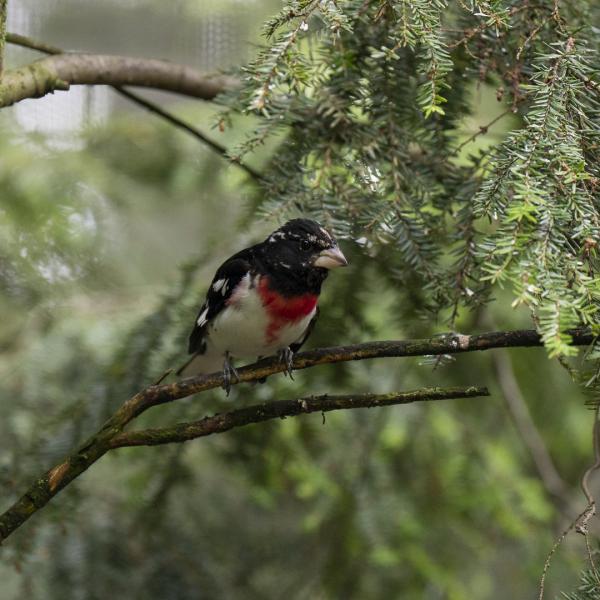
Rose-breasted grosbeak (male)
Nutrition
Songbirds eat many different things, like insects, seeds, nuts, nectar, fruits, and berries. Ducks and other waterfowl eat aquatic plants, seeds, insects, worms, snails, small fish, and amphibians.  Exactly what they eat can change depending on the species and season.
Current Range and Historic Range
Songbirds and ducks are found across all of North America.
In North America, billions of birds like songbirds and ducks migrate each year. They follow four main routes, called "flyways": Atlantic, Mississippi, Central, and Pacific. Birds travel to find food and good places to nest and raise chicks. They use things like rivers and coasts to help them find their way, often traveling at night. Some birds stay near the coast, some go inland, and some fly over mountains. All birds need places to stop, rest, and eat along the way. Many bird species travel all the way to South America and back.
Habitat

Songbirds and ducks live in a wide range of habitats, including forests, grasslands, wetlands, lakes, and coastal areas.

Predators and Threats

North American songbirds and ducks, along with their eggs, serve as an important food source for a wide range of predators. Mammals such as raccoons, squirrels, foxes, coyotes, and bobcats, as well as various birds of prey and other predatory birds, depend on them. Reptiles like snakes also prey on these birds and their eggs. Additionally, ducks are vulnerable to large aquatic turtles, large fish, and alligators.

North American songbirds face threats including habitat loss, collisions with man-made structures, predation by domestic and feral cats, climate change, and pollution. Ducks and waterfowl in North America are threatened by habitat loss from wetland drainage and shoreline development, climate change, pollution, and predation by invasive species. These threats affect breeding grounds, migration routes, and wintering habitats, putting populations at risk across the continent.

Physical Characteristics and Adaptations

Songbirds and waterfowl have lightweight skeletons made of hollow or partly hollow bones, supported by strong internal braces. These bones are strong but still very light. With their special wing shapes and powerful chest muscles, these features help birds fly and stay in the air.

Feathers serve important functions for both songbirds and ducks, including flight, insulation, waterproofing, camouflage, and attracting mates through display.

Birds do not have teeth to chew their food, but they have a gizzard. The gizzard is a strong, muscular part of their stomach. It grinds up tough foods like seeds, grains, and even small shells. Birds often swallow small stones to help their gizzard break down food.

Birds have different shapes of beaks and bills, based on what they eat. Songbirds with cone-shaped beaks can open and eat seeds, while birds with thin beaks can catch and eat insects. Some ducks have wide, flat bills with comb-like edges that help them filter plants from the water. Other ducks have sharp, jagged bills that help them catch and hold onto fish.

The shape of a bird's foot is another important adaptation. Most songbirds have three toes in front and one in back, which helps them grip branches and perch safely. Ducks have big, webbed feet that act like paddles, helping them swim and move easily in the water. Their toes fold back when they pull their feet up to swim faster.

Reproduction

Songbirds and ducks both have special ways to find a mate. They might show off their bright feathers, perform “dances” or displays, or have a territory with desirable resources that they defend. After mating, they lay eggs in nests. These nests can be made from collected materials, in holes in trees, or just on the ground. The mother bird typically incubates the eggs by sitting on the nest to keep them warm until they hatch.

When songbird chicks hatch, they are featherless and rely on their parents for food for several weeks. They stay in the nest until they grow feathers and can fly and find food on their own. Ducklings hatch with soft down feathers and are able to follow their mother almost immediately as she teaches them to forage for food and swim.

Communication

Songbirds communicate with both sounds and body language. During breeding season, they use longer, more musical songs to defend their territory and attract mates. At other times, they use shorter calls to warn others of danger, stay in touch, or for young birds to ask for food. Songbirds also use their feathers, body posture, and movements to share information.

North American ducks also use sounds, body language, and even touch to communicate. Their quacks, whistles, and grunts help them warn others of danger, attract a mate, or stay together as a group. Ducks use movements like head bobs and wing stretches to show interest during courtship or to warn away predators. Touch, such as gentle pecking or close contact, is important for bonding, especially when they are choosing a mate or feeding together.

Everyday Actions

You can help native songbirds and their habitats with simple steps at home.

Domestic cats are a major threat to songbirds. Keep pet cats indoors and work with local humane organizations that spay and neuter feral cats. Reduce collisions with windows by using UV decals or DIY options to minimize glare and help birds see the glass. Plant native flowers and wait to clean up your yard in the fall. These plants provide food, shelter, and places to nest, as well as attract the insects that birds eat.