Step outside on a summer evening in Ohio and the night sky is already hard at work.
While most of us are winding down for the day, bats are swooping overhead, using rapid-fire echolocation calls to hunt insects in the dark. Those vocalizations are so high-pitched that humans cannot hear them, but if we could, the sky would sound surprisingly loud. Dusk is often the best time to spot them gliding through neighborhoods, parks, and even your own backyard.
And despite decades of spooky stories and old myths, bats and people can coexist peacefully.
Here in Ohio, all 10 native bat species are insectivores, meaning insects make up their diet. Worldwide, there are more than 1,500 bat species, and while most eat insects, others feed on fruit, nectar, flowers, frogs, fish, and more depending on where they live.
Bats are Tiny Conservation Powerhouses.
A little brown bat can eat up to 1,000 mosquito-sized insects in a single hour during a summer evening. Big brown bats use strong jaws to crunch beetles, moths, and leafhoppers that can damage crops and gardens. In fact, bats save farmers billions of dollars globally each year through natural pest control.
Ohio’s native bat species include:
- Little brown bat
- Big brown bat
- Northern long-eared bat
- Indiana bat
- Eastern small-footed bat
- Tri-colored bat
- Evening bat
- Eastern red bat
- Hoary bat
- Silver-haired bat
Each species plays an important role in maintaining healthy ecosystems.
Nature’s Night Shift
Beyond Ohio, bats are also critical pollinators and seed dispersers across deserts, forests, rainforests, and grasslands around the world.
Bat-pollinated plants include:
- Bananas
- Mangoes
- Agave cactus, used to make tequila
- Giant saguaro cactus
- Durian fruit trees
- Balsa wood
- Carob
- Cloves
Fruit-eating bats often travel long distances between feeding areas and roosts, spreading seeds far beyond where the fruit originally grew. In rainforest ecosystems, bats are frequently among the first animals helping forests recover after natural disasters or human disturbance by dispersing seeds into damaged areas.
In other words, some forests quite literally regrow on bat wings.
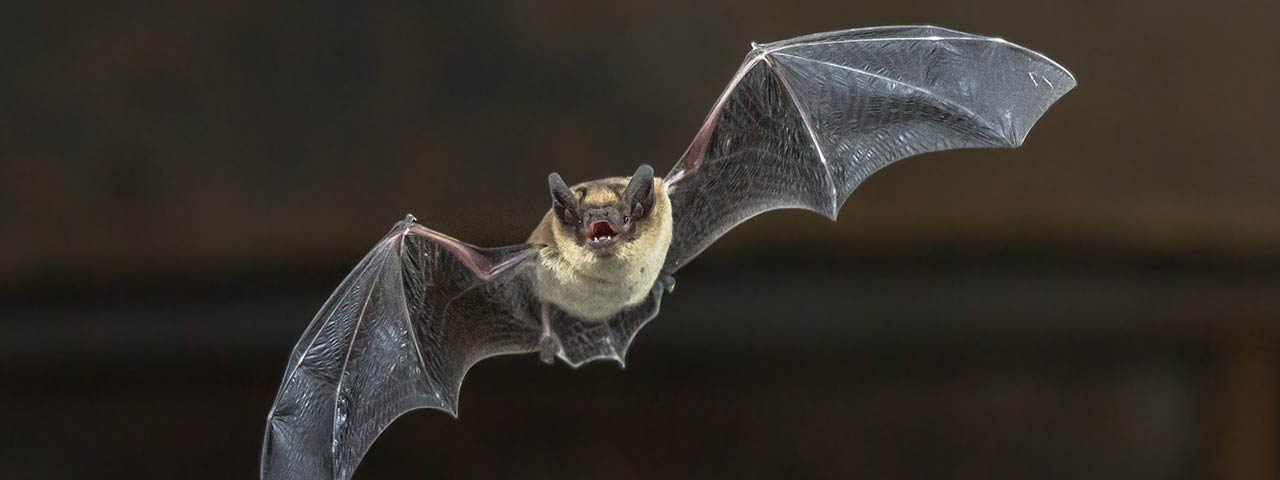
Bat Facts That May Surprise You
Let’s clear up a few myths while we are here:
- Bats do not get tangled in people’s hair.
- No bat species is blind. “Blind as a bat” is simply an old saying.
- Not all bats use echolocation. Fruit bats often rely heavily on eyesight and smell.
- Most bats are nocturnal, but some species are active during dawn, dusk, or even daylight hours.
- A baby bat is called a pup.
- A group of bats is called a colony.
- Vampire bats only live in Central and South America, and they were named after vampire legends, not the other way around.
- Bats cannot stand upright on their legs. They are built for hanging and flying.
One of the most fascinating adaptations bats have is in their feet. Specialized tendons lock their toes into place while hanging upside down, meaning they can roost without using extra energy.
Why Bat Boxes Matter
Habitat loss is one of the biggest challenges facing bat populations.
Many species rely on old trees with loose bark or hollow cavities for shelter, but those natural roosting spaces are becoming harder to find. Cave habitats have also been disturbed or destroyed in some areas, forcing bats to abandon traditional roosting sites.
That is where man-made bat boxes can help.
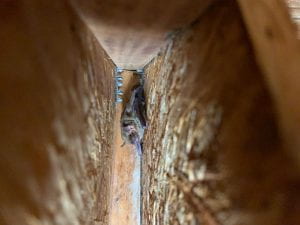
Bat boxes provide safe places for bats to rest and raise their young in areas where natural habitat is limited. They can also encourage insect-eating bats to live nearby, helping naturally reduce pest populations.
While exploring the new aviary in North America Trek, guests may spot something unexpected on the south wall of the Asian Elephant Conservation Building: two bat boxes installed, thanks to the generosity of Zoo docents Mary and Jason Smith. Their support reflects a shared belief in the Zoo’s conservation mission: Empowering People. Saving Wildlife.

What To Do If You Find a Sick Bat
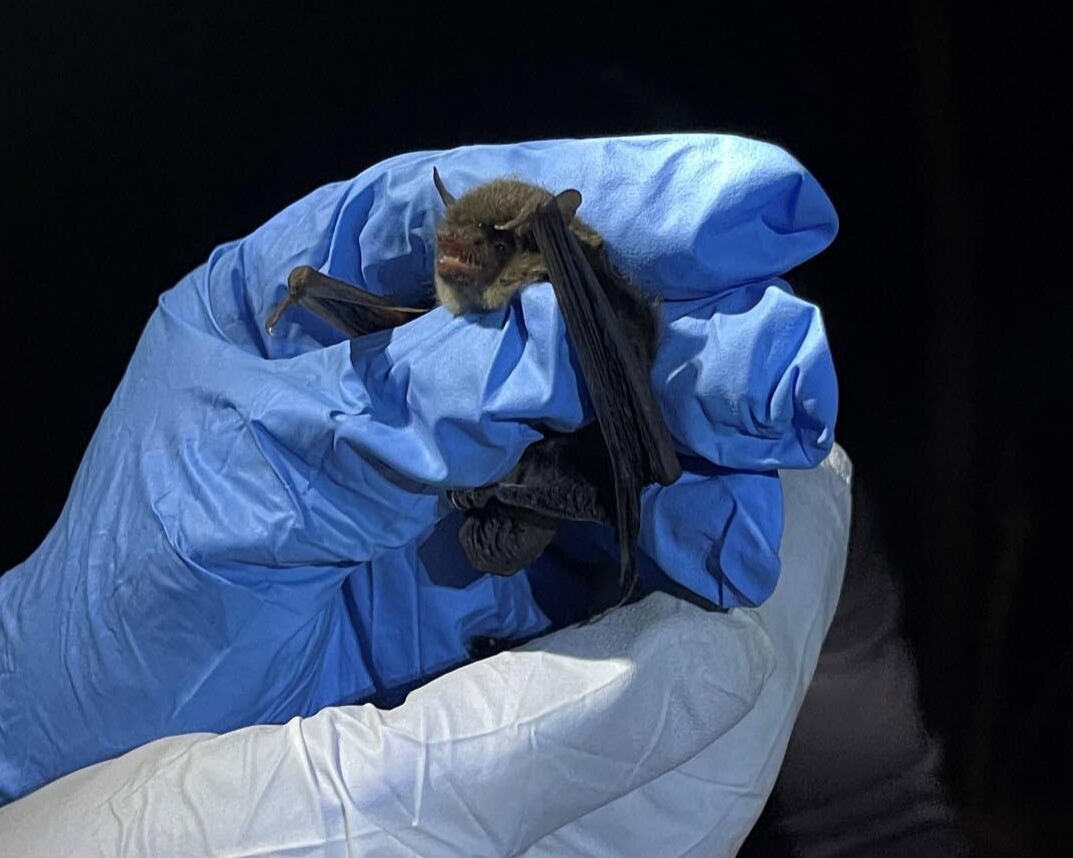
If you find a bat on the ground during the day, or one that allows people to approach closely, it may be sick or injured.
Never touch a bat with bare hands. Instead, contact a licensed wildlife rehabilitation center for guidance on how to safely contain the animal and where it should go next. You can learn more through the Ohio Wildlife Center.
Meet the Bats at the Columbus Zoo
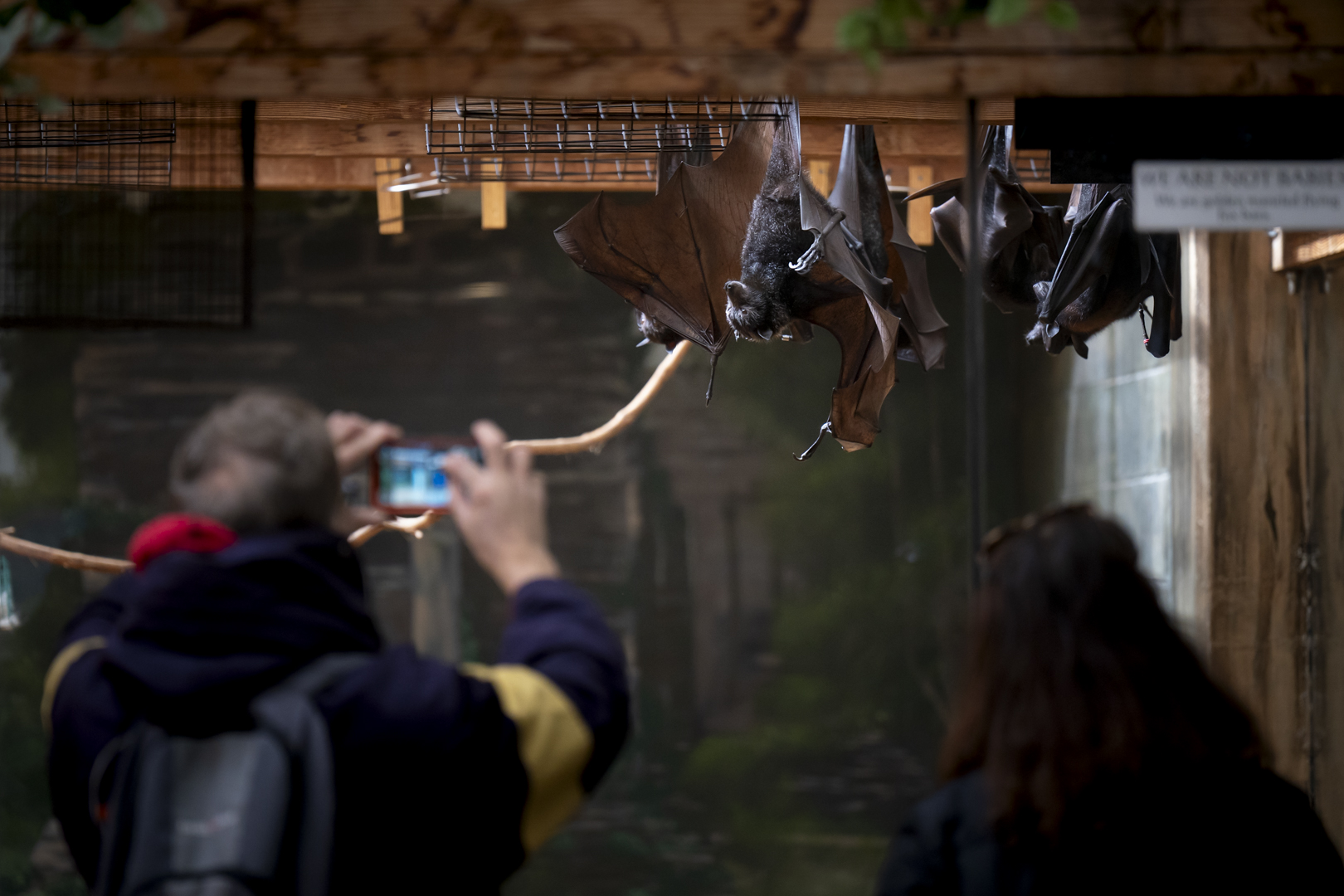
Guests visiting Asia Quest at the Columbus Zoo and Aquarium can currently see large Malaysian flying foxes (Pteropus vampyrus), a species of fruit bat known for its fox-like face and impressive wingspan.
Despite the nickname “flying fox,” these animals are bats, not foxes, and no fox species can actually fly.
Coming soon to the habitat are straw-colored fruit bats (Eidolon helvum) from Africa, which will share the space with the Malaysian flying foxes.
Want to Learn More?
If bats sparked your curiosity, there are incredible organizations doing research, conservation, and education work every day:
- The Ohio Bat Working Group
- Bat World Sanctuary
- Bat Conservation International
- Center for North American Bat Research and Conservation
The next time you see a flicker in the evening sky, you might still feel a little startled. But now you will also know what you are looking at…And that changes everything.