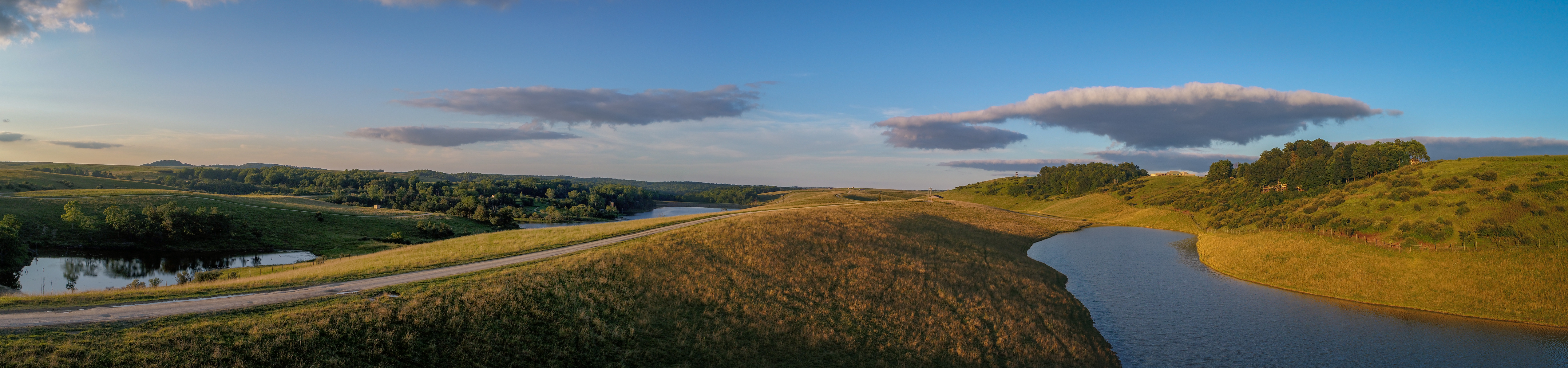
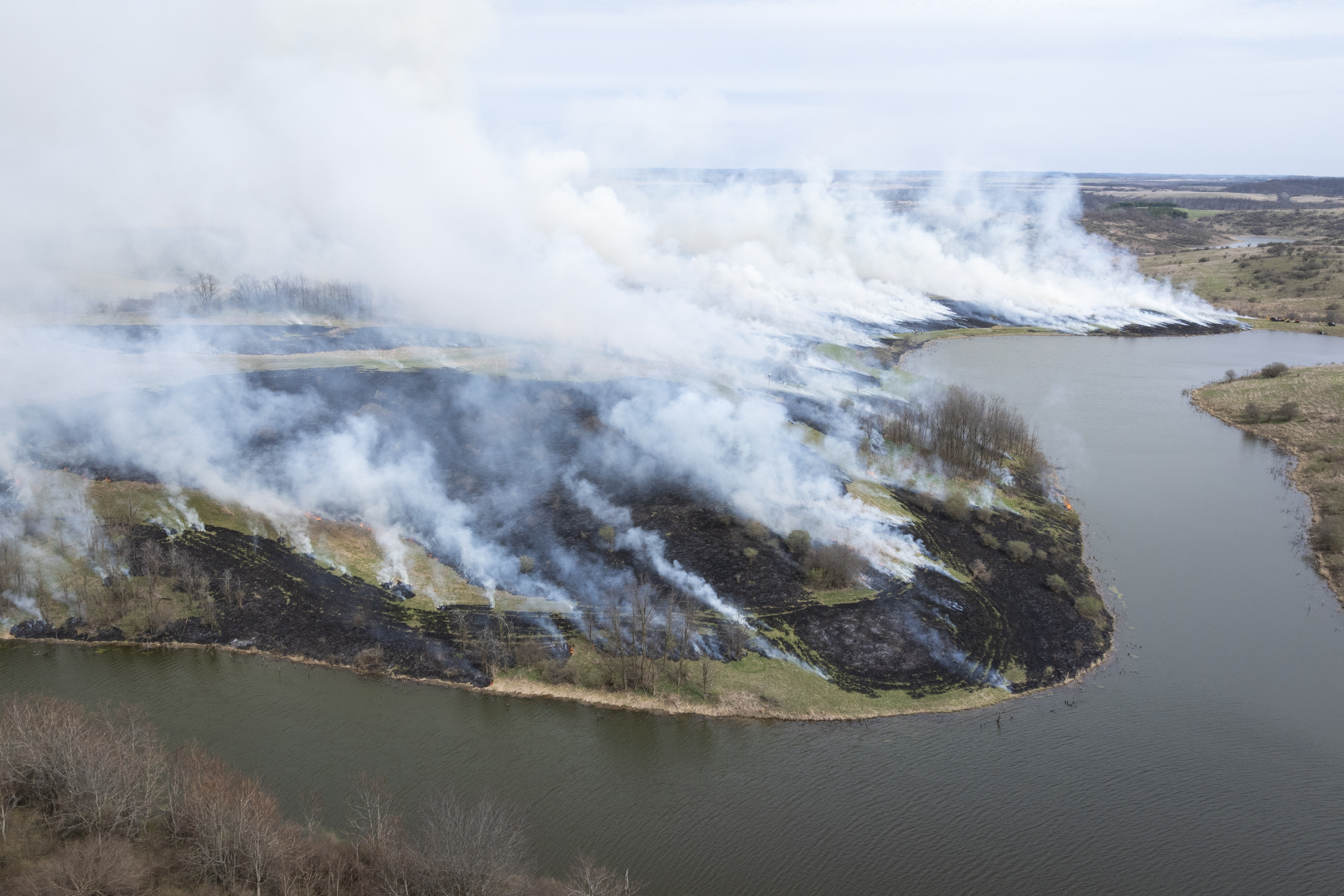
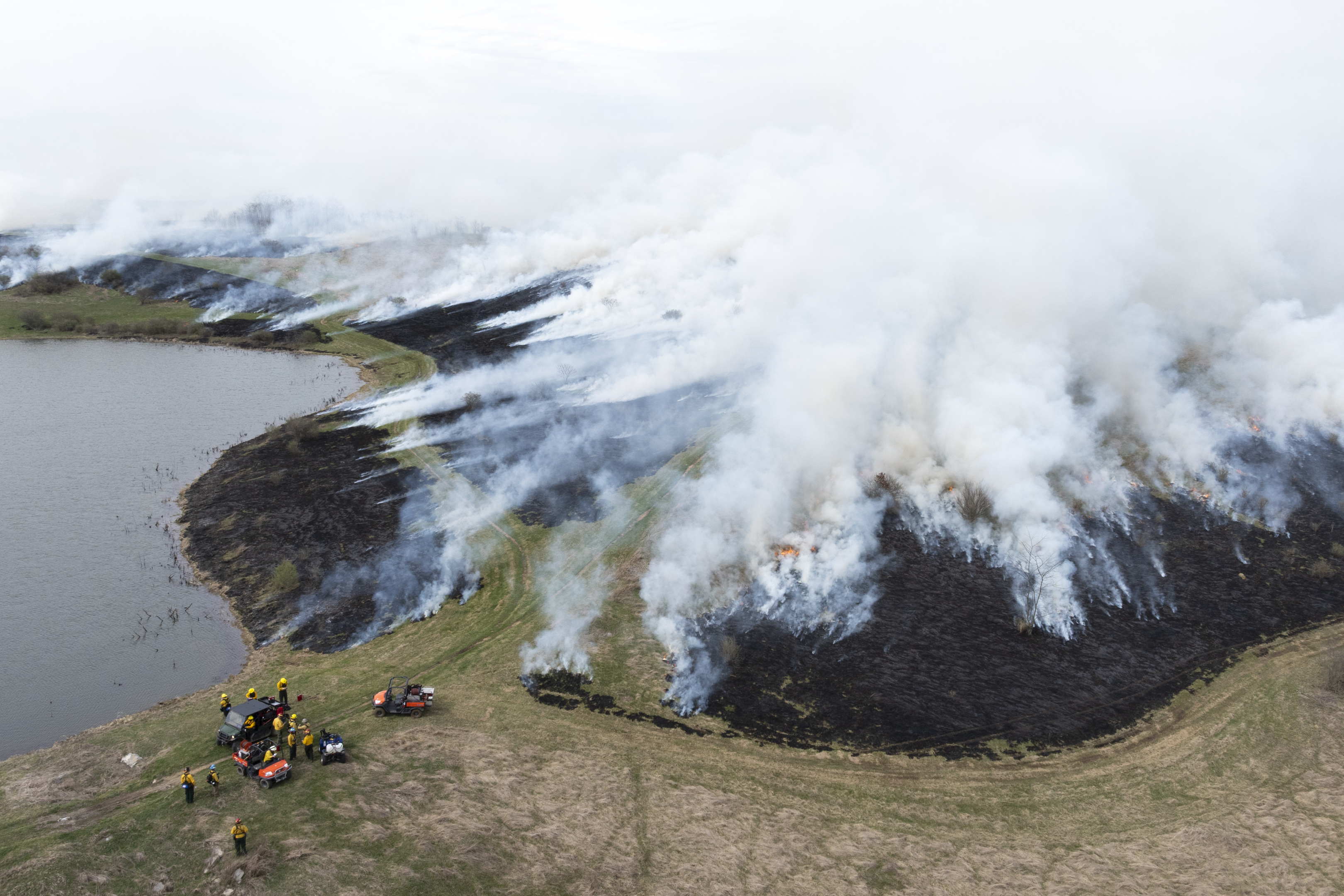
If you visit The Wilds this spring, you may notice areas of the landscape that look a little different. Earlier this season, a controlled fire moved across a wide stretch of prairie, part of a carefully planned effort to restore and strengthen the habitat wildlife depend on.
At The Wilds, caring for wildlife begins with caring for the land. One of the ways teams support that work is through prescribed fire, a carefully planned and controlled process that helps restore and sustain natural ecosystems while prioritizing safety at every step. This work is carried out in close collaboration with conservation partners, bringing together shared expertise to support both habitat restoration and wildlife.
Why Fire Is Part of Caring for the Land
Prescribed fire plays an important role in maintaining healthy ecosystems. It helps manage invasive and encroaching brush species, prevents non-native cool-season grasses from outcompeting native warm-season grasses, and supports the growth of species such as big and little bluestem, asters, and sunflowers.
Fire also improves soil health by returning nutrients like nitrogen and phosphorus to the ground, increasing microbial activity, and helping organic matter break down more efficiently. These changes create the conditions needed for native plant communities to thrive.
Prescribed burns support The Wilds’ work by maintaining diverse grassland habitats that sustain plant and animal biodiversity. Healthy ecosystems depend on healthy habitats. While prescribed burns focus on native habitats, they also support the overall health of the landscape that all animals at The Wilds depend on. This effort brings together teams from The Wilds and key conservation and community partners, combining expertise and resources to carry out burns at a scale that would not be possible alone.
It Also Reflects our Mission: Empowering People. Saving Wildlife.
“Prescribed fire is an important part of how we care for the land at The Wilds,” said Liza Butler, restoration ecology associate at The Wilds. “It allows us to actively manage these grasslands, support native species, and create healthier habitats that wildlife depend on.”
“The predominant benefit from this fire is the thinning of non-native cool season grasses and the setback of invasive shrubs,” said Ryan Morr, a biologist with the U.S. Fish and Wildlife Service (USFWS) Partners for Fish and Wildlife Program (PFW). “The fire promotes the prairie species that The Wilds has established, including native warm season grasses and forbs.”
Where You May See These Changes
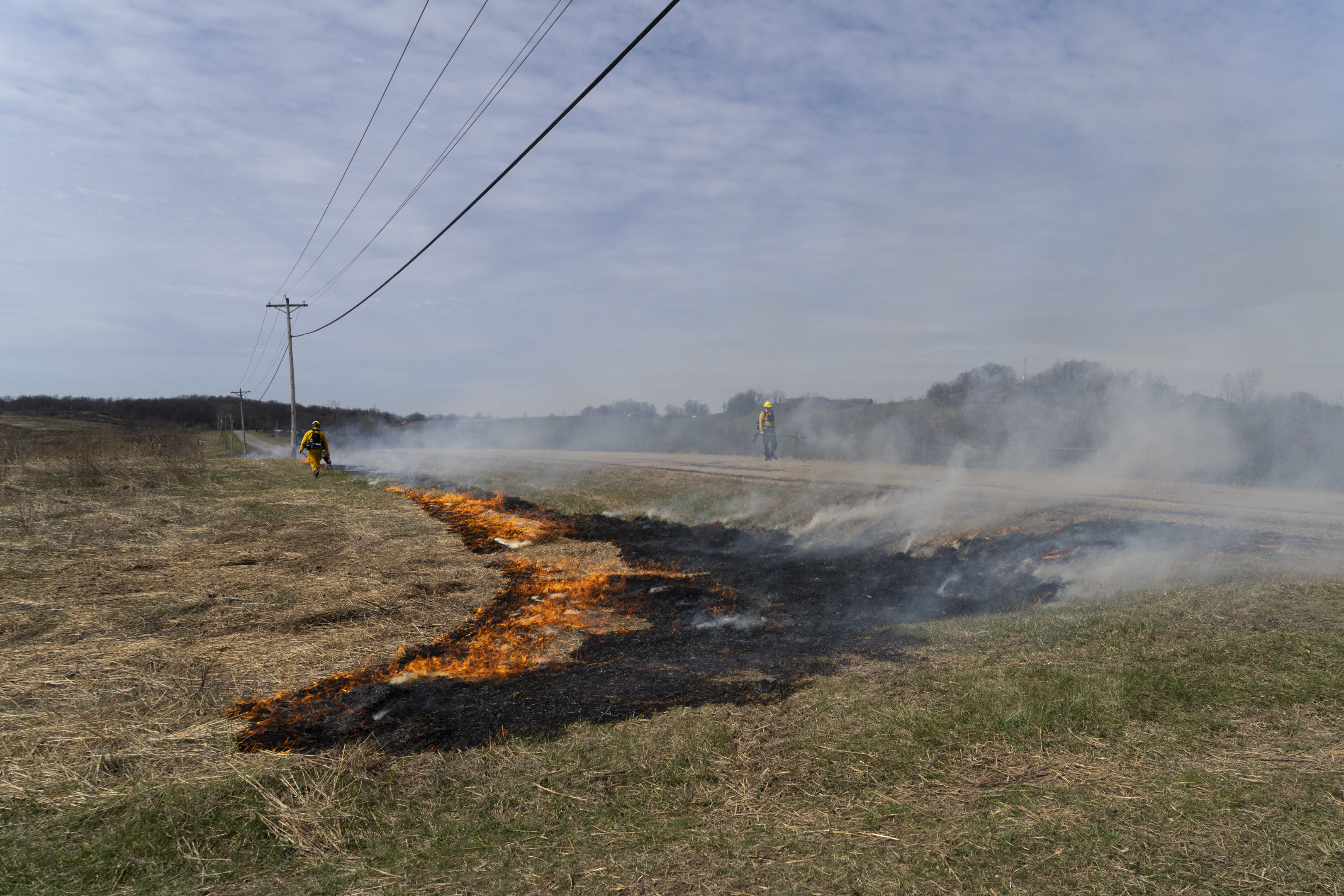
If you’re exploring The Wilds, you may see these changes in areas south of International Road, between State Route 340 and State Route 284. This spring’s prescribed burn covered approximately 905 acres of restored prairie and reclaimed grasslands and was conducted in collaboration with partners, including the USFWS Partners for Fish and Wildlife Program, The Nature Conservancy, the Ohio Department of Natural Resources Division of Forestry, the Muskingum County Emergency Management Agency, and local fire departments.
While smaller portions of this area, including sections of the International Prairie, were burned in spring 2024, much of this landscape had not previously undergone a prescribed burn. Work to prepare for the burn was carried out over a few days, but the burn itself took only approximately seven hours under carefully-monitored conditions, including moderate humidity and favorable wind patterns, to ensure the burn remained controlled and effective.
A Natural Process at Work
Fire has long been part of this landscape. Ohio’s prairies and oak-dominated ecosystems have historically experienced periodic fire, and some plant species depend on it to regenerate or reduce competition.
Today, prescribed burns allow teams to reintroduce that natural process in a controlled and intentional way. In addition to supporting grasslands, fire can help reduce excess fuel buildup in forested areas and support fire-adapted tree species such as oak and hickory.
How Wildlife Are Protected
Careful planning helps ensure wildlife species are protected throughout the process.
- Burns are conducted during the dormant season, before nesting begins, when many animals are less active or sheltered underground.
- Teams remove certain human-made nesting structures when needed and leave select areas unburned to provide refuge.
- As crews prepare the site, activity from vehicles and equipment encourages animals to move out of the area.
- During the burn, smoke and heat continue to guide wildlife away, while some species take shelter in underground burrows.
Many species benefit from the conditions that follow. Pollinators return as wildflowers bloom. Grassland birds such as bobolinks and grasshopper sparrows find improved nesting habitat. Raptors, reptiles, amphibians, and small mammals respond to the renewed landscape, while white-tailed deer benefit from fresh, nutrient-rich forage. If any wildlife requires care, veterinary teams are prepared to assess and support recovery before releasing animals back into their native habitat. While impacts are minimal, the long-term ecological benefits are significant.
How We Plan and Carry Out Each Burn
Safety is central to every prescribed burn. Teams establish firebreaks, maintain water sources, and use a combination of tools and techniques to control and contain the fire, including back burns, flappers, rakes, leaf blowers, and wet lining burn breaks.
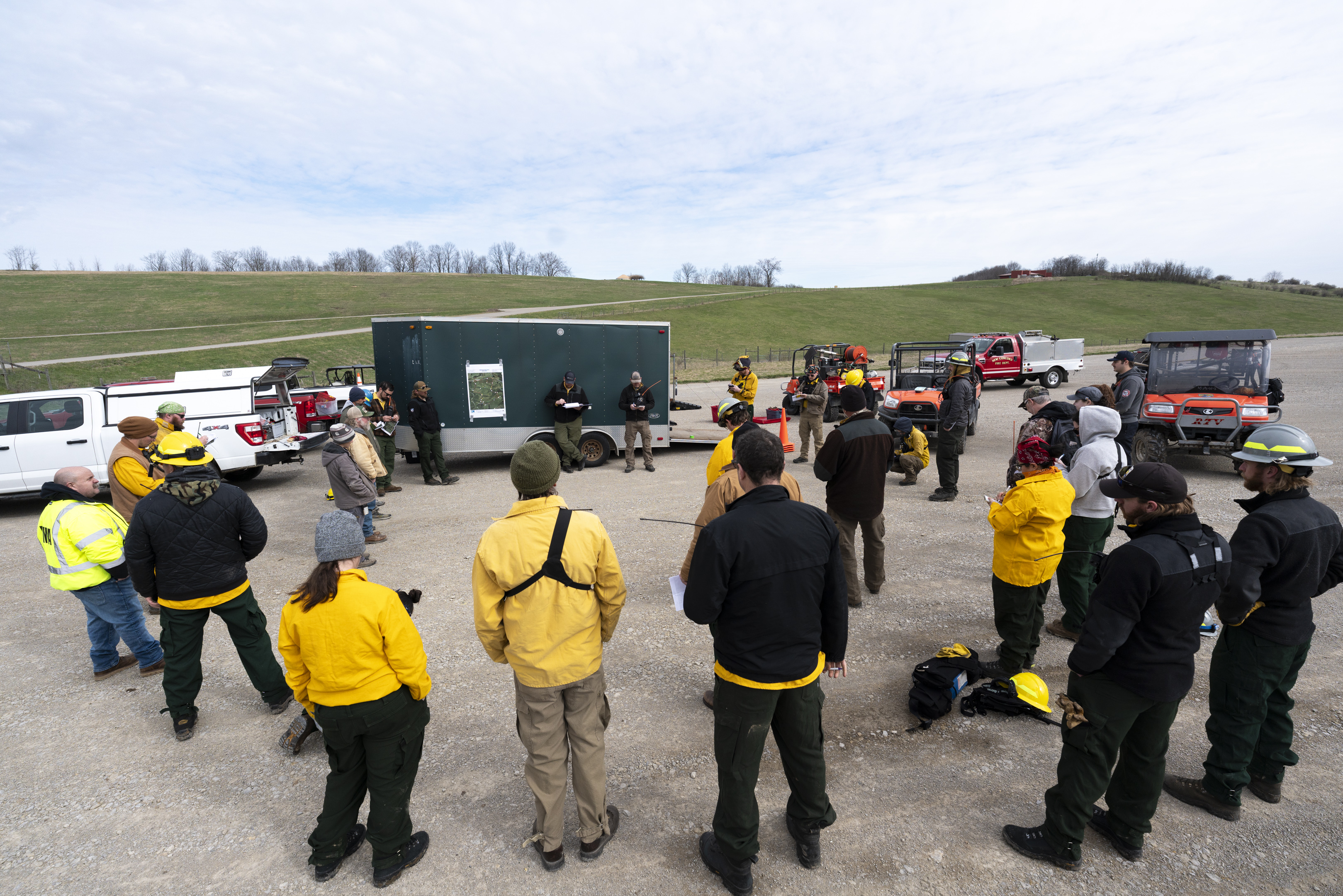
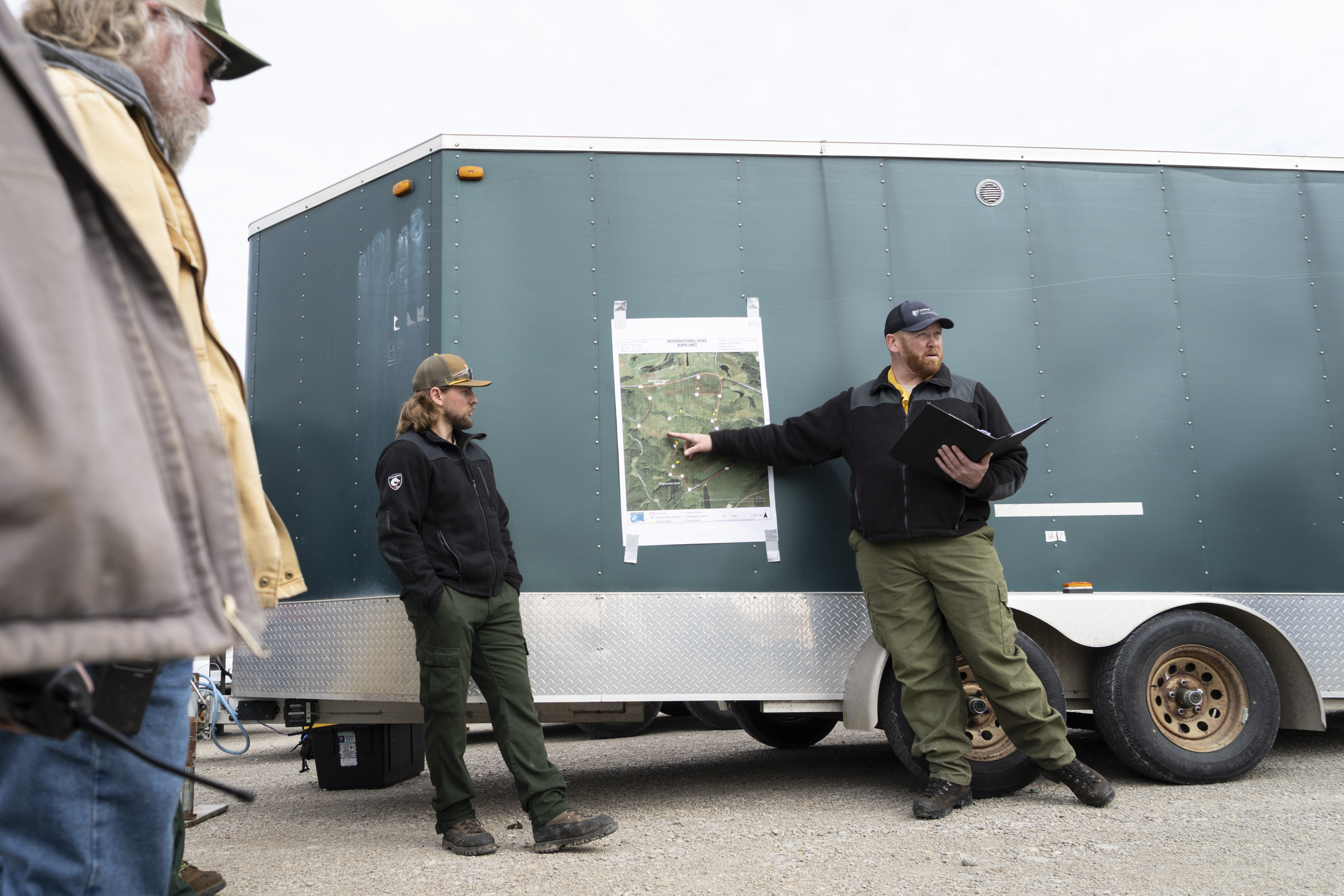
Conditions such as wind speed, direction, and humidity are continuously monitored, and burns are postponed if conditions are not within strict parameters. Planning also includes coordination with local emergency responders, notifications to nearby communities, traffic control, and detailed safety briefings.
Working Together to Advance Conservation
This work is made possible through collaboration with partners, including The Nature Conservancy and the USFWS Partners for Fish and Wildlife Program, along with local fire departments and additional state and community partners.
“Conservation partnerships like these are really a force multiplier for conservation,” said Tom Rooney with The Nature Conservancy. “We can accomplish more together than all our organizations can accomplish separately.”
What You May Experience On-Site
If you visit during or shortly after a prescribed burn, you may notice smoke, the scent of fire, or areas of blackened vegetation. Depending on conditions, smoke may be visible from several miles away. While some areas of the landscape may appear blackened at first, this is a natural and temporary part of the overall process.
Tours and overnight experiences continue to operate safely, with minimal impact beyond occasional smoke in the area.
What You’ll See in the Weeks Ahead
In the weeks following a burn, the landscape begins to change. Rain returns. Sunlight reaches the soil more easily. Seeds in the ground begin to grow.
As you continue to explore The Wilds, you may begin to see new growth emerge. Native plants return with greater strength and diversity, creating vibrant landscapes that support pollinators, birds, and other wildlife. Over time, increased plant and wildlife diversity, improved soil health, and stronger ecosystem function become more visible across the landscape.
Looking Ahead
The impact of this work extends beyond The Wilds. These efforts contribute to broader conservation initiatives across Ohio and beyond, supporting habitat restoration and biodiversity at a larger scale.
“Restoring fire as a reliable management tool on private lands is transformational for conservation in Ohio and beyond,” said Brent Sodergren with the USFWS Partners for Fish and Wildlife Program.
Through continued collaboration with partners, prescribed fire will remain an important tool in maintaining healthy habitats across The Wilds and beyond.
By visiting and supporting The Wilds, you play a role in helping to sustain this work and the native wildlife that are an important part of Ohio’s natural heritage.
Read more about our partners and their work