Picture This: A two-thousand-pound animal sprinting across the prairie at 35 miles per hour.
If you're picturing a freight train with fur, you're not far off.
Every July, National Bison Month celebrates North America's largest land mammal and one of the greatest wildlife comeback stories in history. While bison are famous for their size, they're equally important for the role they play in keeping grasslands healthy and thriving.
At The Wilds, they're also helping shape the future of wildlife conservation.
Five Things You May Not Know About Bison
Here are a few facts that might surprise you:
- They can run up to 35 mph. That's much faster than most people expect from an animal weighing up to a ton.
- They're excellent jumpers and swimmers. Rivers and streams aren't always obstacles.
- Their shoulder hump is pure muscle. It gives them the strength to sweep snow aside with their heads during winter so they can reach grasses underneath.
- Baby bison are born orange. Their bright coats earn them the nickname "red dogs."
- They're America's National Mammal. The American bison received this designation in 2016 in recognition of its ecological, cultural, and historical importance.
Pretty impressive!
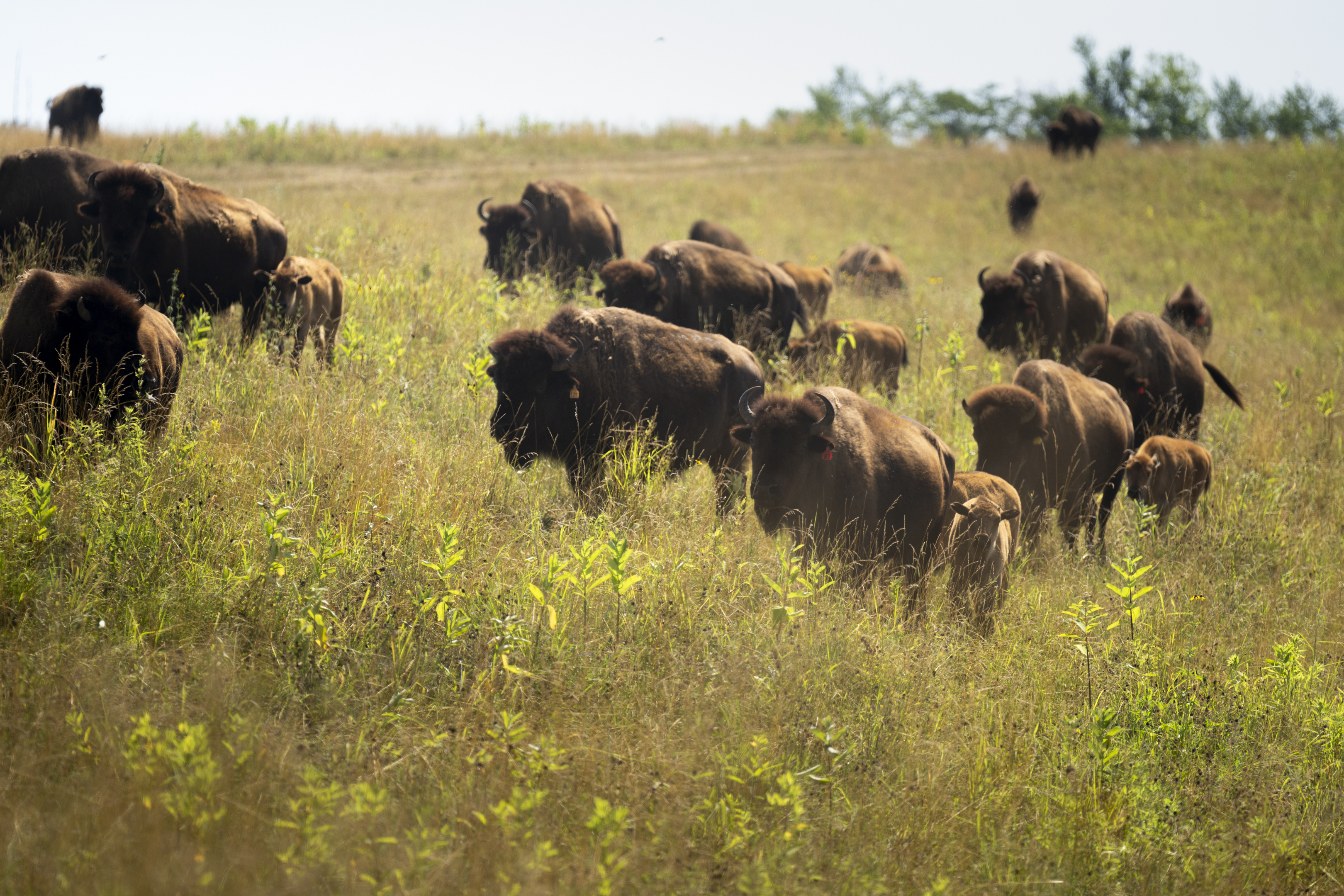
Why Bison Matter
Bison do much more than roam across open spaces.
They're considered a keystone species, meaning their presence benefits countless other plants and animals that share the prairie. As they graze, travel, and create shallow wallows in the ground, they naturally:
- Encourage diverse native plant growth.
- Create habitat for birds, insects, and other wildlife.
- Help maintain healthy prairie ecosystems.
- Improve soil health and support natural carbon storage.
Unfortunately, these ecosystems have become increasingly rare. Prairies once covered roughly 142 million acres across the United States. Today, less than 5% remain, making them one of Earth's most endangered ecosystems.
That's why restoring bison populations matters.
Interested in how that restoration is happening? Learn about The Wilds' North American Center for Bison Conservation.
Conservation That Goes Beyond Ohio
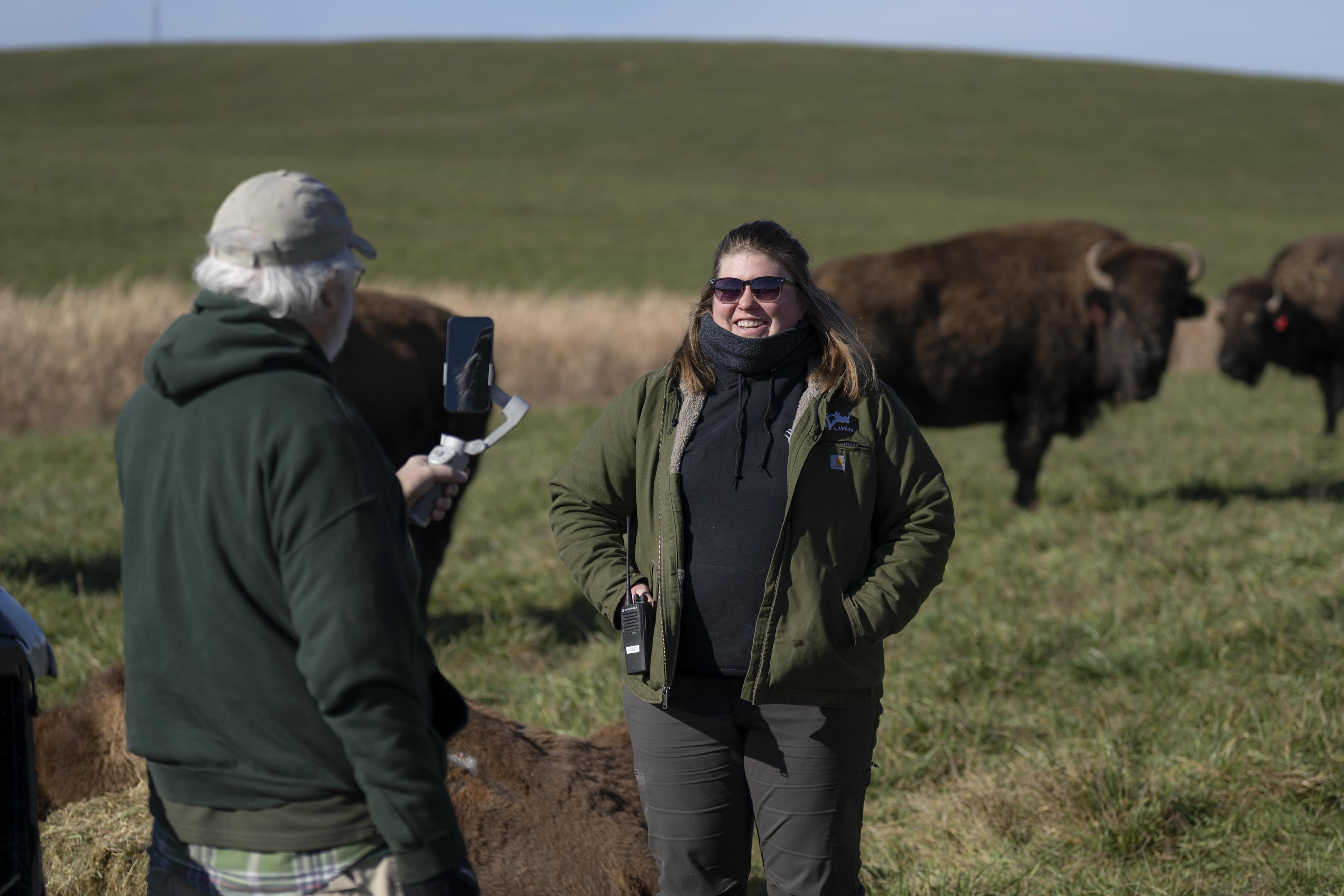
When guests visit The Wilds, they're seeing healthy bison herds grazing across expansive pastures.
What many don't realize is that some of those animals are preparing for something much bigger.
Through the North American Center for Bison Conservation, The Wilds works alongside the Wildlife Restoration Foundation, Tribal Nations, and federal and state conservation agencies to help restore bison across their native range.
The goal is to help establish healthy herds that can strengthen ecosystems, preserve genetic diversity, and reconnect this iconic species with landscapes where it belongs.
Coming Full Circle
Two of the most exciting moments in that journey happened when The Wilds, the Wildlife Restoration Foundation, the InterTribal Buffalo Council, and the Cheyenne River Sioux Tribe worked together to relocate hundreds of bison from Ohio to the Cheyenne River Sioux Reservation in South Dakota.
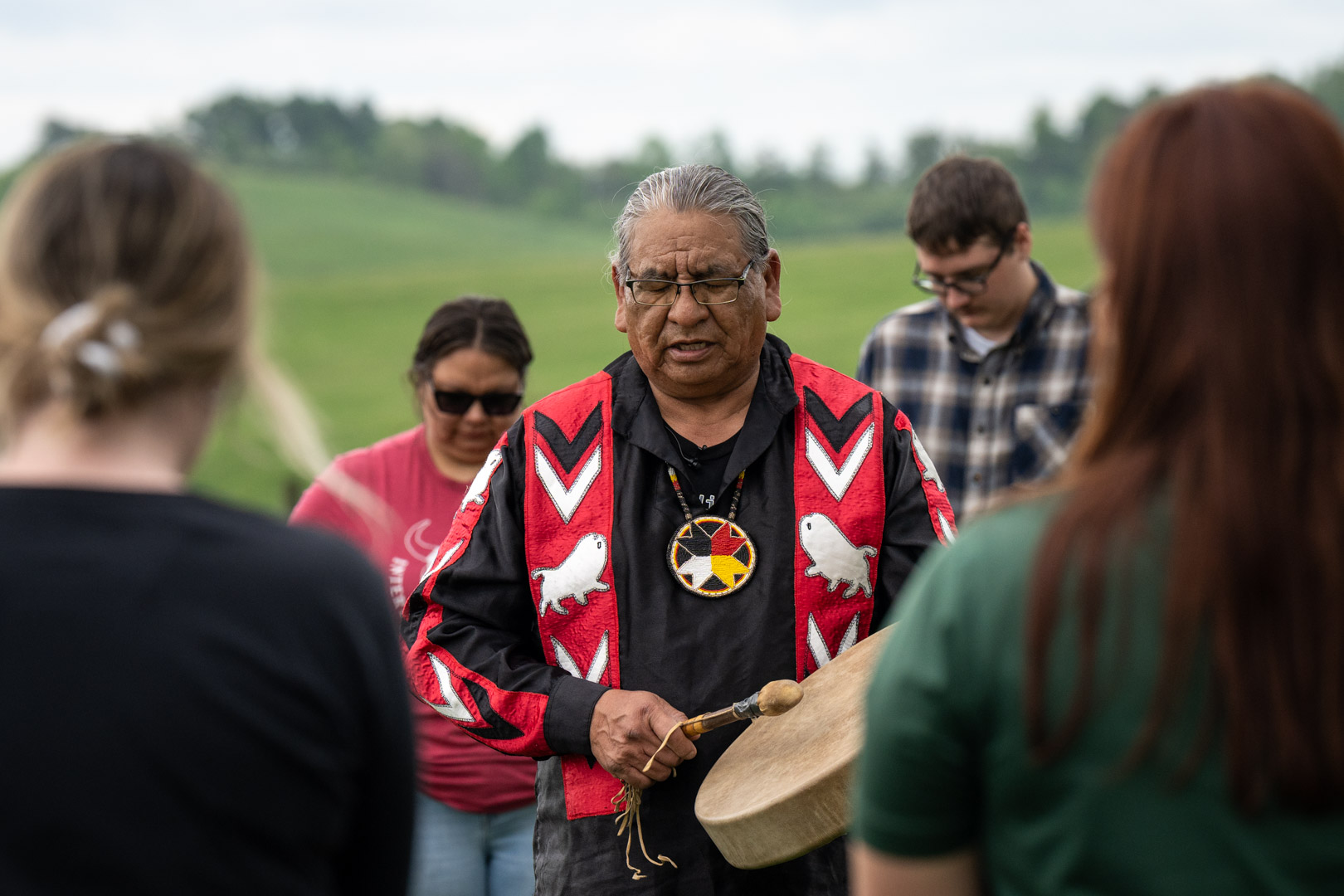
For the bison, it marked a return to native grasslands.
For conservation, it represented years of planning, collaboration, and shared commitment among organizations dedicated to restoring one of North America's most important wildlife species.
A Global Conservation Leader
Bison are only one chapter in The Wilds' conservation story. As one of North America's premier conservation centers, The Wilds works with partners around the world to recover endangered species, advance wildlife science, restore habitats, and strengthen conservation breeding programs.
The Wilds is accredited by:
- Association of Zoos and Aquariums
- Zoological Association of America
- World Association of Zoos and Aquariums
- and is Humane Certified
Whether animals remain under expert care or return to native landscapes, every conservation success begins with the same goal: creating healthy wildlife populations for generations to come.
Celebrate National Bison Month
This National Bison Month, take a moment to appreciate an animal that's equal parts powerhouse and ecosystem engineer.
When you see bison grazing peacefully at The Wilds, you're witnessing far more than an impressive animal. You're seeing a species helping restore grasslands. You're seeing partnerships that reconnect wildlife with native landscapes.
You're seeing conservation in action.