Become a Zoo Member!
Unlimited visits all year long, free parking, and more.


Today's Hours: 10am - 5pm
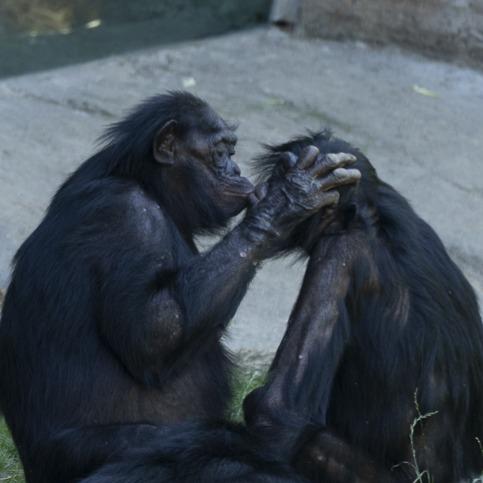
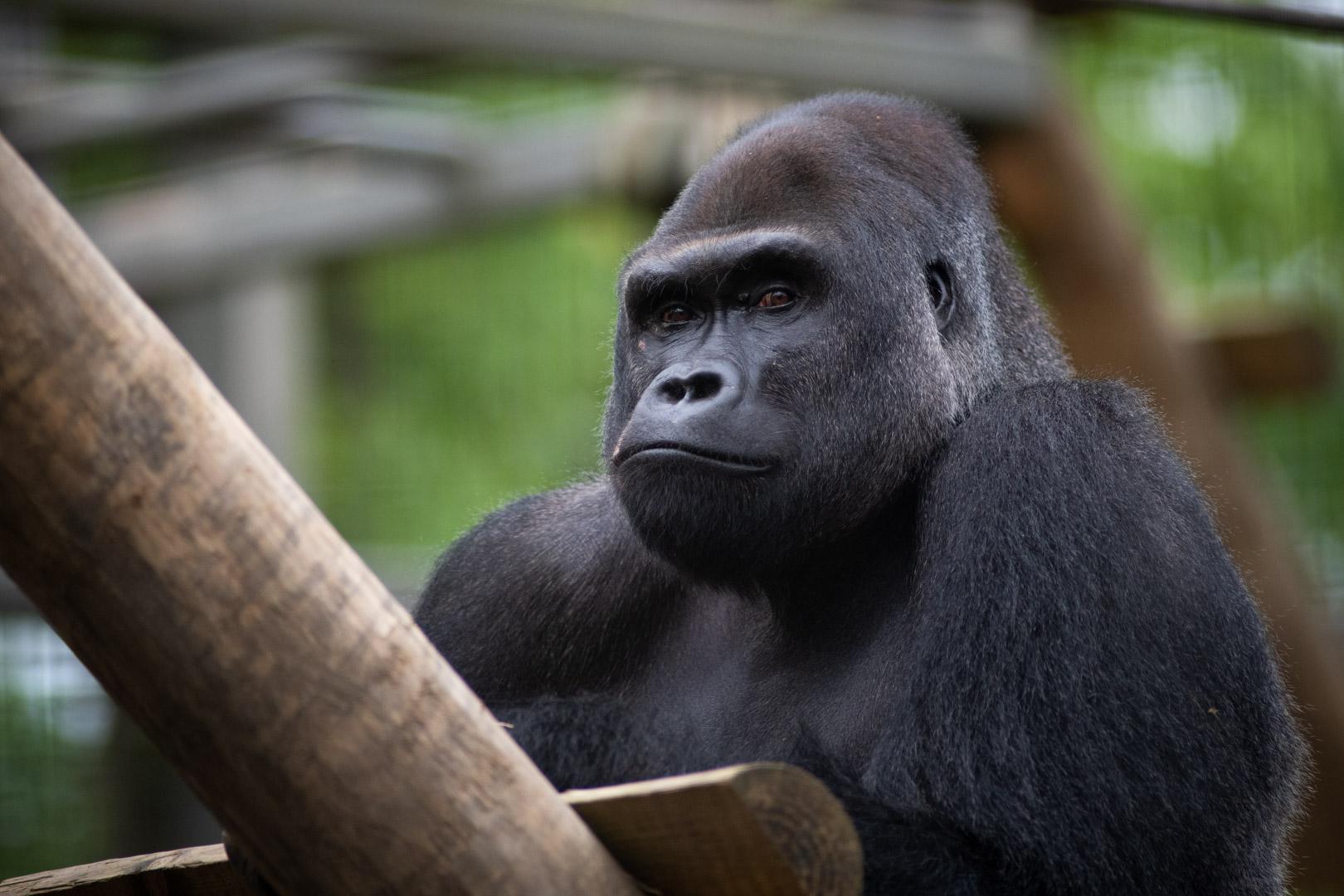
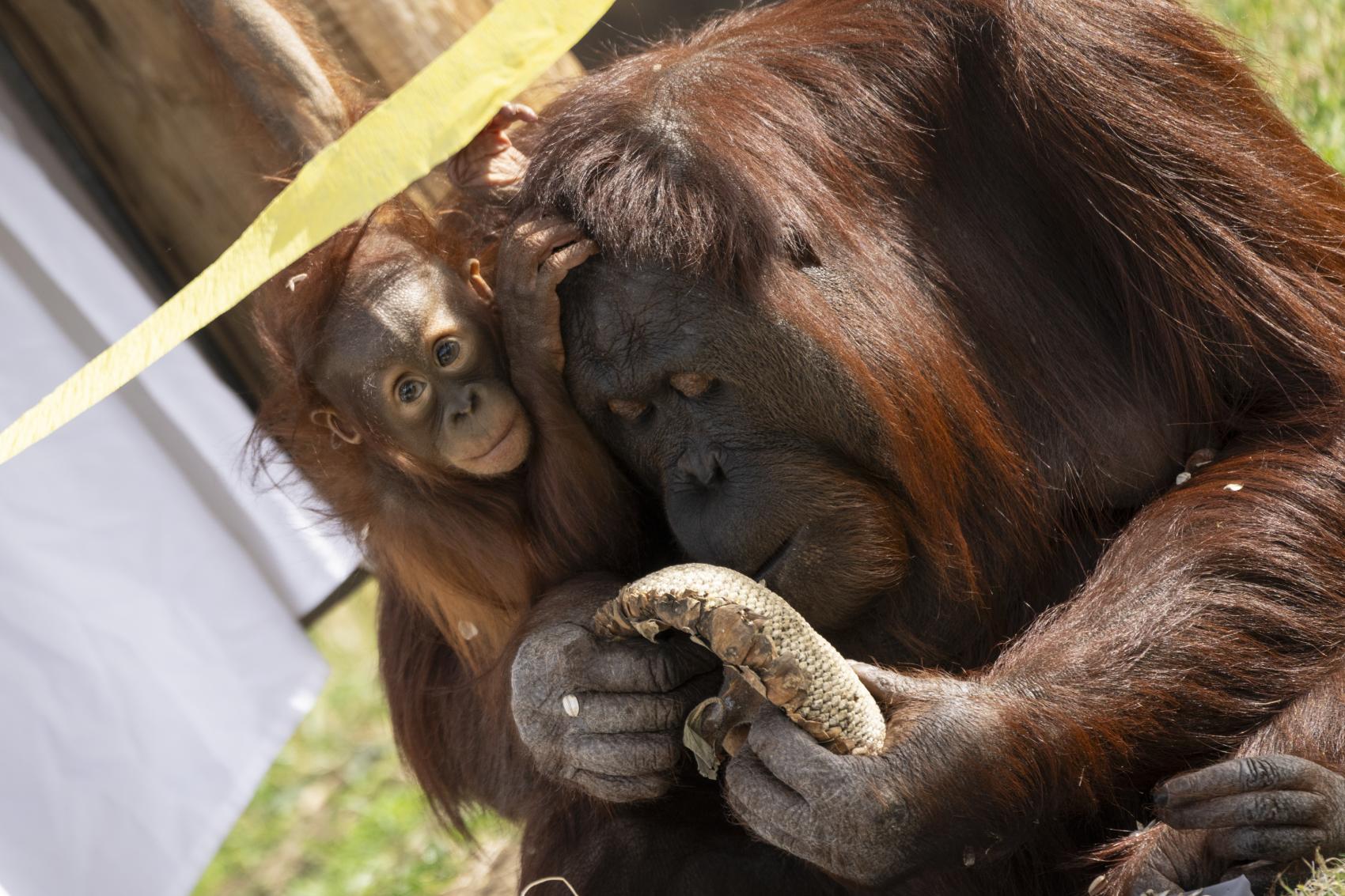
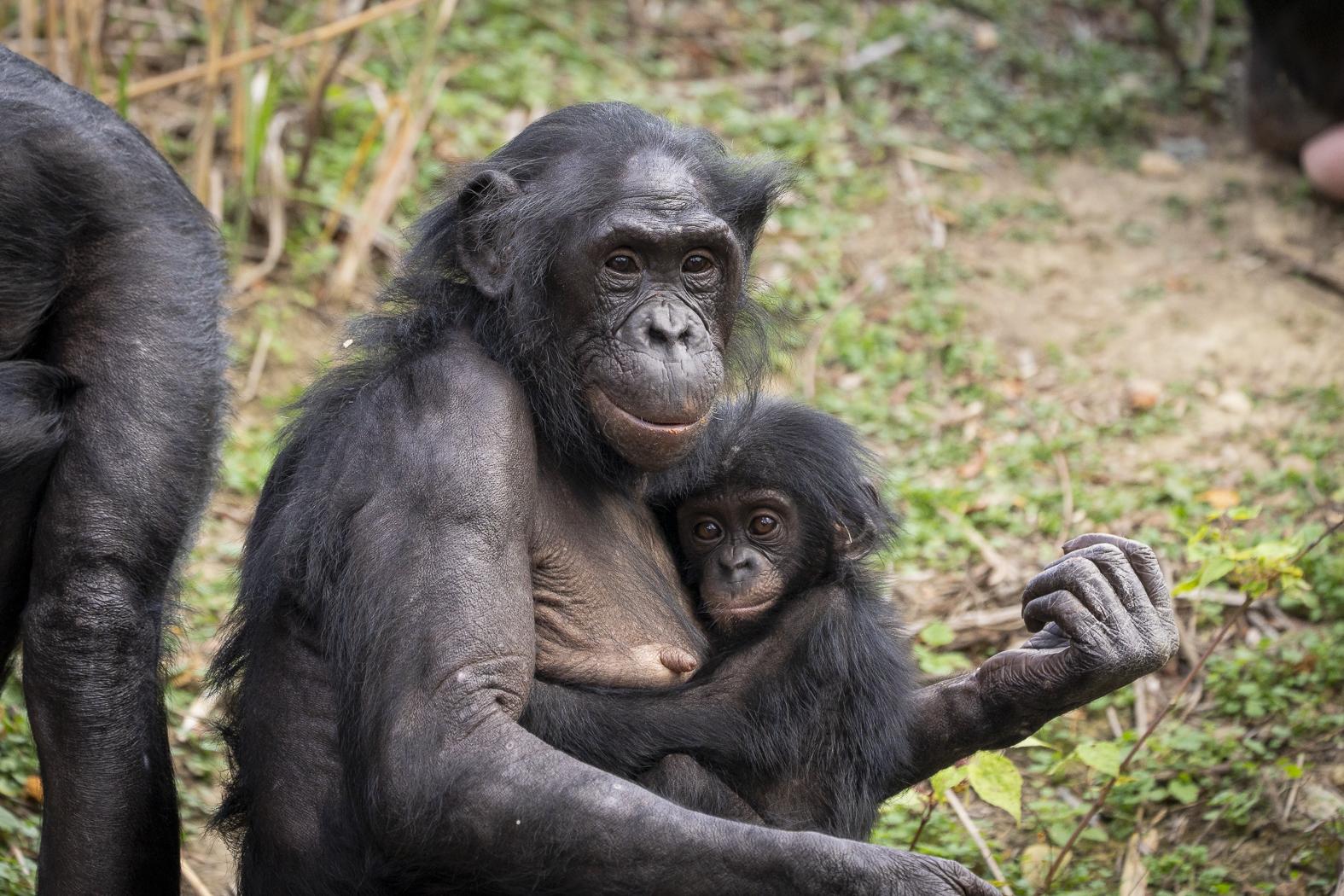
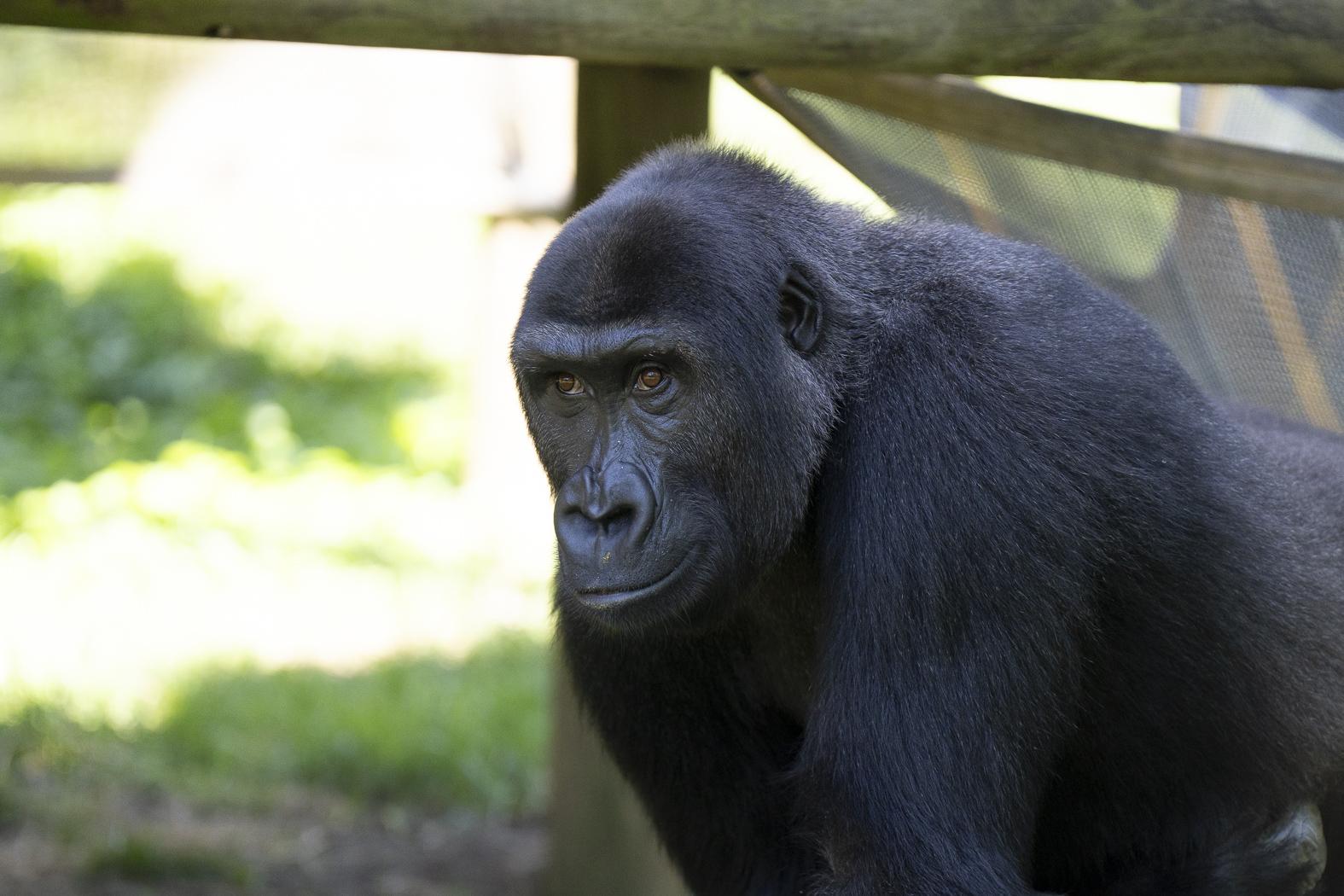
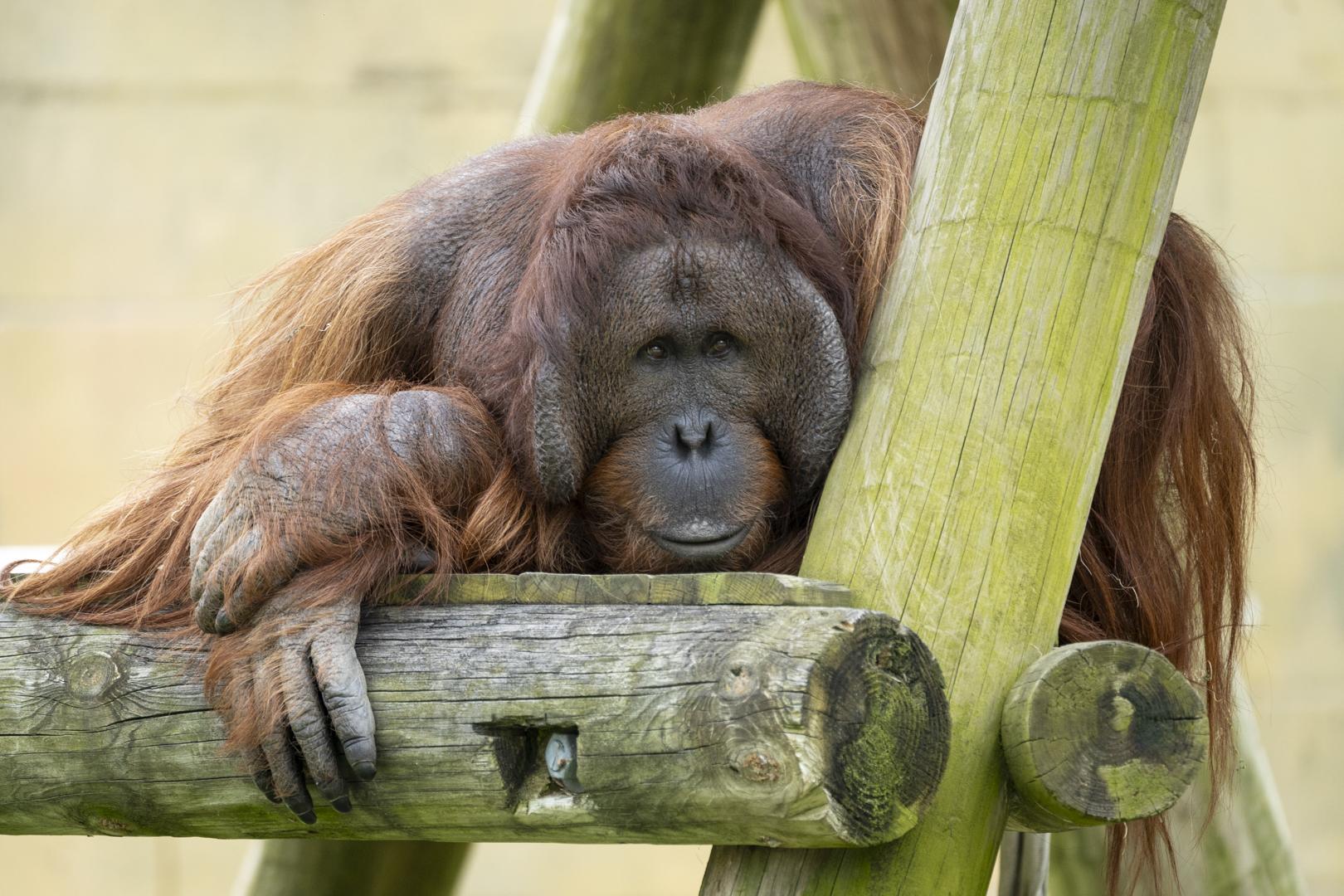
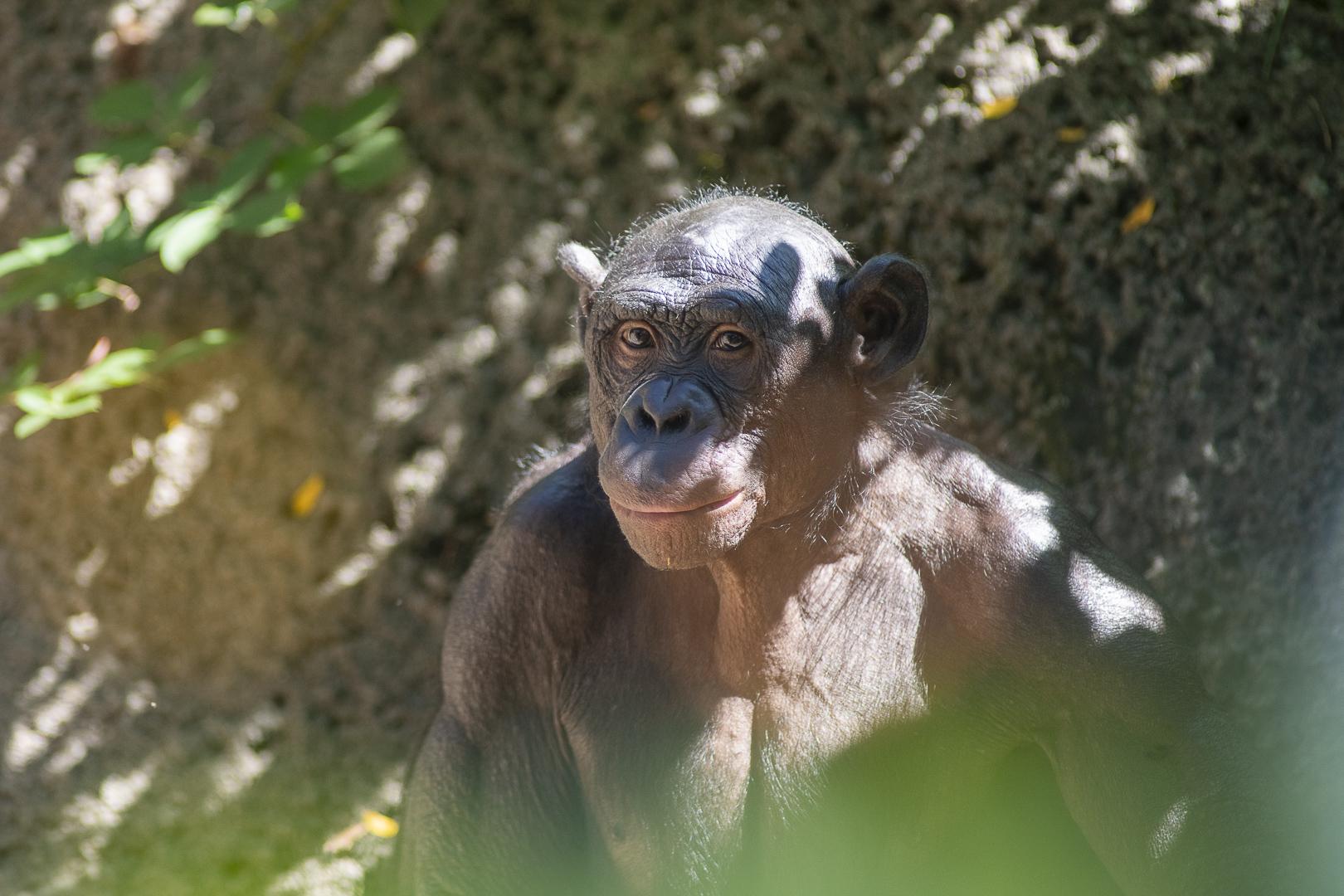
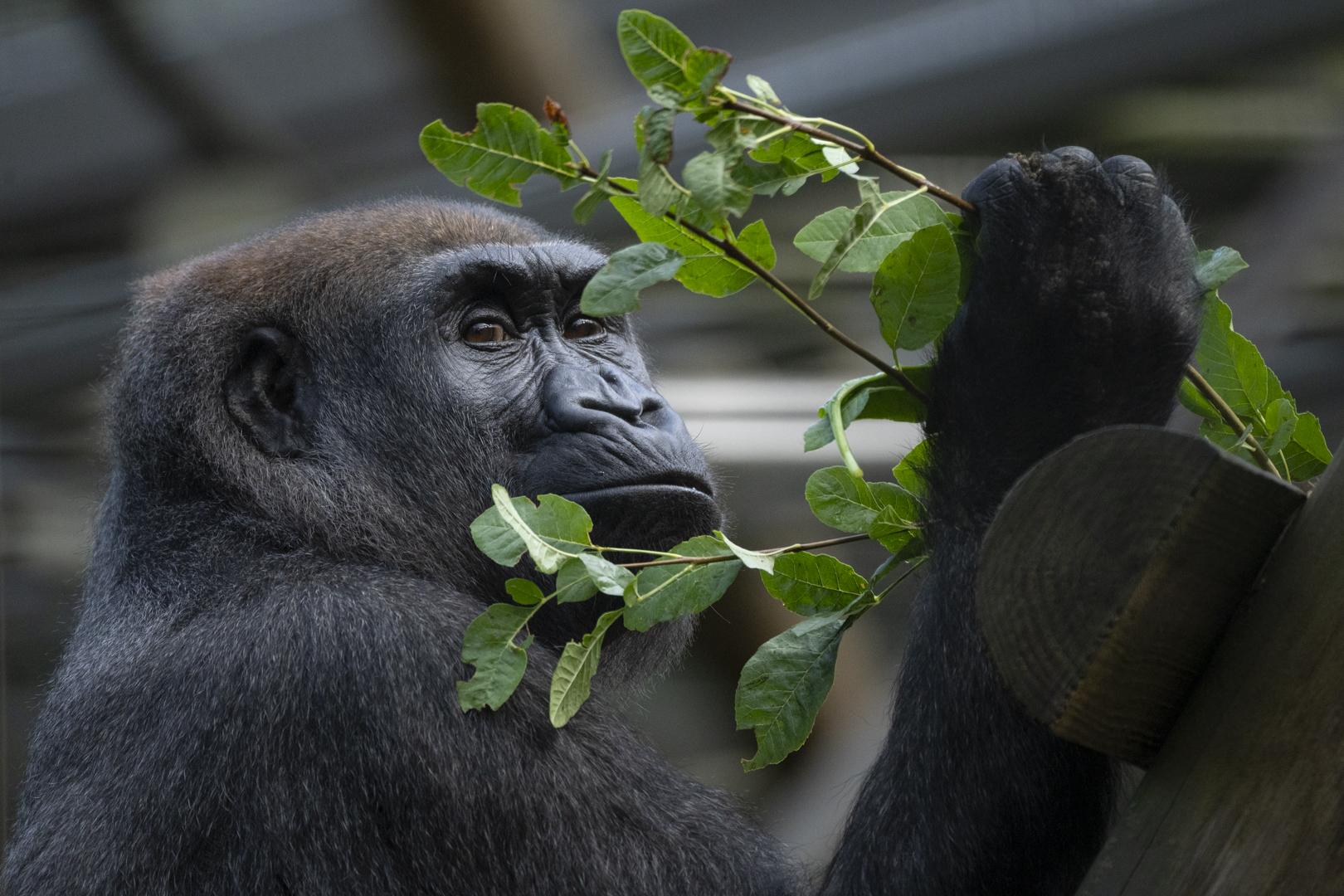
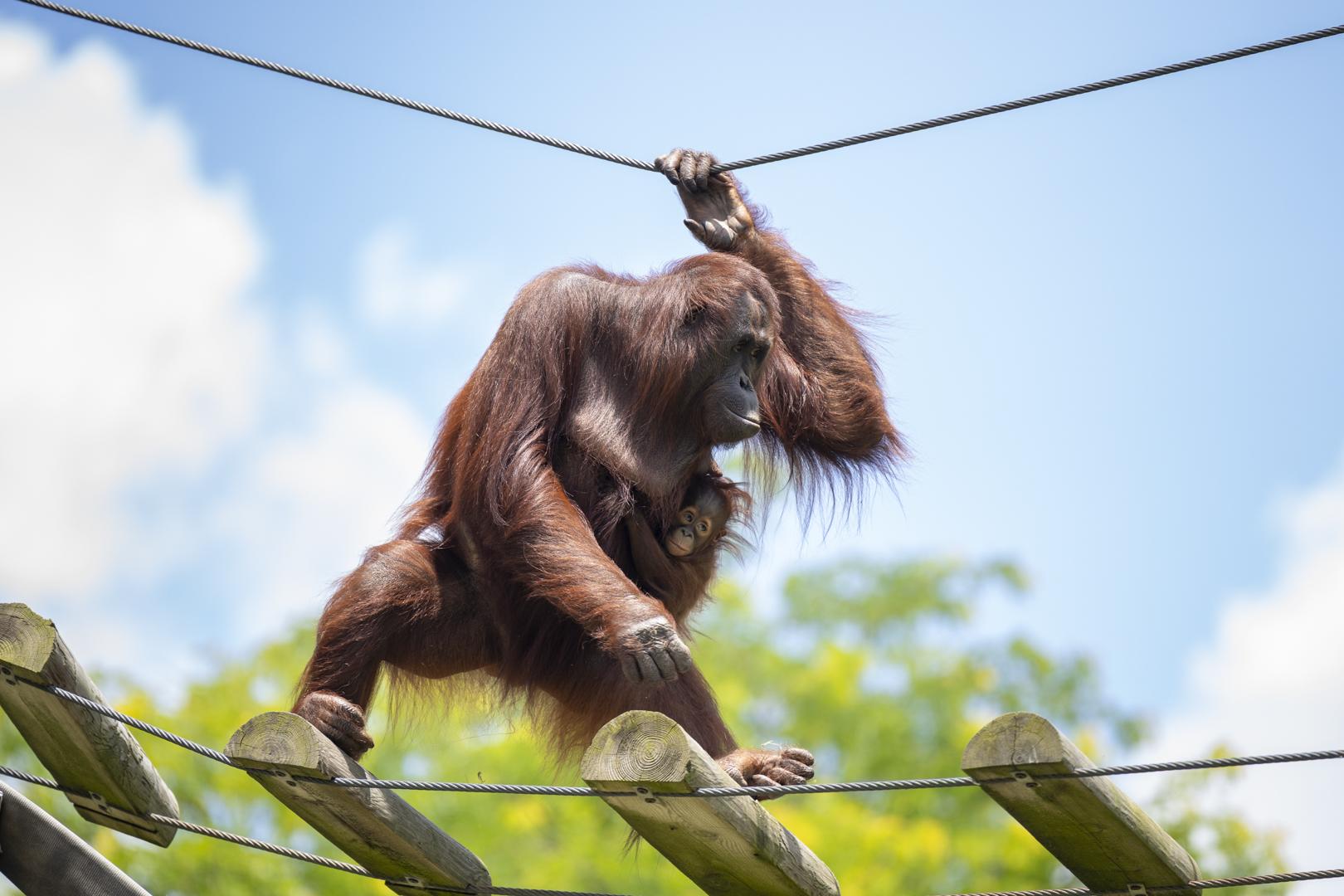
For years, heart disease has been one of the most serious health challenges facing great apes, both in their native ranges and in professional care.
What makes the Great Ape Heart Project, based at the Detroit Zoo, so groundbreaking is it changed how zoos around the world approach that challenge, bringing together zoo veterinarians, veterinary researchers, and even human cardiologists to better understand the hearts of gorillas, orangutans, chimpanzees, and bonobos. The collaboration first began when a small team of zoo and human medical experts recognized that solving ape heart disease would require the same kind of multidisciplinary approach used in human healthcare.
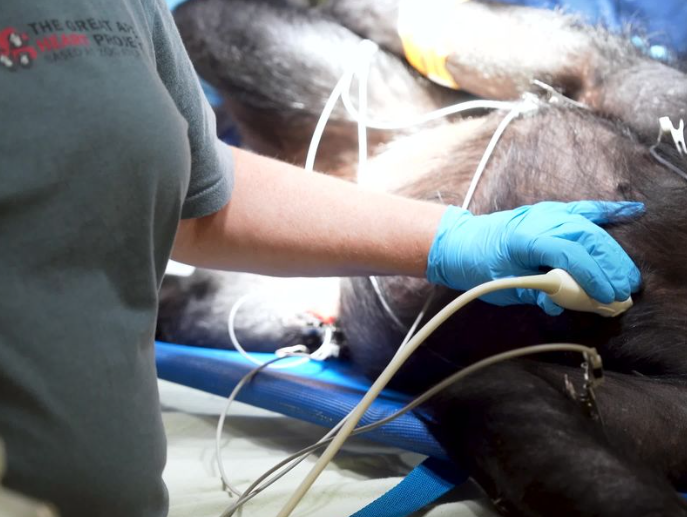
Because great apes share so much physiology with humans, many of the same diagnostic tools used in hospitals can also help guide their care. Echocardiograms, CT scans, implanted cardiac monitors, blood pressure checks, ECG readings, and medication management now play an important role in helping great apes live longer, healthier lives.
The Columbus Zoo and Aquarium has helped shape many of these advances through its long-standing partnership with the Great Ape Heart Project, contributing meaningful clinical insight, frequent cardiovascular data, and hands-on collaboration that continues to inform ape care across the zoological community.
Below, you’ll find the latest updates first, with earlier milestones and project history following beneath, making this page an ongoing timeline of progress.
Expanding Long-Term Monitoring and Leading the Field
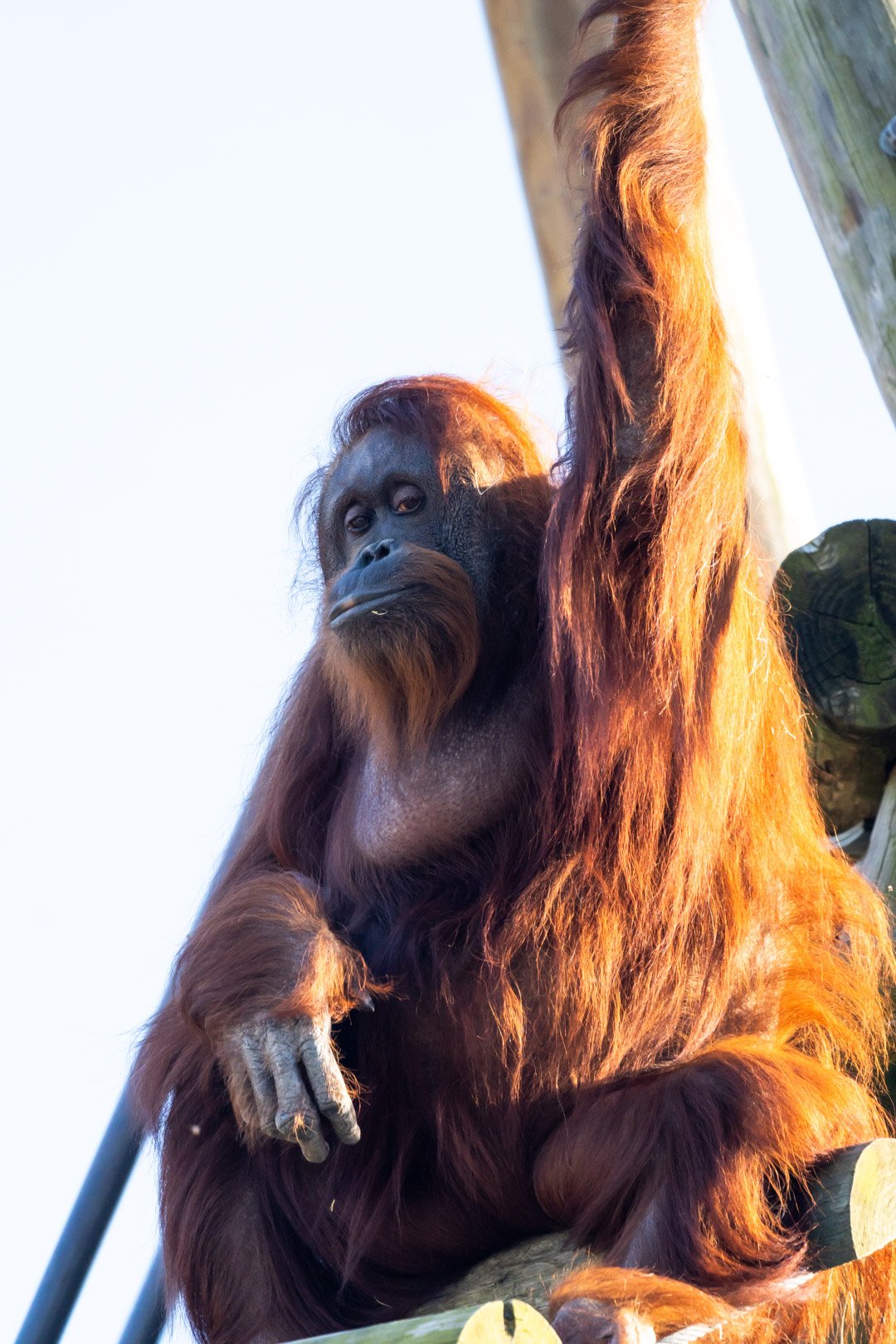
As the original cardiac monitoring devices placed in 2022 reached the end of their battery life in 2024, the Columbus Zoo’s veterinary and animal care teams entered an important new phase of the Great Ape Heart Project: using years of data to determine which apes would benefit most from continued long-term rhythm monitoring.
After two years of clinical insight, the team determined that continued implantable monitoring was no longer necessary for the Zoo’s two silverback gorillas and male orangutan, though all three continue receiving treatment for heart disease. For bonobo Jimmy and female orangutan Dumplin, replacement devices were placed in 2024 to continue closely tracking heart rhythms and guiding care decisions.
The project also expanded in 2024 as three bonobos, Jimmy, his son Donnie, and female Ana Neema, received implantable loop recorder (ILR) devices after moving into their new habitat. Ana Neema’s procedure marked a historic first as the first female bonobo known to receive this type of implant, an important milestone that reinforces how heart disease affects both male and female bonobos.
In October 2024, orangutan Dumplin also received a new ILR implant, with the team developing an innovative husbandry solution to safely access the device beneath her air sac during routine downloads, a creative example of how medical care and animal care expertise continue to evolve together.
That expertise now extends beyond Columbus. All of the Zoo’s newest implants were placed by Senior Veterinarian Dr. Priya Bapodra-Villaverde, who is now one of only a few specialists in the country performing these procedures in great apes and has been invited to support similar efforts at other zoological institutions.
The Zoo’s monitoring program continued to grow in fall 2025 with a fourth bonobo, Bila Isia, the son of Ana Neema, receiving an ILR device. Today, teams continue downloading data from these devices monthly, allowing for ongoing evaluation of heart rhythms, treatment effectiveness, and long-term cardiovascular trends.
Expanding Bonobo Heart Care Through Advanced Monitoring
A major milestone in the Great Ape Heart Project came when the Columbus Zoo’s Conservation Medicine team completed comprehensive cardiac evaluations for every bonobo in its care, deepening what is now one of the most robust great ape heart-monitoring programs in the zoological community.
This phase of the work combined advanced imaging, ongoing cardiovascular assessments, and the bonobos’ remarkable voluntary participation in their own care. Together, these efforts gave veterinary teams a clearer understanding of how heart disease progresses, how individuals respond to treatment, and how care plans can be adjusted over time.
One of the most meaningful outcomes from this period was measurable improvement in several bonobos already being treated for cardiac disease, including reversal of structural heart changes in five individuals. These results reflected not only the strength of the collaborative research effort, but also the precision and consistency of the Zoo’s long-term medical management.
The addition of continuous rhythm monitoring during this stage further strengthened the team’s ability to evaluate heart health trends, fine-tune medications, and contribute valuable data that continues to inform great ape cardiac care well beyond the Columbus Zoo.
One Year of Data Deepens Great Ape Heart Care
One year into this groundbreaking work, continuous cardiac monitoring was beginning to reveal insights that traditional exams alone could not capture.
Long-term rhythm data gave the Columbus Zoo’s Conservation Medicine and Animal Care teams a clearer understanding of how heart rates fluctuated over time, including overnight changes and subtle rhythm shifts that helped guide more precise medication strategies. This marked an important progression from one-time assessments to a more complete, individualized view of each great ape’s ongoing heart health.
This phase also strengthened the Zoo’s growing expertise in the day-to-day management of advanced cardiac monitoring. Teams refined best practices for consistent data collection, individualized positioning, and voluntary participation behaviors, helping establish a sustainable care routine that prioritized both animal comfort and high-quality clinical insight.
As the body of knowledge expanded, so did its impact. Insights from this milestone helped inform broader collaborative studies, supporting the continued advancement of great ape cardiac care across zoos.
Building the Daily Rhythm of Advanced Heart Monitoring
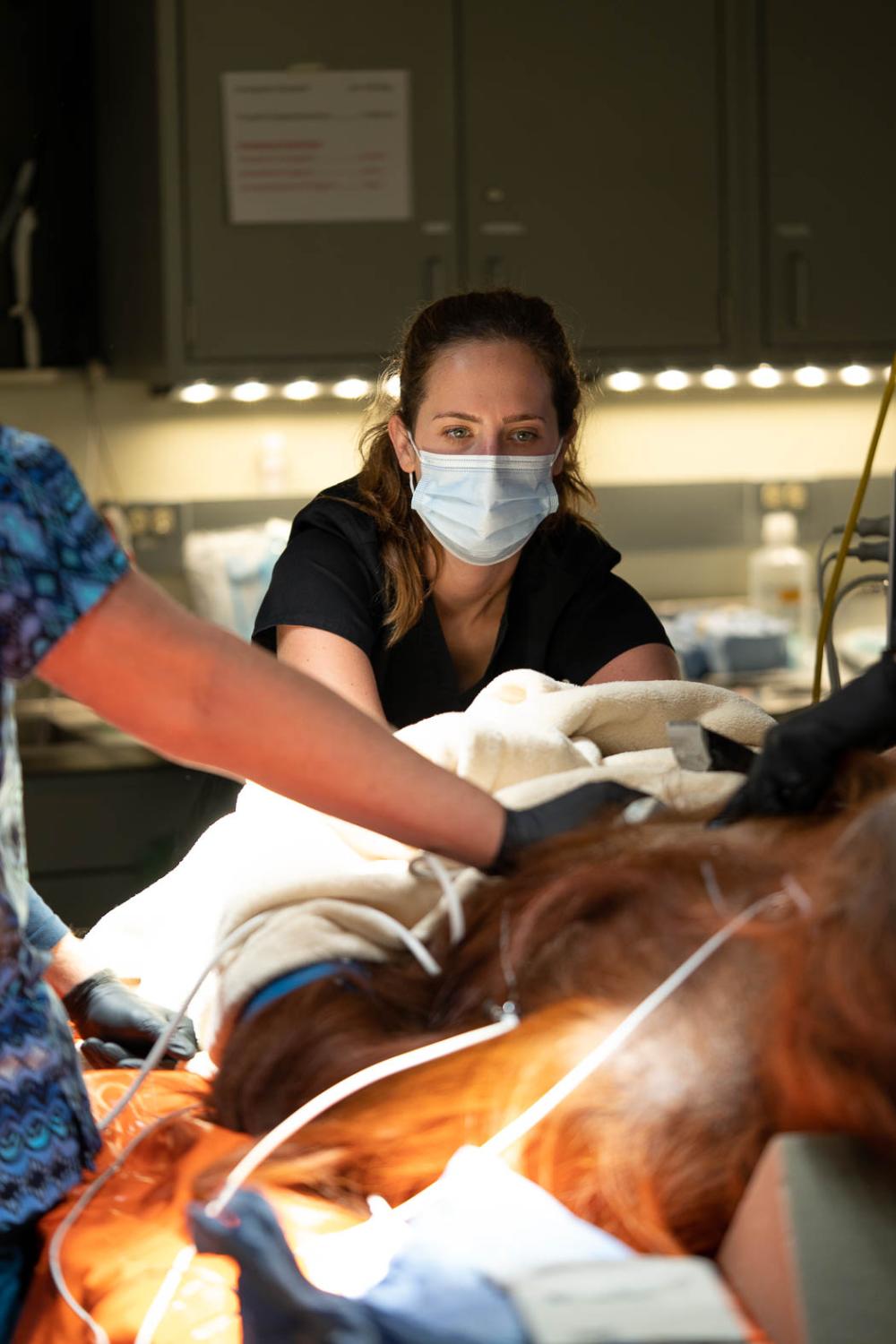
Several months into the project, the Columbus Zoo’s Conservation Medicine and Animal Care teams had established a steady routine of weekly heart monitoring, creating the foundation for long-term great ape cardiac care.
At this stage, teams were consistently collecting heart-rate data and reviewing information from the implanted devices, with early results remaining encouraging across the monitored apes. More importantly, this period marked the development of the repeatable care practices that would support the project’s long-term success.
A key milestone during this phase was the continued advancement of individualized voluntary behaviors that allowed each ape to comfortably participate in routine monitoring. Through trust-based training, animals learned specific body positions that helped teams collect clear, reliable readings while minimizing stress and maintaining comfort.
These daily husbandry behaviors became a defining strength of the program, combining relationship-based animal care with advanced cardiovascular science and laying the groundwork for the deeper clinical insights that followed.
A Historic Beginning for Great Ape Cardiac Monitoring
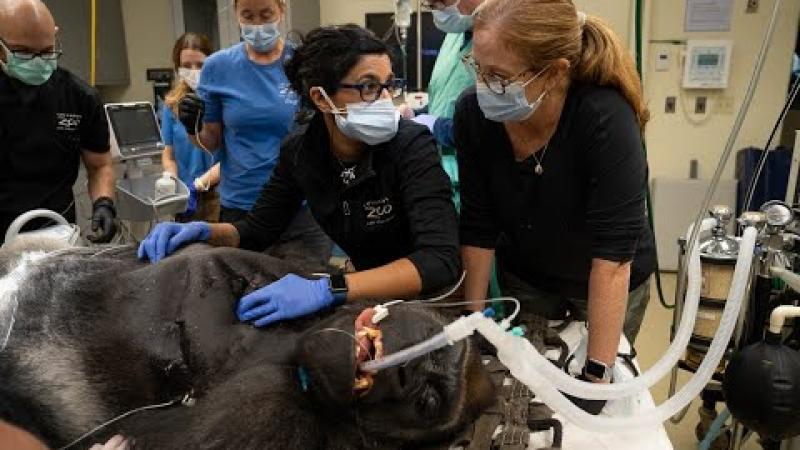
This pivotal chapter began when six great apes in the Zoo’s care were identified with progressive heart disease, creating an opportunity to advance how these conditions could be monitored and managed.
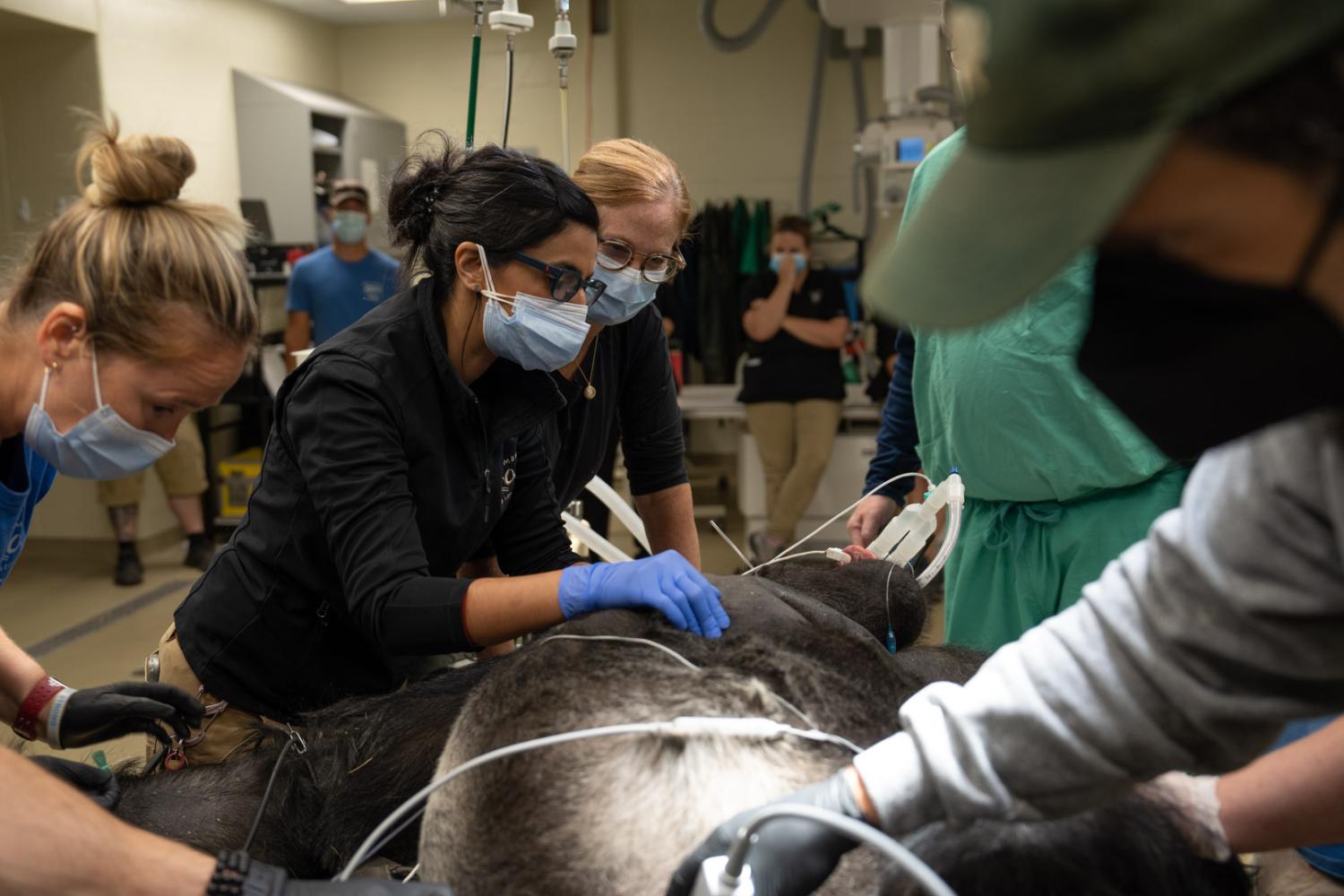
Over three days, the Columbus Zoo convened veterinary specialists, physicians, anesthesiology experts, and Great Ape Heart Project collaborators for a groundbreaking series of procedures that introduced continuous cardiac monitoring for orangutans, gorillas, and, for the first time anywhere, bonobos.
The introduction of implantable monitoring technology marked a major advancement in great ape medicine, making it possible to track heart rhythms over time, detect changes earlier, and guide more informed treatment decisions for conditions that can otherwise remain hidden until later stages.
This milestone laid the foundation for the years of clinical insight, refined care practices, and collaborative progress that followed, with lessons from the work continuing to help shape cardiac care strategies for great apes across the zoological community.
Check back for future updates as this work continues to shape the future of great ape cardiac care.
Learn More about Bonobos Meet the Bonobos at the Columbus Zoo