Sibling Asian elephant calves, Rita Jean and Oliver, have reached an important healthcare milestone, and the science behind it could help elephants around the world.
If you've visited the Columbus Zoo recently, you may have spotted two of the youngest members of our Asian elephant herd: Rita Jean and Oliver.
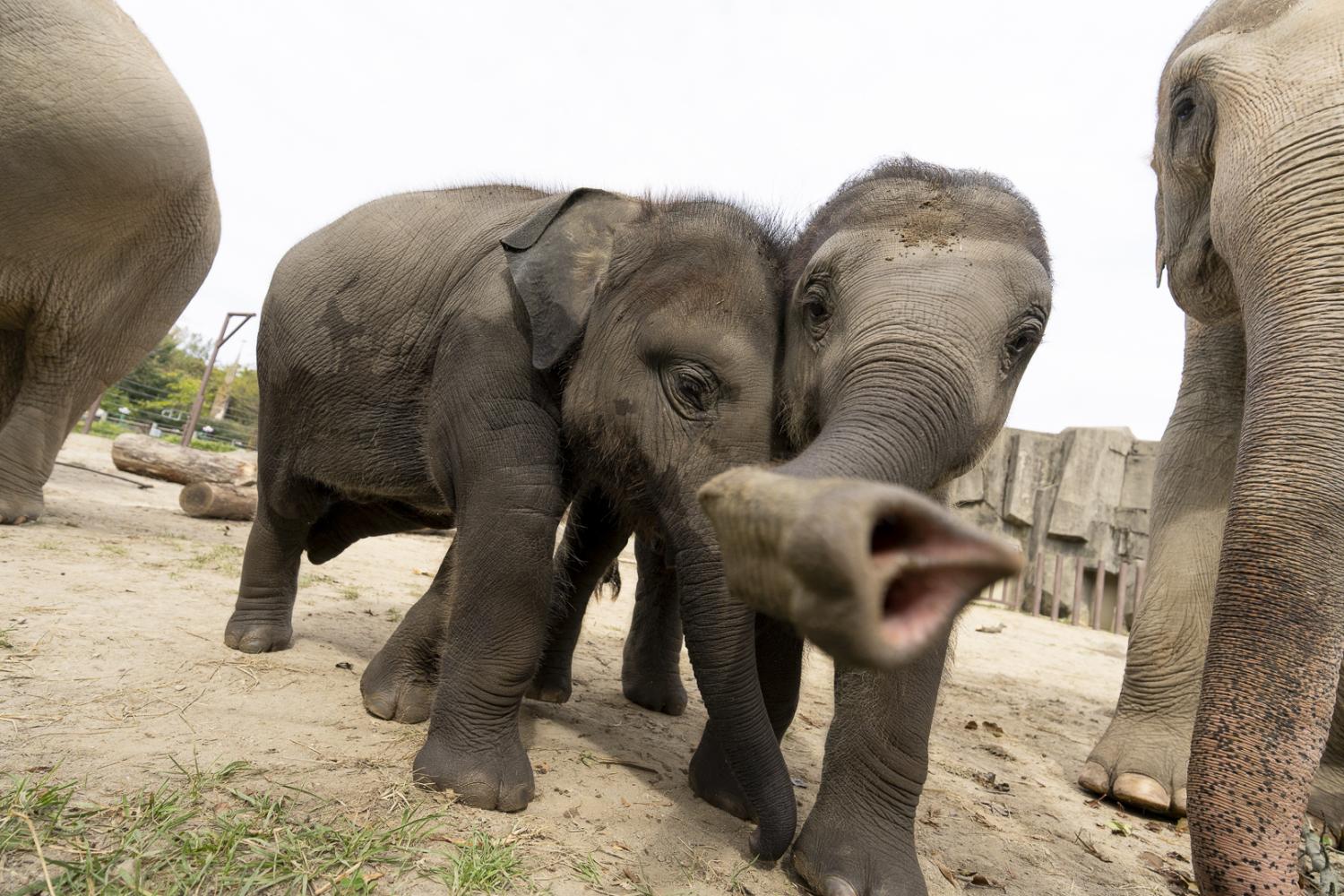
There's plenty to enjoy about watching young elephants grow. From exploring their surroundings to learning from the adults in their herd, every stage brings something new. But behind the scenes, our Animal Care and Conservation Medicine teams are focused on another important part of growing up: maintaining the calves’ great health.
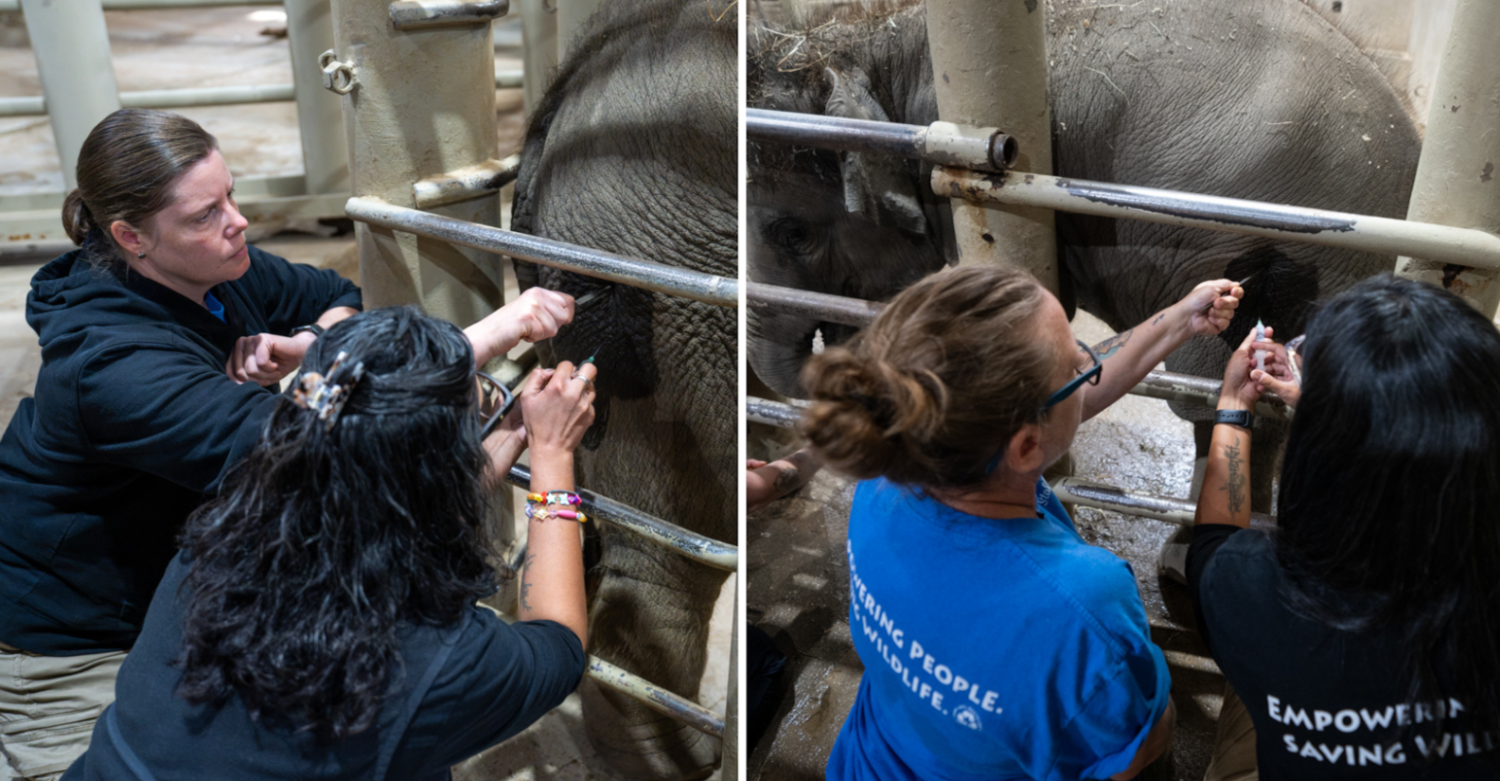
Both Rita Jean and Oliver have now received their first vaccines against Elephant Endotheliotropic Herpesvirus (EEHV), a virus that can cause serious illness in young elephants. It's an exciting milestone for both calves, and it's part of a much bigger story about how the Columbus Zoo is helping advance elephant healthcare and conservation.
What Is EEHV, and Why Is It So Serious?
EEHV is a naturally-occurring virus found in elephants. Many elephants carry the virus without becoming sick, but certain types can cause a dangerous illness, especially in young Asian elephants.
One of the biggest challenges is how quickly the disease can progress. An elephant may appear healthy before developing serious symptoms in a short amount of time. Young elephants are particularly vulnerable as the protective antibodies they receive from their mothers begin to decline.
And this isn't a challenge limited to elephants living in zoos. EEHV also affects elephants in the wild, making it an important concern for conservationists and veterinarians around the world. That's why researchers are working to better understand the virus, improve early detection, and develop ways to prevent serious illness.
A Tool to Help Protect Young Elephants
One of the most promising developments in this work is an EEHV vaccine.
Developed by researchers at Baylor College of Medicine, the vaccine is part of an ongoing effort to help protect young elephants from the disease. The Houston Zoo was the first zoological institution to administer it, and other institutions, including the Columbus Zoo, are now helping move this work forward.
Read how several zoos are protecting elephants from EEHV
Rita Jean, who was born in July 2025, received her first vaccine after celebrating her first birthday. Oliver, born just a few months later in October 2025, reached the same milestone after turning one.
While researchers continue to study how well the vaccine works and the protection it may provide, its development is an encouraging step forward. For Rita Jean and Oliver, vaccination adds another layer to the specialized healthcare they'll receive as they grow. For elephants everywhere, it represents another opportunity for scientists and veterinarians to learn more about preventing this disease.
Right Here in Columbus: A Laboratory Making a Difference
Did you know the Columbus Zoo has its own laboratory dedicated to EEHV testing? After the heartbreaking loss of a young elephant named Beco to EEHV in 2022, the Zoo expanded its efforts to better detect and respond to the virus. Today, our on-site laboratory gives our veterinary team the ability to test samples for EEHV without having to send them to an outside facility.
Why does that matter? Because with EEHV, every moment counts.
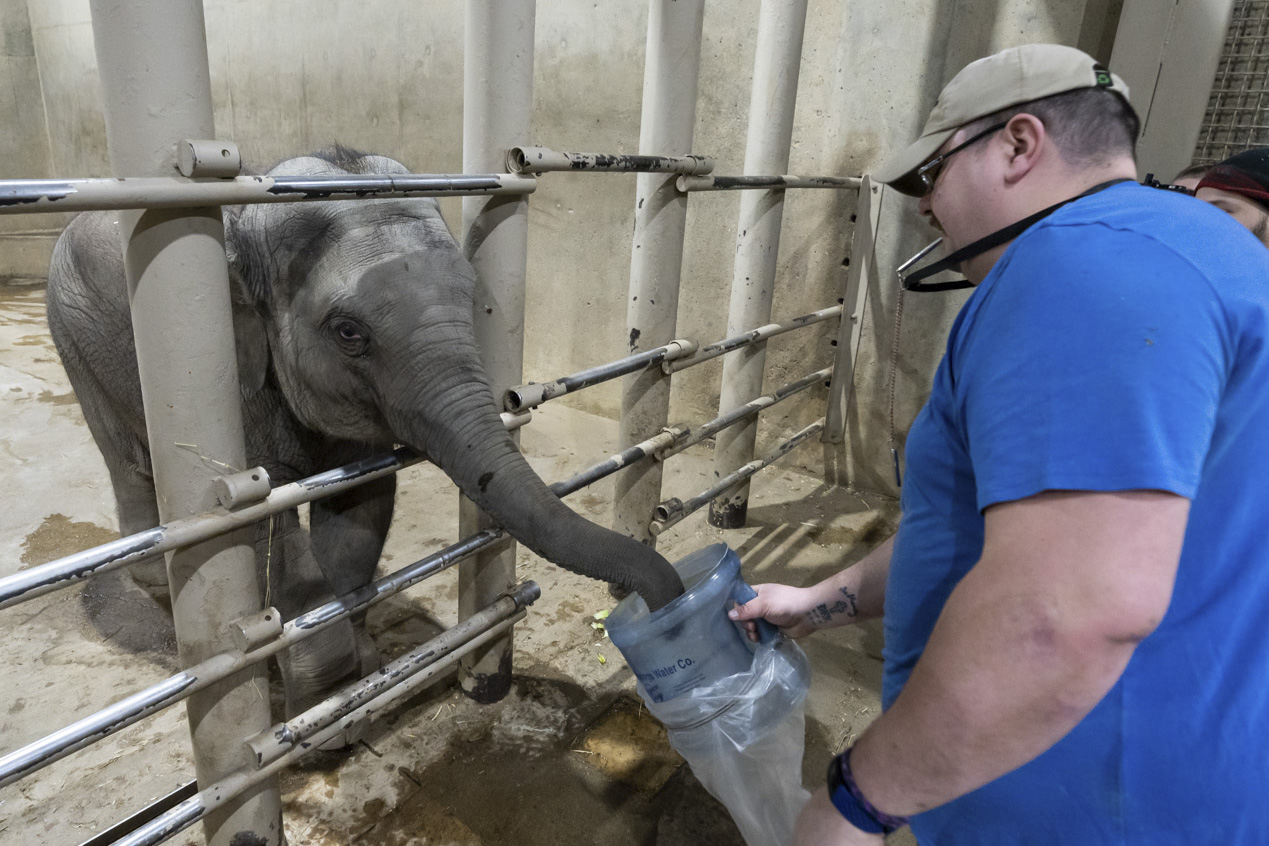
The virus can cause illness very quickly, so identifying signs of infection early gives veterinarians valuable time to respond. Our team regularly collects blood samples and trunk washes to monitor the elephants for signs of the virus. Using specialized testing equipment, they can look for viral DNA that may indicate an infection. It's an important part of keeping our herd healthy, and the knowledge gained through this work can help inform elephant healthcare at other zoological institutions.
What happens here in Central Ohio has the potential to help elephants far beyond our Zoo.
What Does a Harmonica Have to Do with Elephant Healthcare?
Quite a bit, actually!
Some of the most important parts of elephant healthcare begin with simple training sessions. At the Columbus Zoo, our Animal Care team uses positive reinforcement to teach elephants how to voluntarily participate in routine medical procedures. That includes everything from presenting a foot for examination to providing samples for diagnostic testing.
For example, Rita Jean and Oliver have learned to blow air through their trunks into a harmonica! It's an adorable behavior to watch, but it serves a very important purpose.
Learning to blow air through their trunks helps prepare the calves for a procedure called a trunk wash. During this process, a small amount of saline is introduced into an elephant's trunk, and the elephant blows it into a collection container. The sample can then be tested for EEHV.
Frankie, another young elephant in our herd, learned this behavior as a calf as well and continues to participate in trunk washes at five years old.
These training sessions take time, patience, and trust. They also allow our elephants to participate in their own healthcare, making routine procedures safer and less stressful. It's one of the many ways our Animal Care and Conservation Medicine teams work together to support the elephants every day.
Helping Elephants Beyond the Columbus Zoo
So, how does caring for Rita Jean and Oliver help elephants living thousands of miles away? The answer is collaboration. Zoos, veterinarians, universities, and conservation organizations share research and experience to improve how elephants are cared for and protected.
When researchers develop a new vaccine, institutions can help evaluate its use. When veterinary teams improve testing and monitoring methods, those advances can inform healthcare practices elsewhere.
And when animal care specialists develop effective ways to help elephants participate in medical procedures, those techniques can be shared with colleagues around the world.
The Columbus Zoo is part of this larger network of people working toward healthier futures for elephants.
EEHV remains a serious challenge, particularly for young Asian elephants. But advances in veterinary medicine, research, and preventative care are giving animal health professionals additional tools to address it.
Every discovery helps build a better understanding of the disease and brings new possibilities for protecting elephants, including those in their native habitats.
Come See Rita Jean and Oliver Grow!
One of the joys of visiting the Columbus Zoo is getting to know the animals throughout their lives.
Rita Jean and Oliver are growing up alongside an experienced elephant herd, learning new behaviors and exploring the world around them. And while you may never see a laboratory test or veterinary examination during your visit, those efforts are an important part of their everyday care.
The next time you stop by the elephant habitat, take a moment to watch how the calves interact with their herd. Think about the people, science, and conservation partnerships working behind the scenes to help give them a healthy future. Their first EEHV vaccinations are an important milestone, and we're excited to continue sharing their progress as they grow. Because the work happening here at the Columbus Zoo today could help protect the next generation of elephants around the world.
Learn More about Elephants at the Zoo Upgrade to a Tour: Meet an Elephant Calf