Where grocery lists are measured in tons, diets are tailored to individuals, and yes, sometimes food gets glitter.

Become a Zoo Member!
Unlimited visits all year long, free parking, and more.


Today's Hours: 10am - 5pm
Where grocery lists are measured in tons, diets are tailored to individuals, and yes, sometimes food gets glitter.
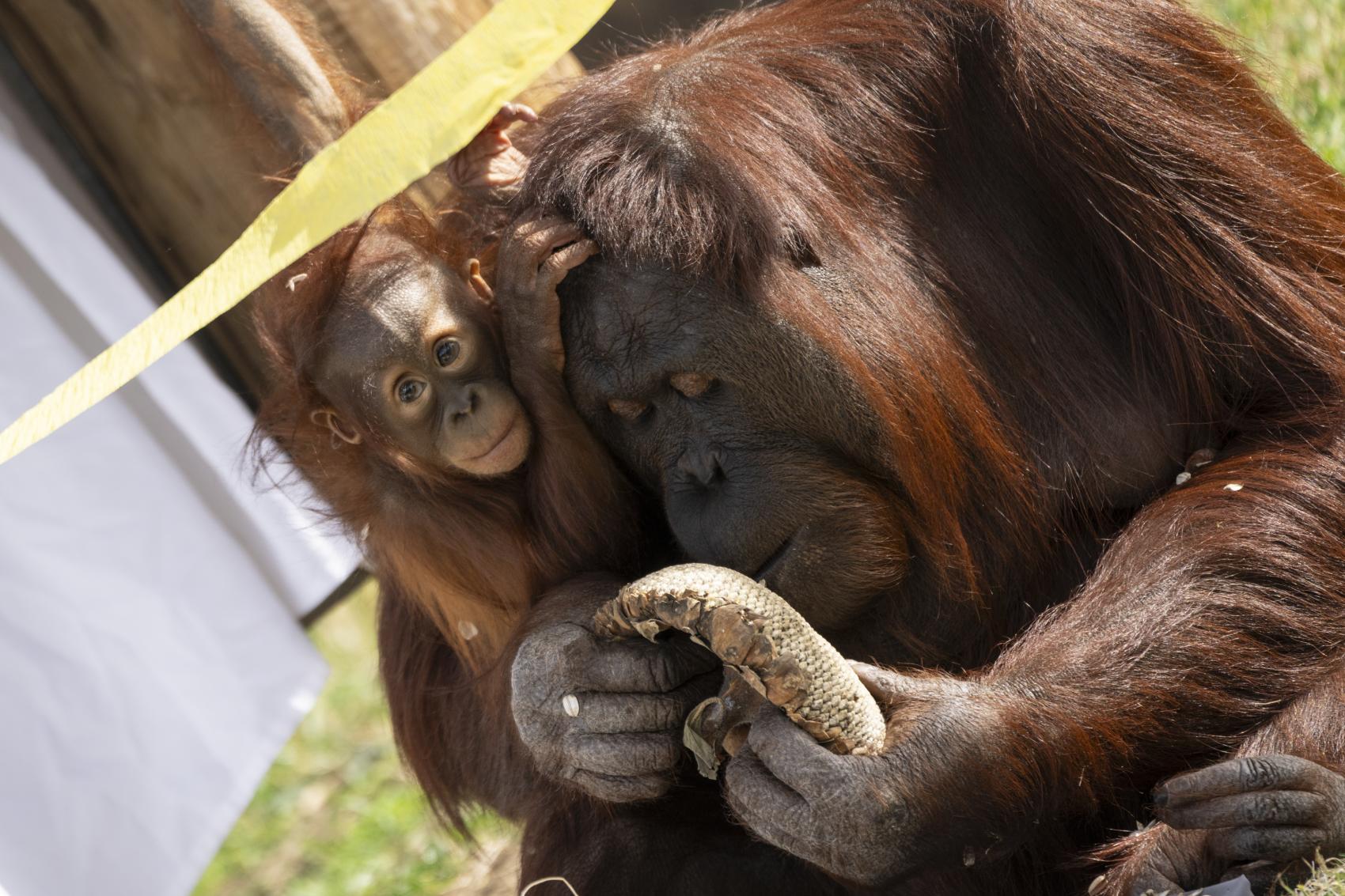
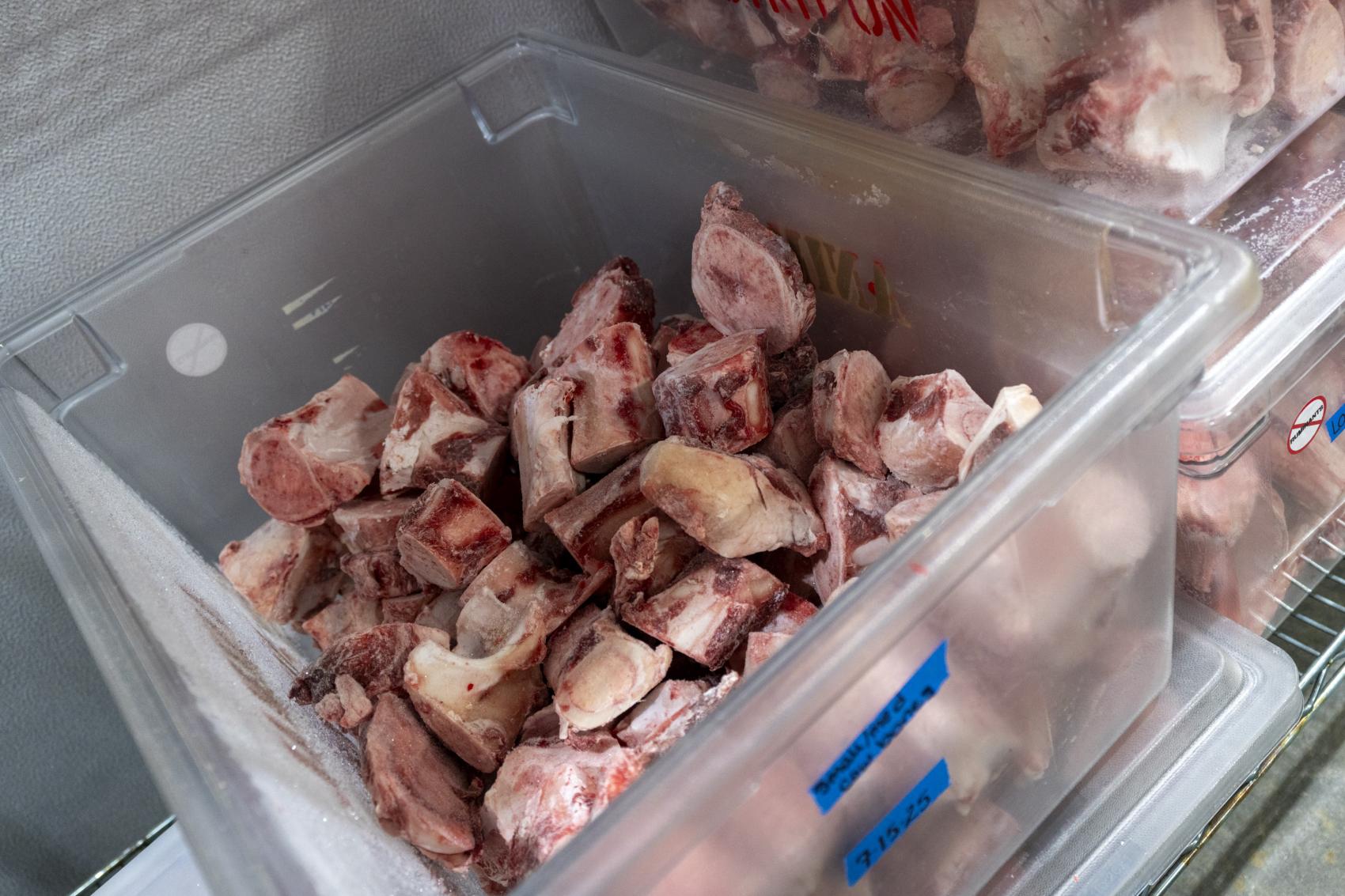
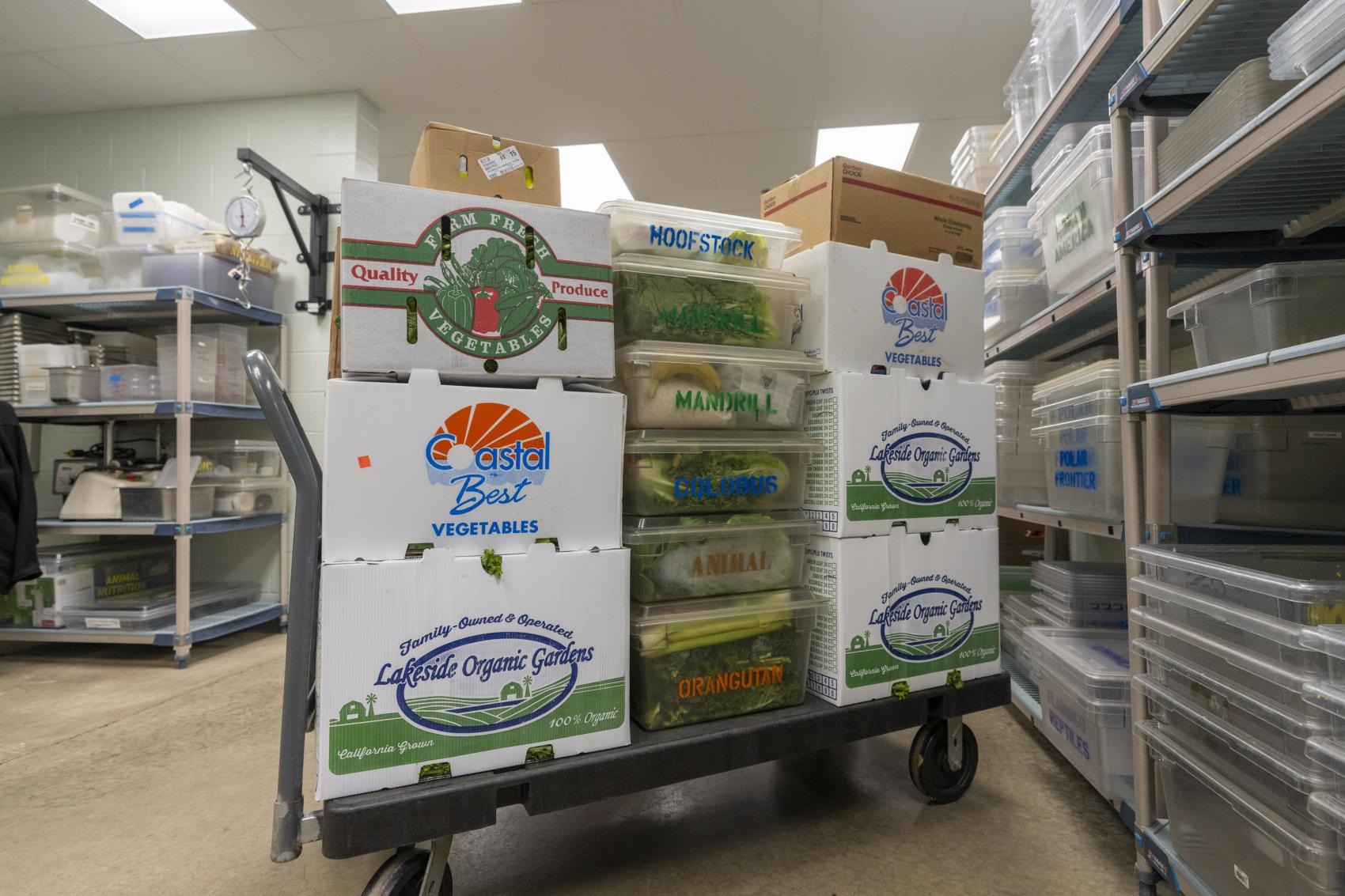
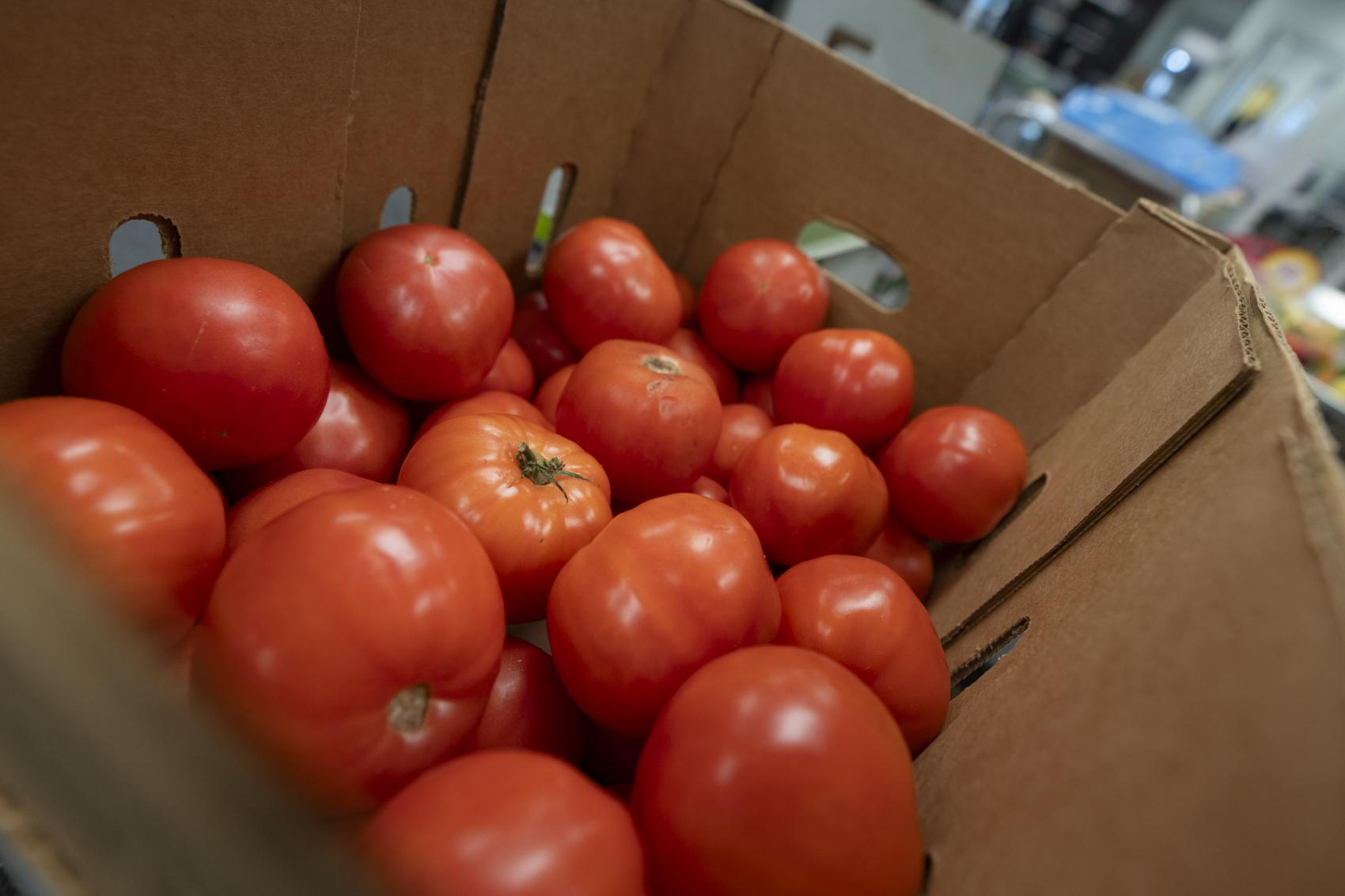
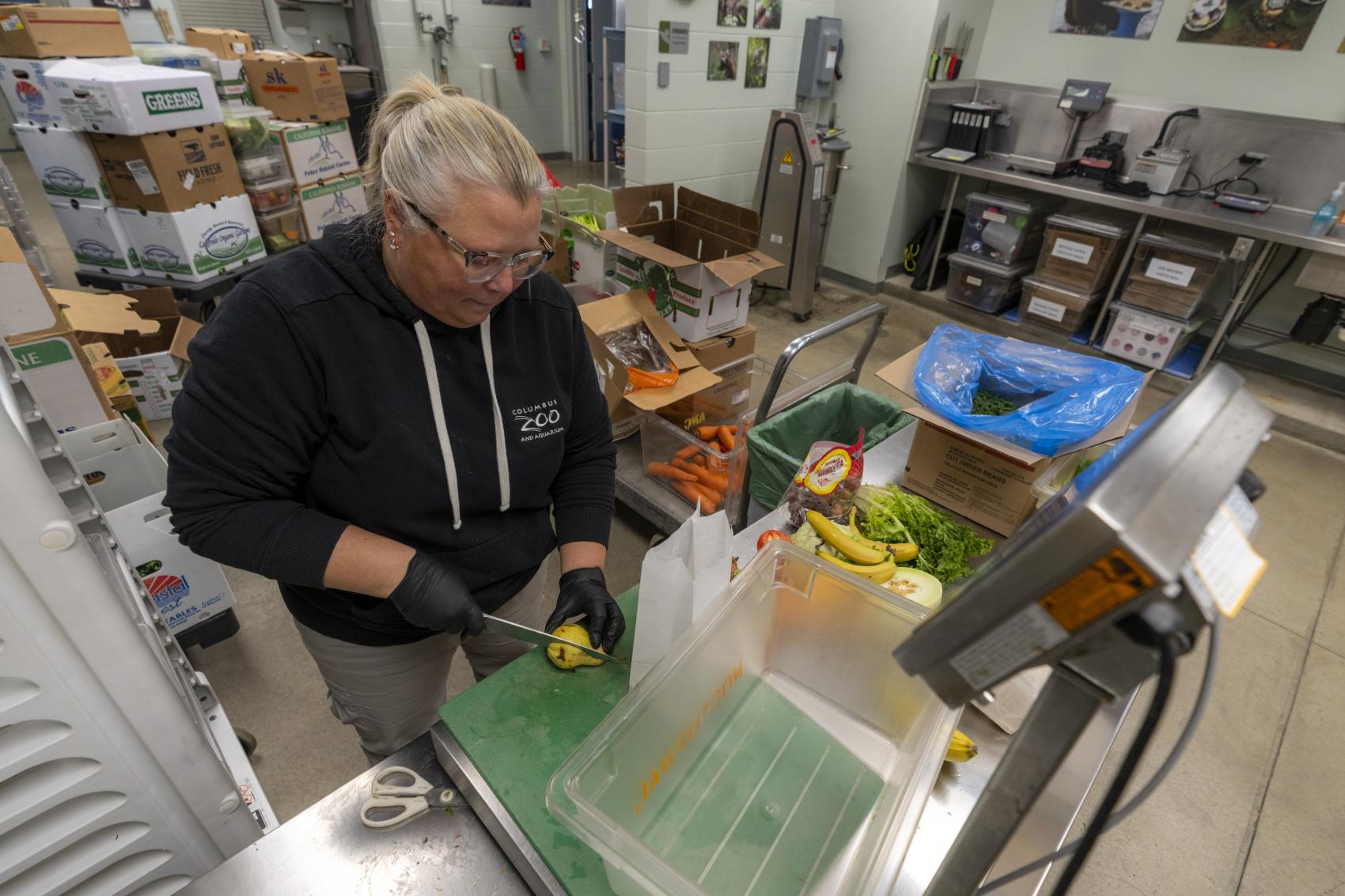
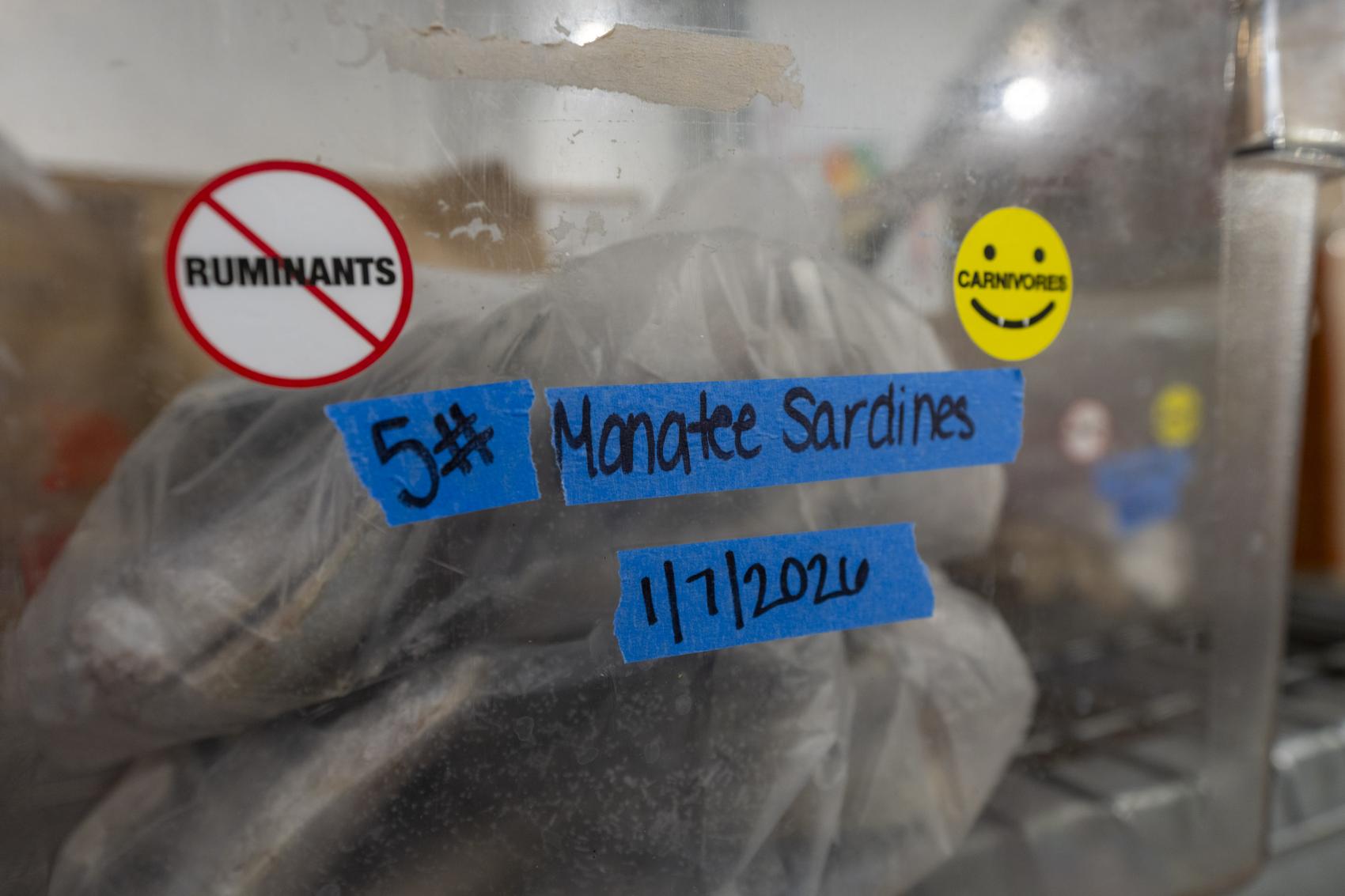
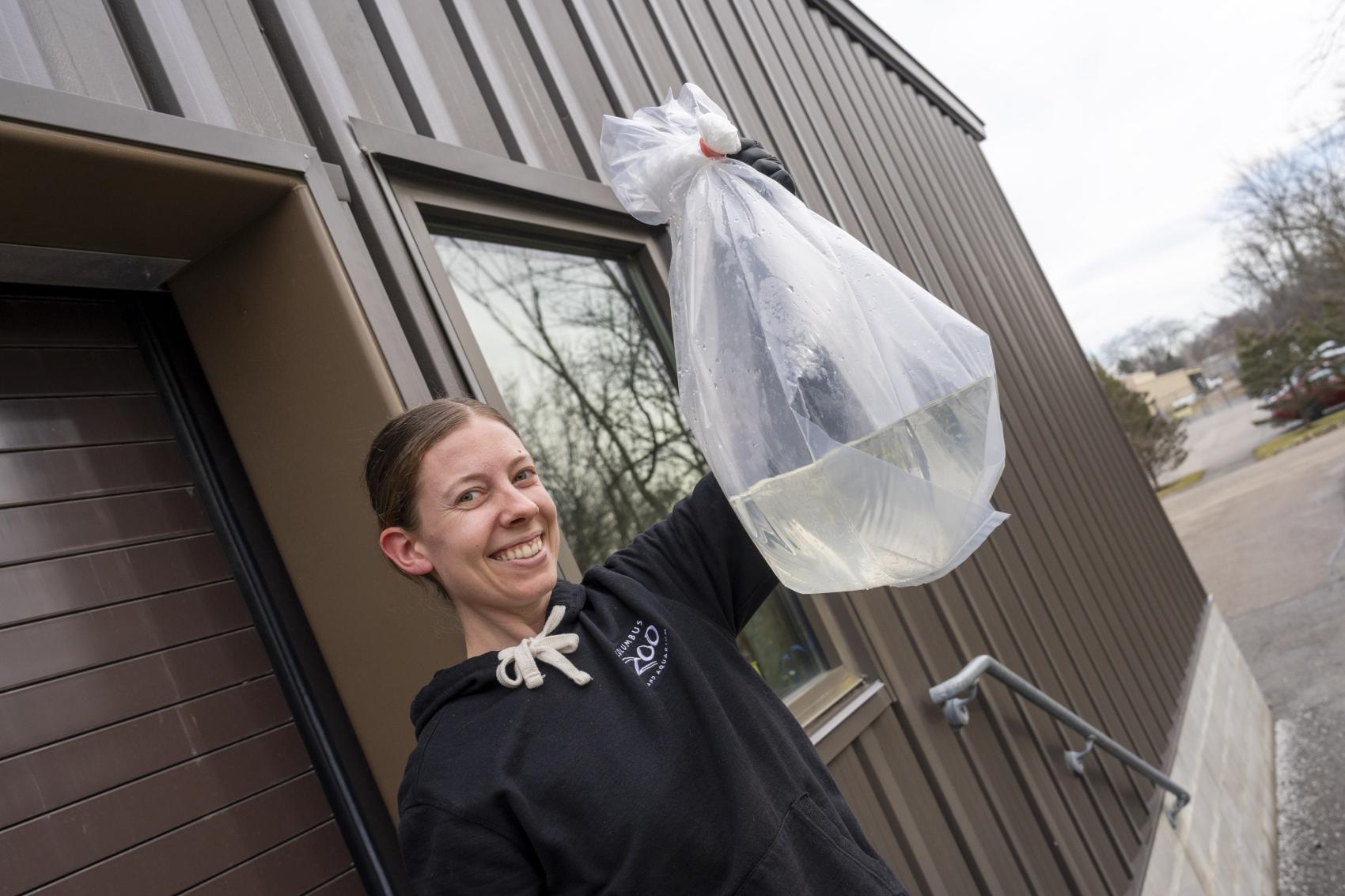
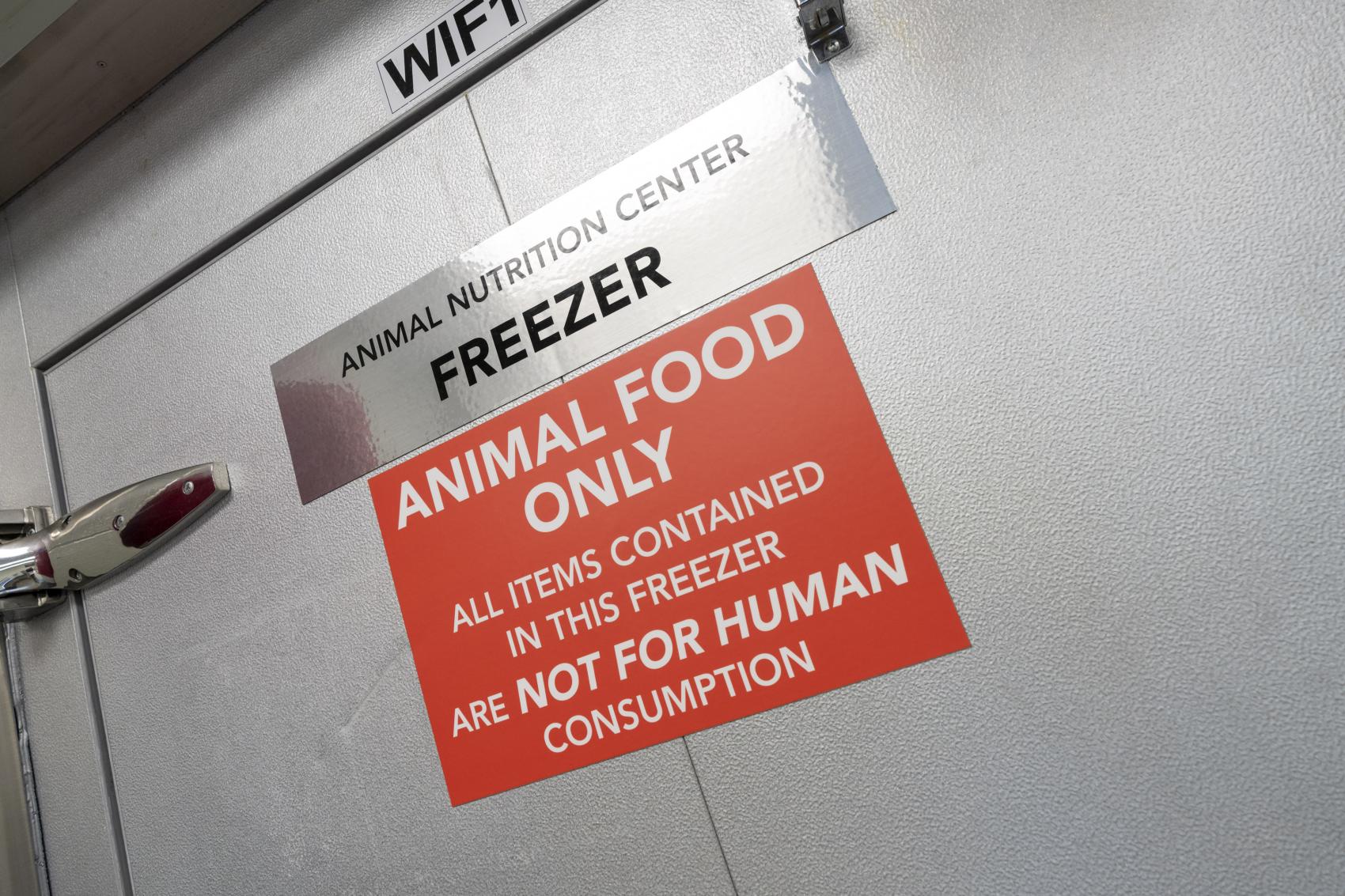
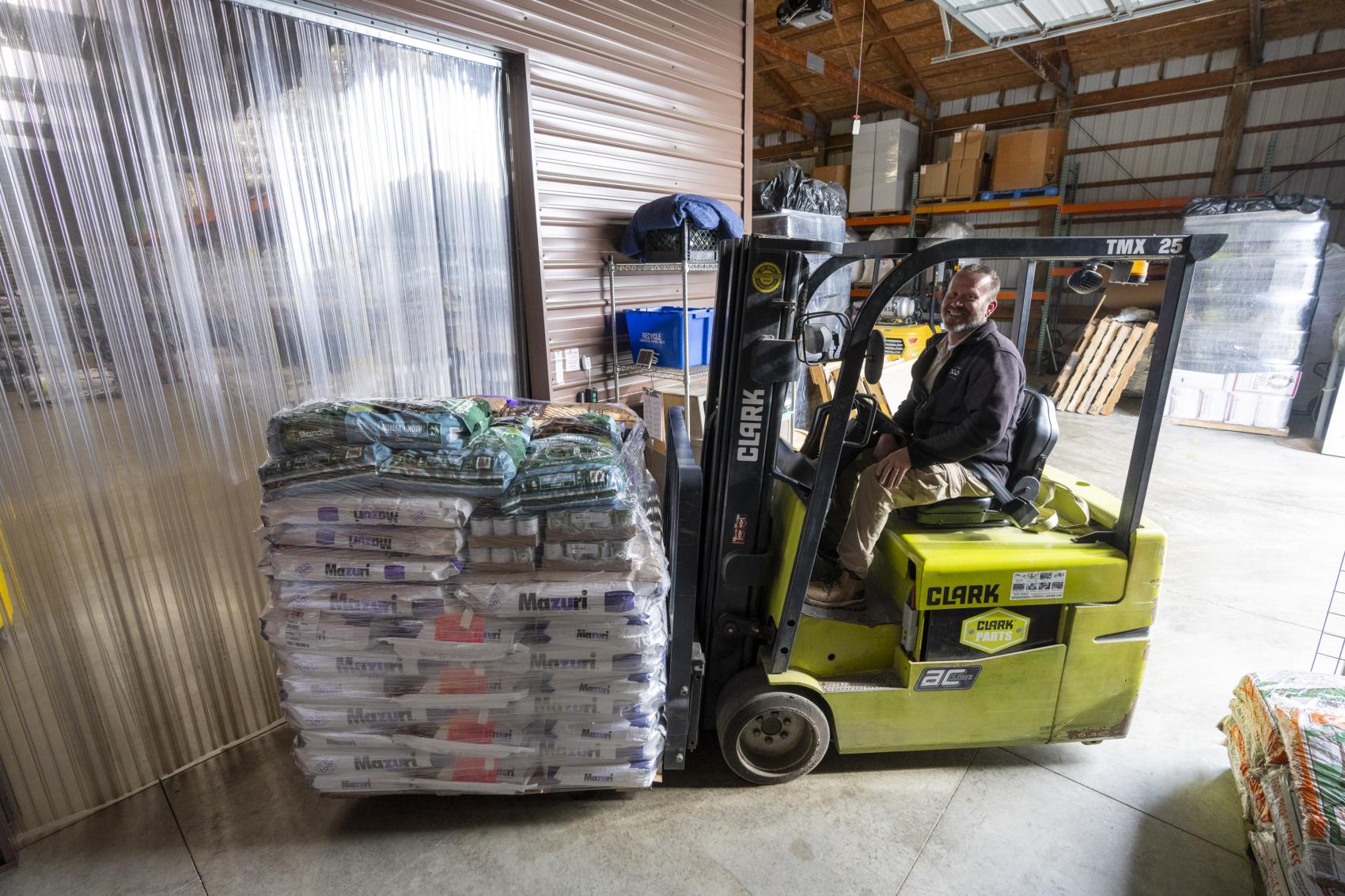

If you’ve ever watched an animal at the Columbus Zoo and Aquarium enjoy a meal and thought, “That looks simple enough,” this blog is for you.
Because behind every pumpkin crunch, fish toss, eucalyptus branch, or frozen “cake” is a team whose entire job revolves around one question:
What does this animal need to thrive today?
Welcome inside the Animal Nutrition Center, one of the most quietly impressive operations at the Columbus Zoo.
Let’s start with the humans.
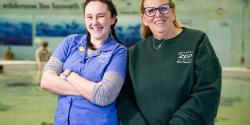
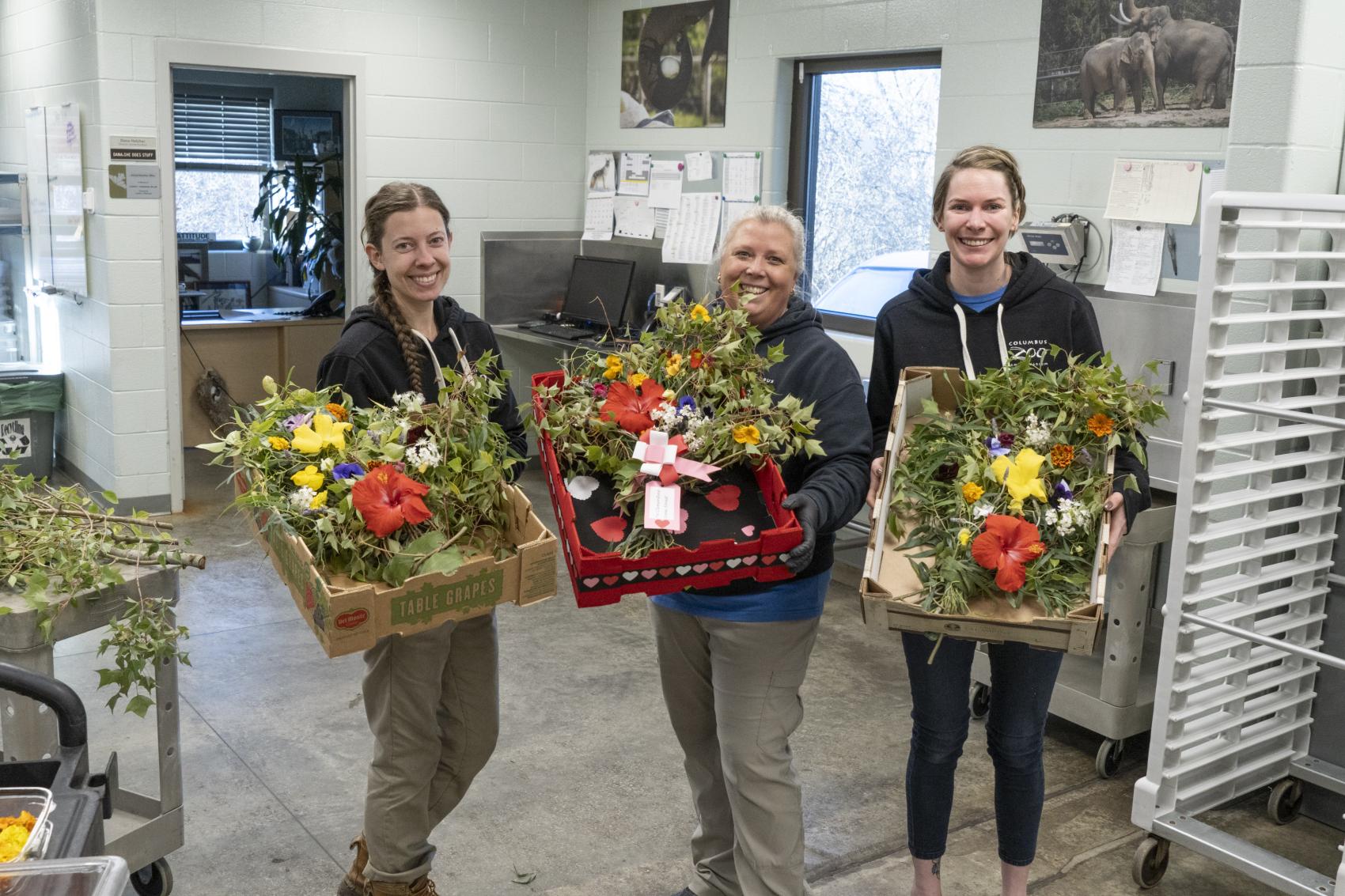
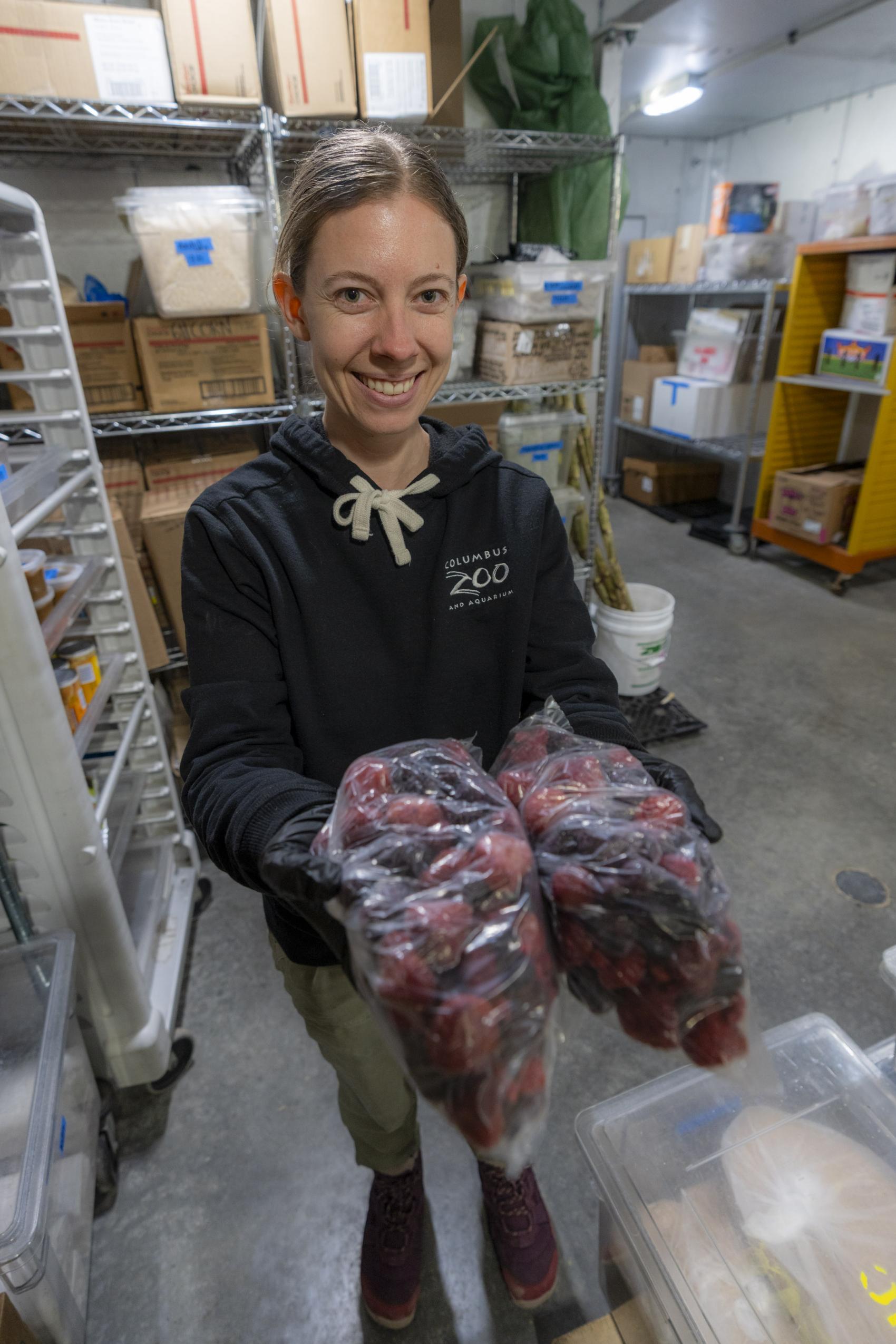
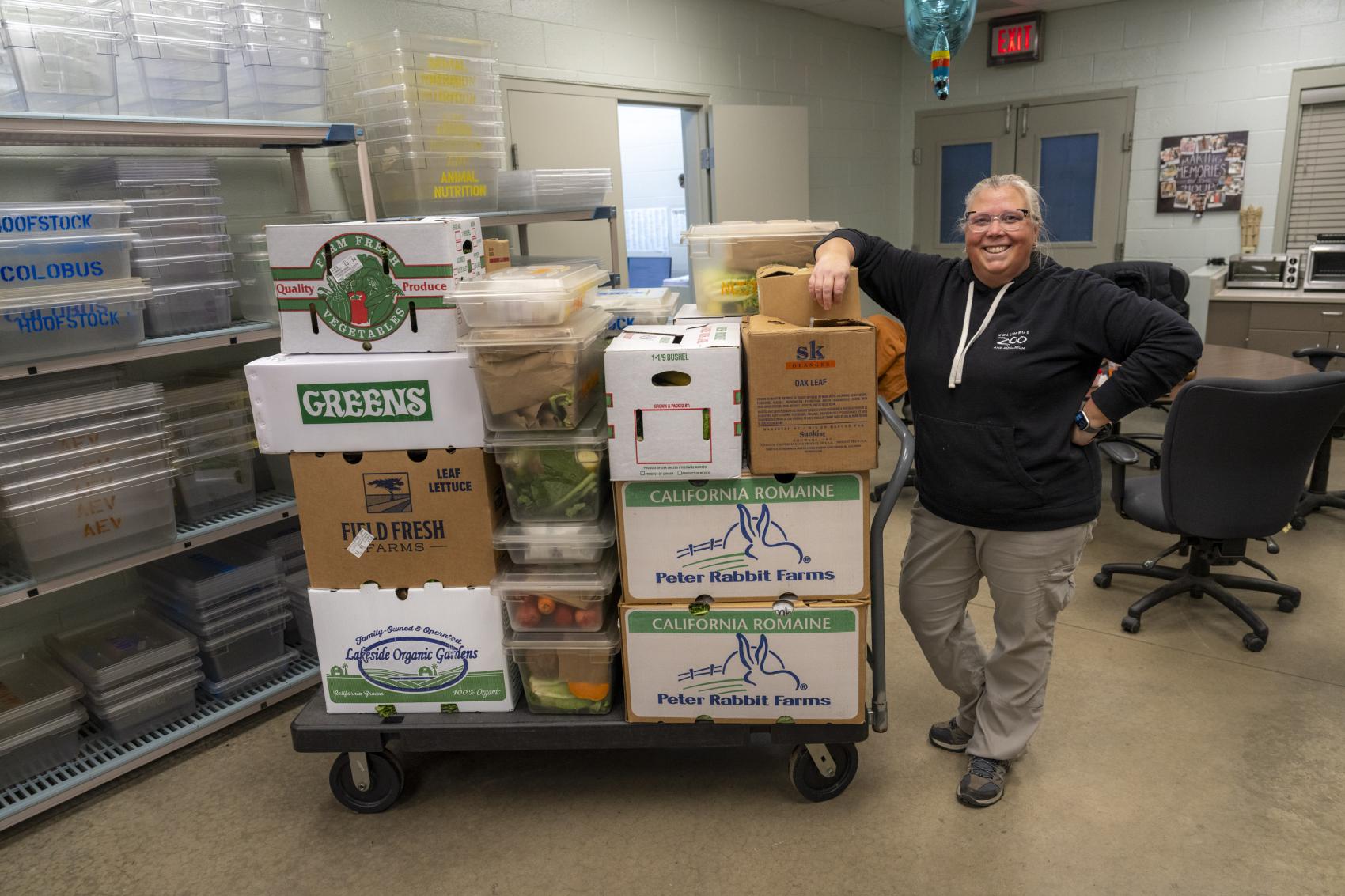
A small but mighty crew powers the Animal Nutrition Center: one Director and four Nutrition Assistants, who work daily to support several thousands of animals across hundreds of species at the Zoo.
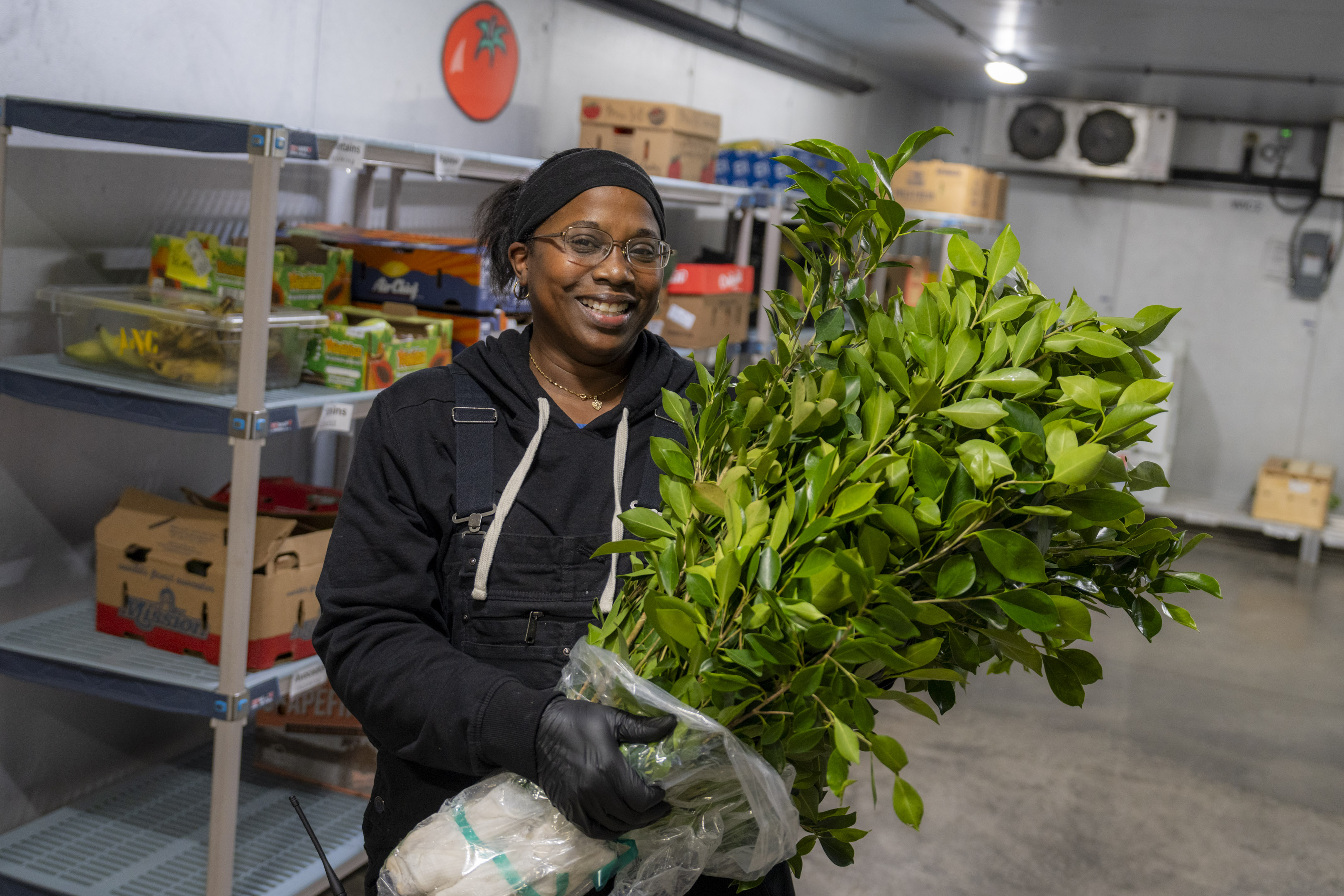
Yes, they “prep food,” but they also manage global supply chains, fine-tune diets based on bloodwork and behavior, plan months (sometimes years) ahead, and collaborate constantly with our Animal Care and Conservation Medicine teams.
In short, they are professional problem-solvers with exceptionally large refrigerators.
Feeding the Zoo is not a quick trip to the store.
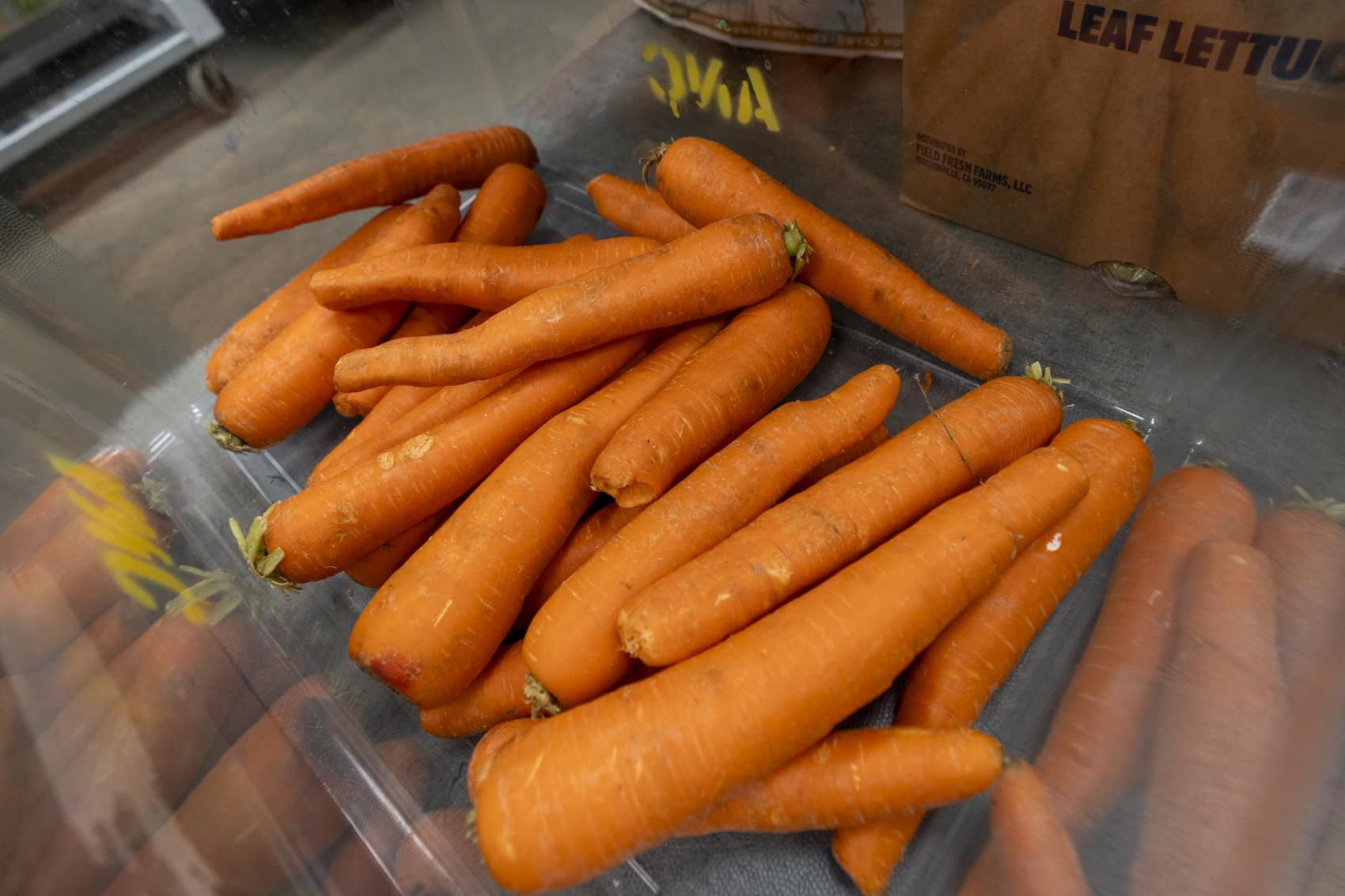
More than 800 food items are sourced from around the world, with inventory tracked every two weeks and orders placed on staggered schedules to ensure freshness, quality, and continuity.
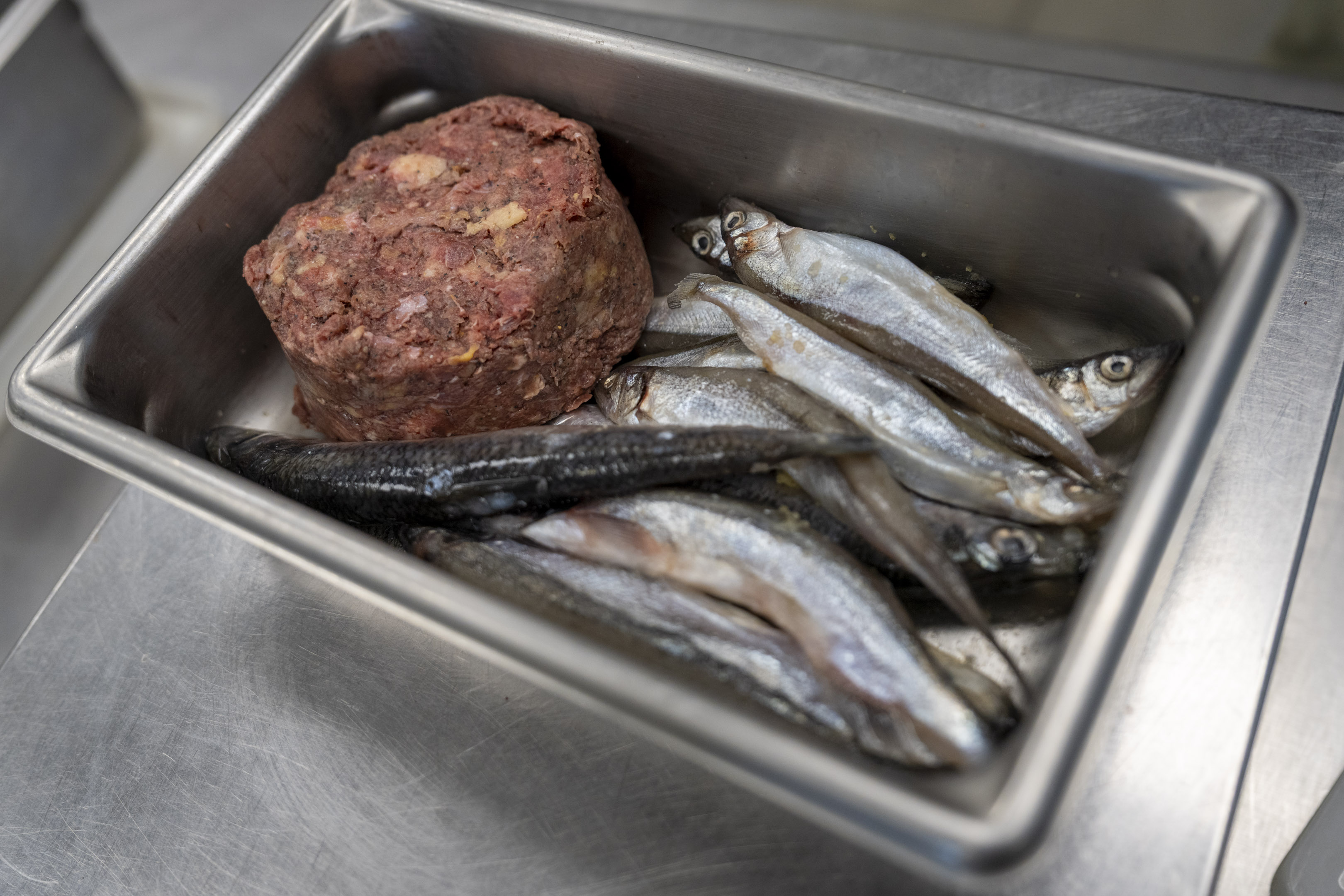
Here’s what that looks like in practice:
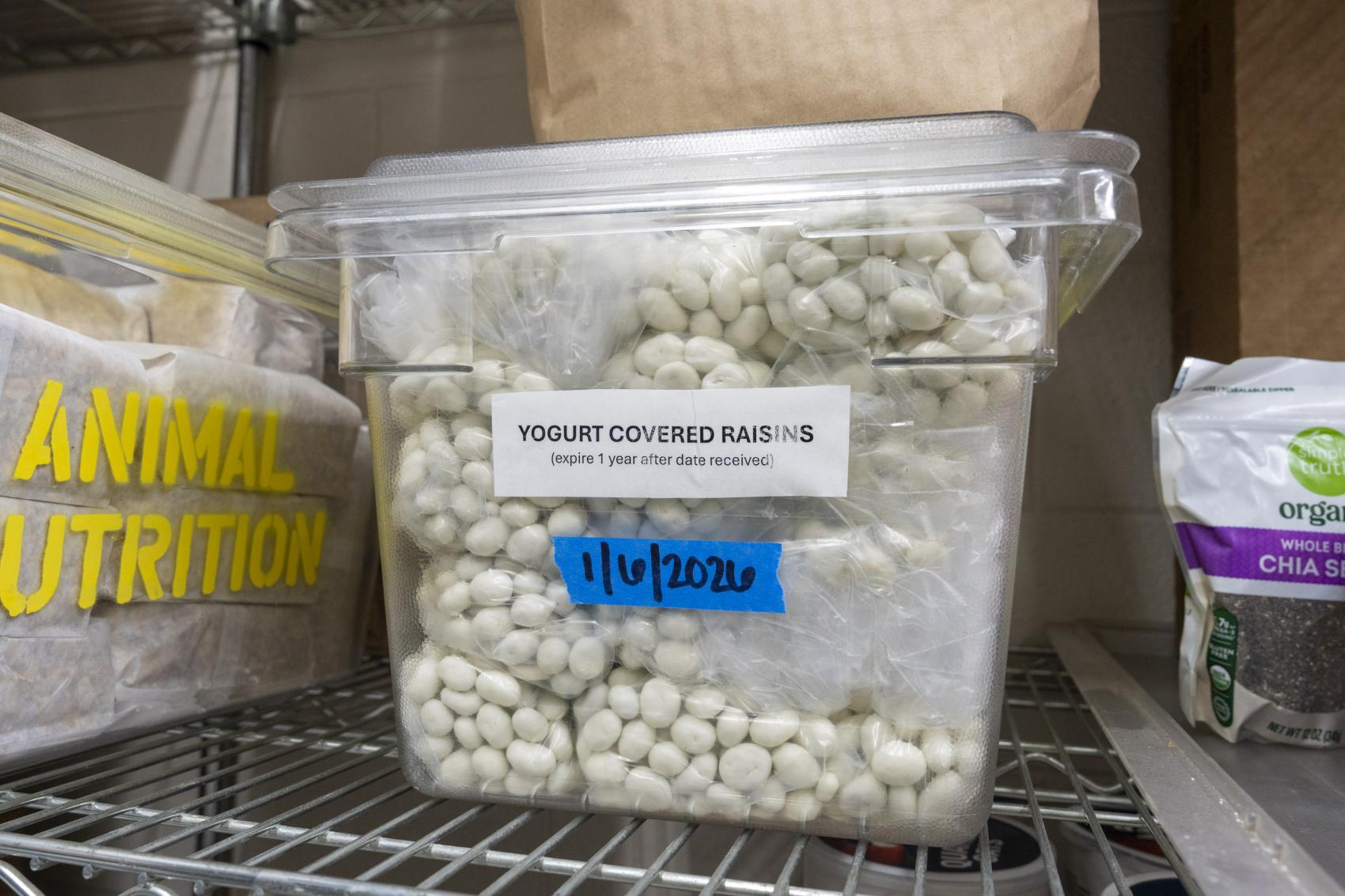
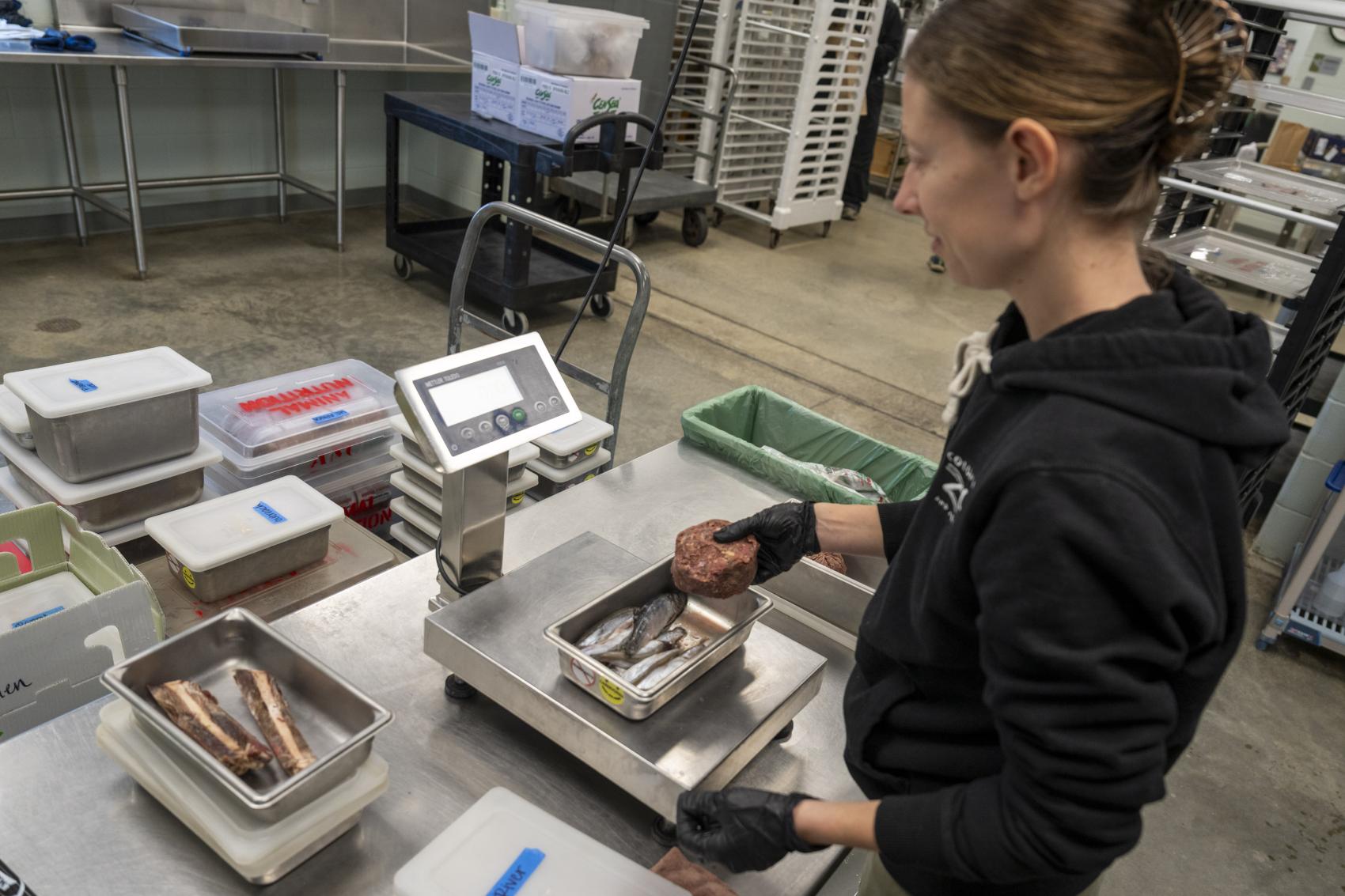
Every item is rotated so the oldest products are used first. Packaging seals are visually inspected. And while all foods come from human-grade suppliers or trusted animal food distributors, items are periodically sent out for nutritional lab analysis.
This is not casual feeding. This is quality control on a global scale.
Diet formulation is a team sport.
The result is nutrition that reflects science, experience, and the individual animal standing in front of you.
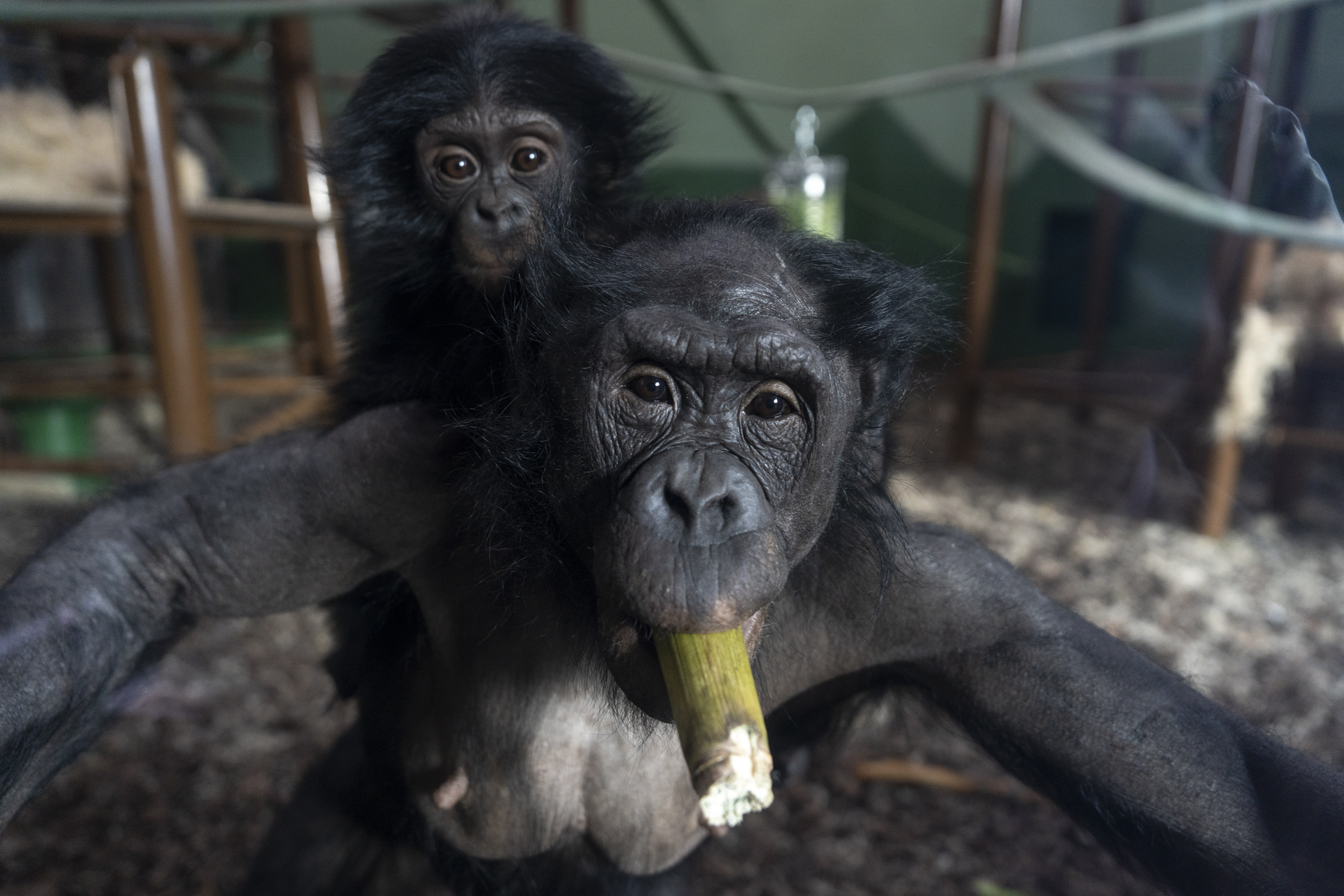
What animals eat is only part of the story. How food is sourced, prepared, and offered matters just as much.
Some diet items are sourced to closely resemble what animals would encounter in the wild. Others are carefully replicated using locally available products. Browse may be fresh, imported, or frozen depending on the species and the season. Even the order in which foods are offered can matter, with softer items sometimes provided before harder ones to support dental health.
Feeding plans also take the habitat into account. An animal’s activity level and the size of its space help determine portion sizes, while group dynamics influence whether animals are fed individually, together, or separately at the same time.
Then there’s biology. Some species naturally consume very little iron in their native ranges, so diets and even habitat materials are designed to limit iron exposure. Langurs, for example, are prone to urinary stones, so their diets are formulated specifically to reduce that risk. Frozen fish loses certain vitamins quickly, which is why vitamin E and B1 paste is added to fish-heavy diets to maintain nutritional balance.
This is where nutrition meets physiology, behavior, and long-term health planning, all working together in ways guests may never see, but animals experience every day.
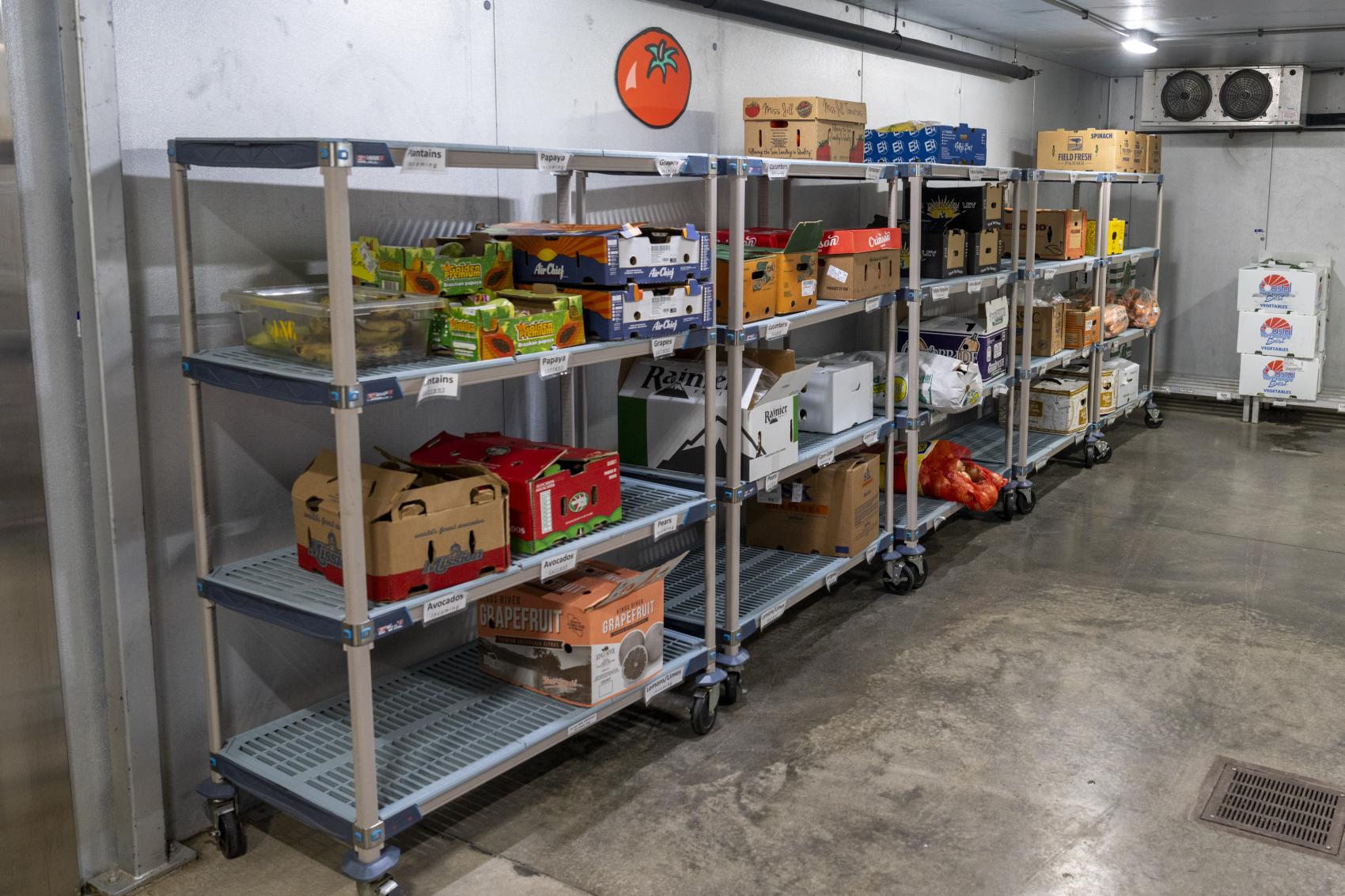
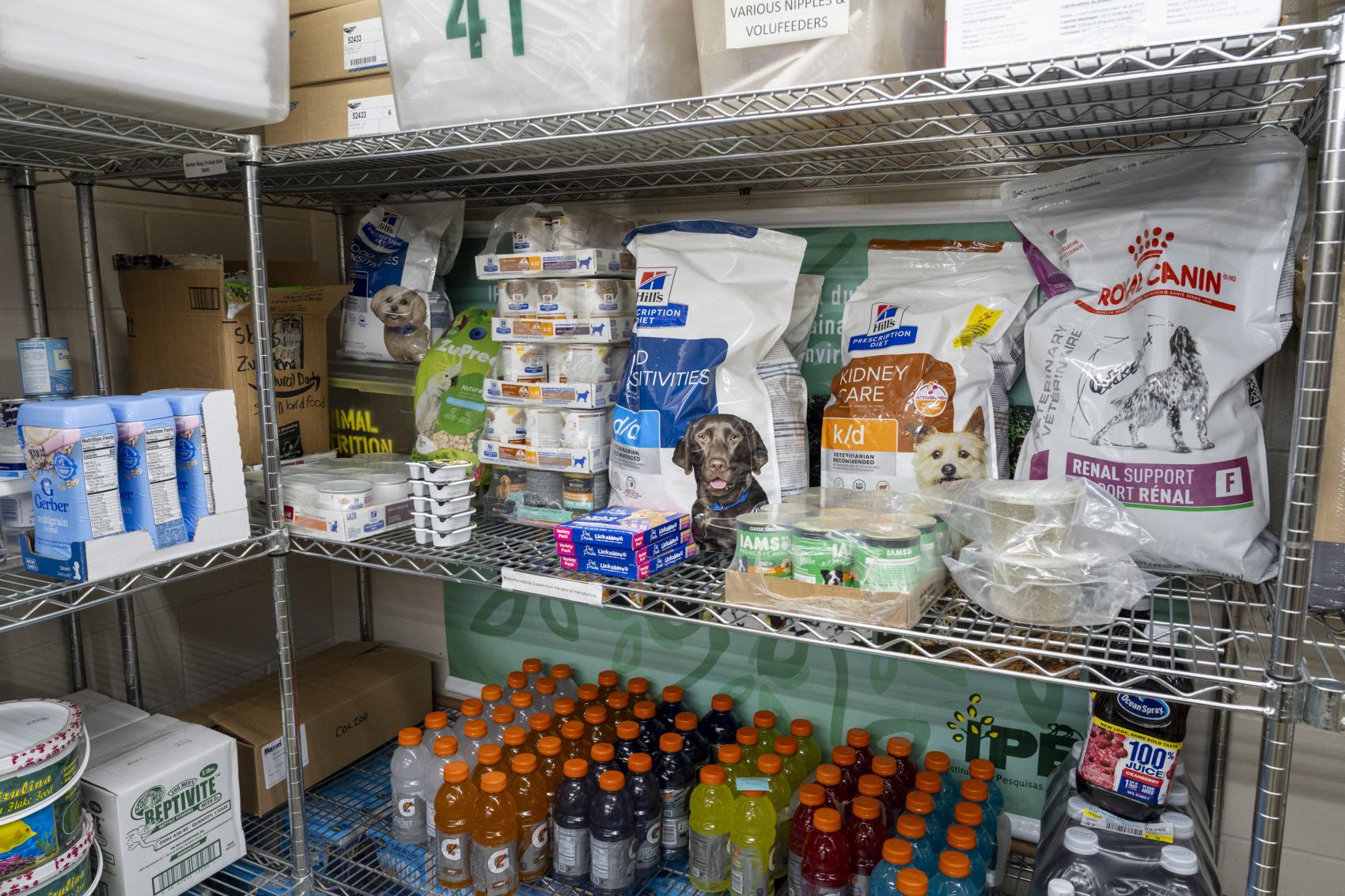
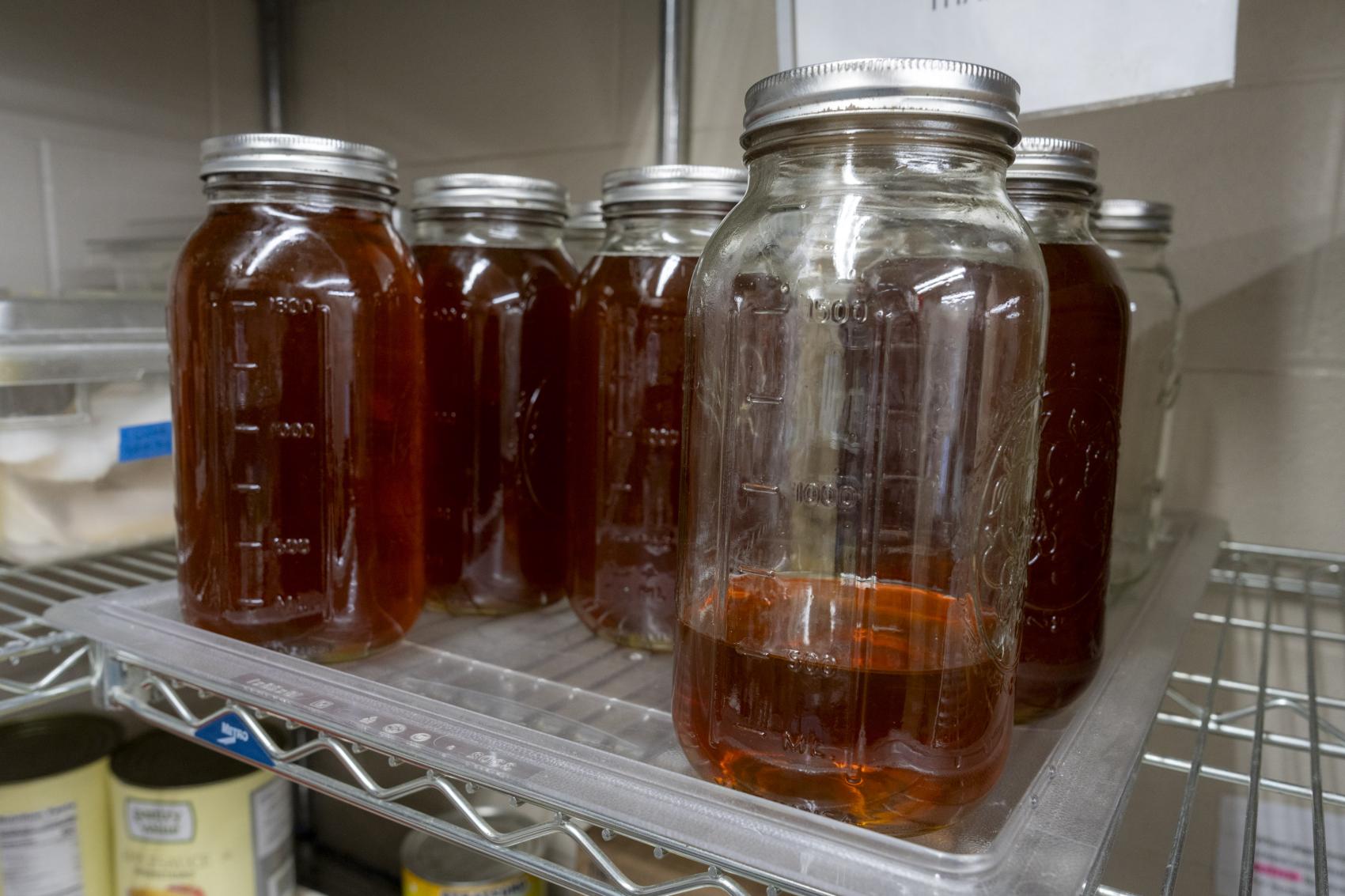
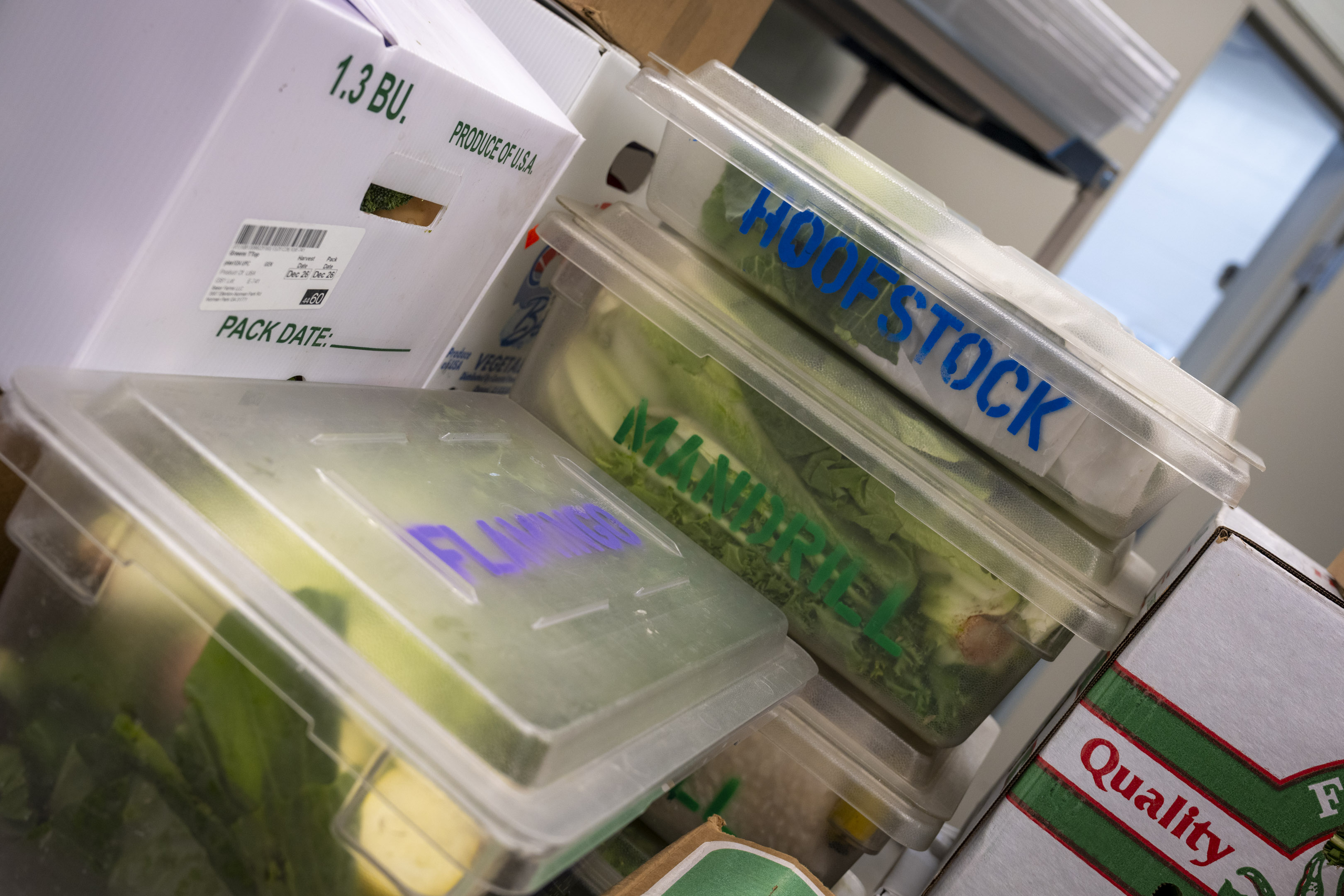
All of this food lives in a well-designed and carefully-organized warehouse behind the scenes at the Columbus Zoo, just for animal nutrition.

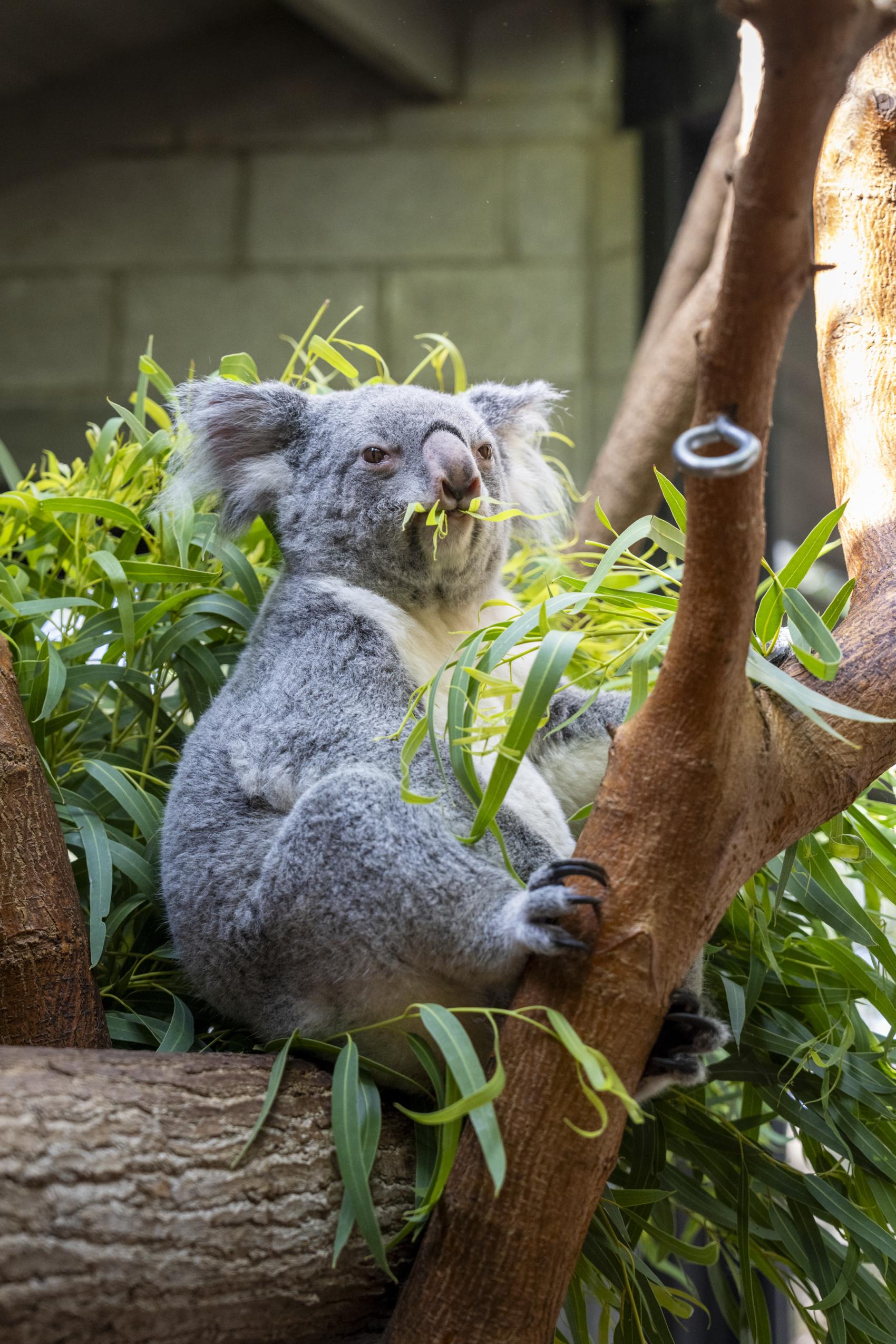
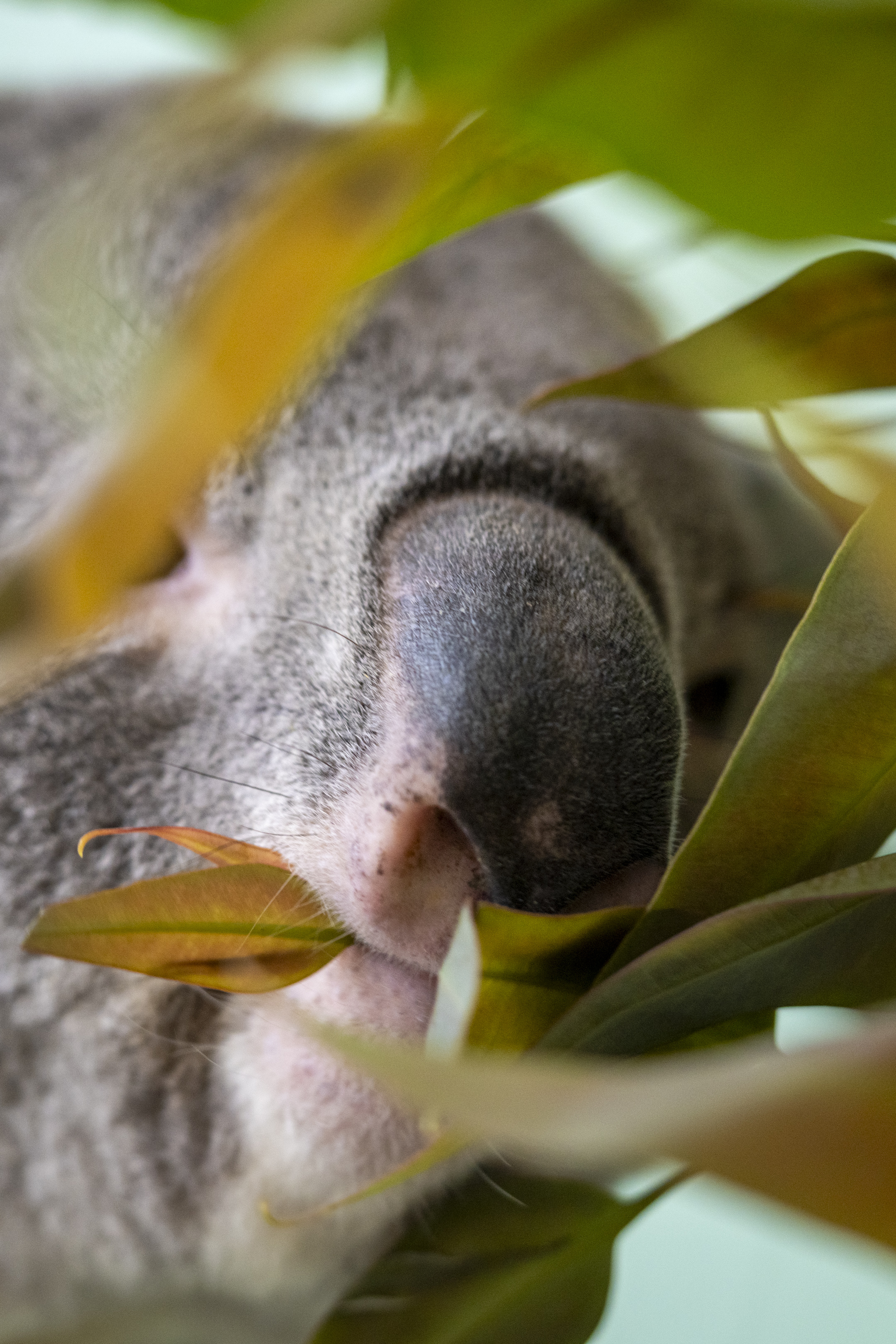
And then there’s eucalyptus.
Two eucalyptus greenhouses at the Zoo maintain a variety of species for koalas. As trees are trimmed, branches are delivered to the koala building to keep them familiar with diverse types. Eucalyptus is also flown in year-round as their primary food source.
Finally, the hay barn stores alfalfa hay, timothy hay, orchard grass, and straw. It is clearly labeled, wildlife-proofed, and meticulously maintained.
Sustainability in Action: Hay barn floor sweepings that cannot be used at the Zoo are donated to the Ohio Wildlife Center for use as bedding.
When an animal is confirmed pregnant, nutrition planning begins immediately.
The Animal Nutrition Center stocks species-specific milk replacers or formula ingredients as early as possible, especially when products must be imported and require permits.
Additional prenatal and infant care includes:
Every step is planned. Nothing is improvised.
Animal care teams can request additional food items through an online ordering system for needs like:
Each request is evaluated for frequency, safety, and species appropriateness. That includes considering ingredient content like sugar, portion size, and whether an item poses any physical risk, like an enrichment bone too large or small for an animal’s mouth.
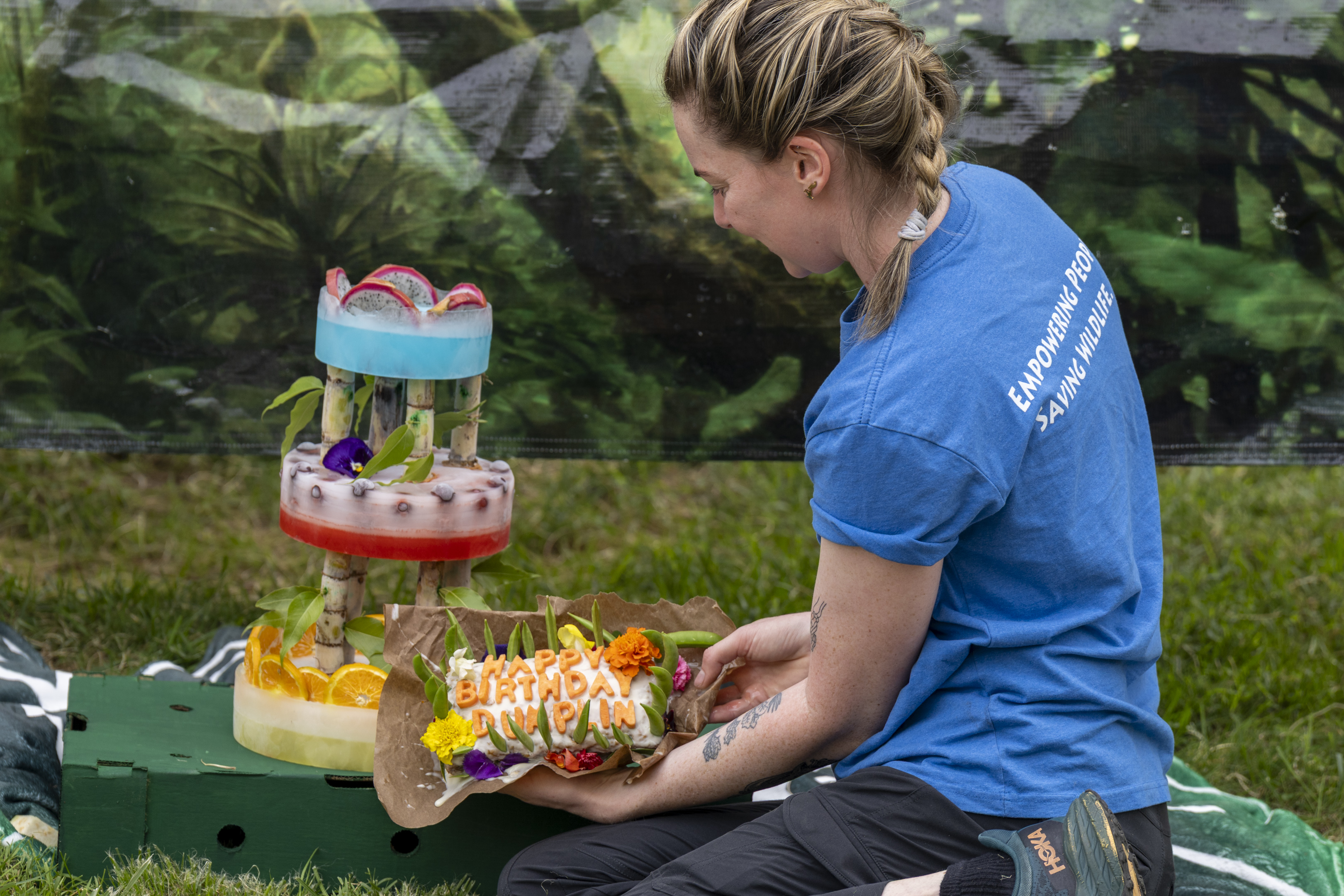
Science and creativity are not opposites here.
Throughout the year, the Columbus Zoo’s Animal Nutrition Center team adds moments of fun and enrichment to their work:
It’s still nutrition…It’s just delivered with a little joy!
Every visit, membership, donation, and shared story helps support this level of care.
Supporting the Zoo means supporting:
When you support accredited zoos, you are supporting animals in ways that are thoughtful, intentional, and built to last.
At its heart, animal care at the Columbus Zoo and Aquarium is thoughtful and long-term. It shows up in habitats designed to encourage natural movement and choice, in medical care guided by science and experience, and in nutrition plans built around the needs of each species and each individual.
Modern zoological care is not about a single moment or decision; It’s about understanding what animals need to thrive over a lifetime. Nutrition plays a powerful role in that work, quietly supporting physical health, physical and behavioral wellbeing, and long-term outcomes as animals grow, age, and change.
Together with habitat design and veterinary care, nutrition becomes part of a larger commitment to stewardship. It’s intentional, science-driven work carried out daily, and always with care. And while much of it happens behind the scenes, its impact reaches well beyond the Zoo.