Become a Zoo Member!
Unlimited visits all year long, free parking, and more.


Today's Hours: Zoo Hours: 10am - 6pm. Lantern Festival Hours: 7:30pm - 10:30pm.
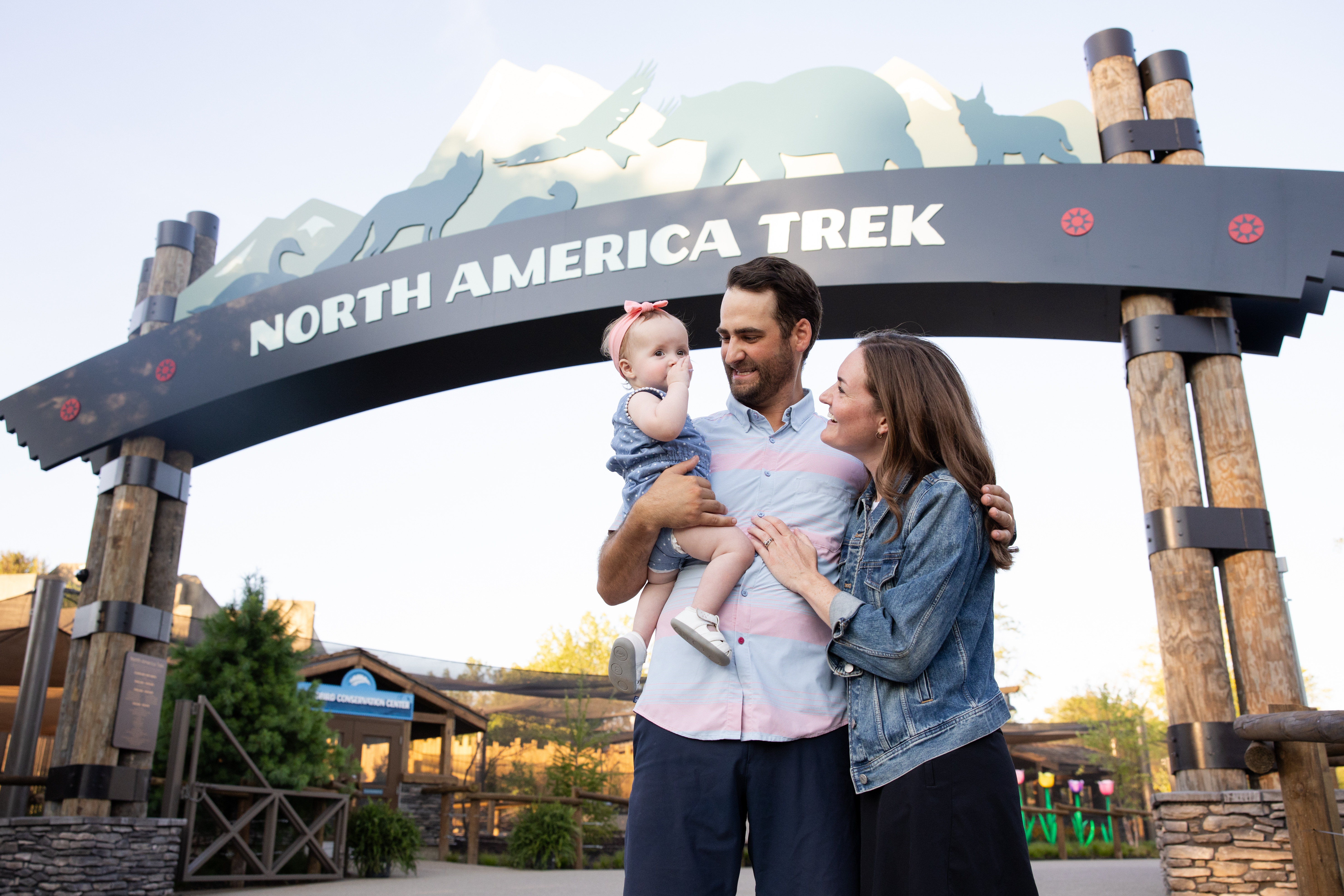
One year ago, the Columbus Zoo opened the gates to a place inspired by America's wildest treasures…
National parks—ALL of them.
North America Trek was designed to capture the spirit of these national treasures, bringing together towering waterfalls, detailed landscapes, iconic wildlife, and the kind of adventure that makes you slow down and say, "Wait...did you see that?"
One year later, guests are still doing exactly that.
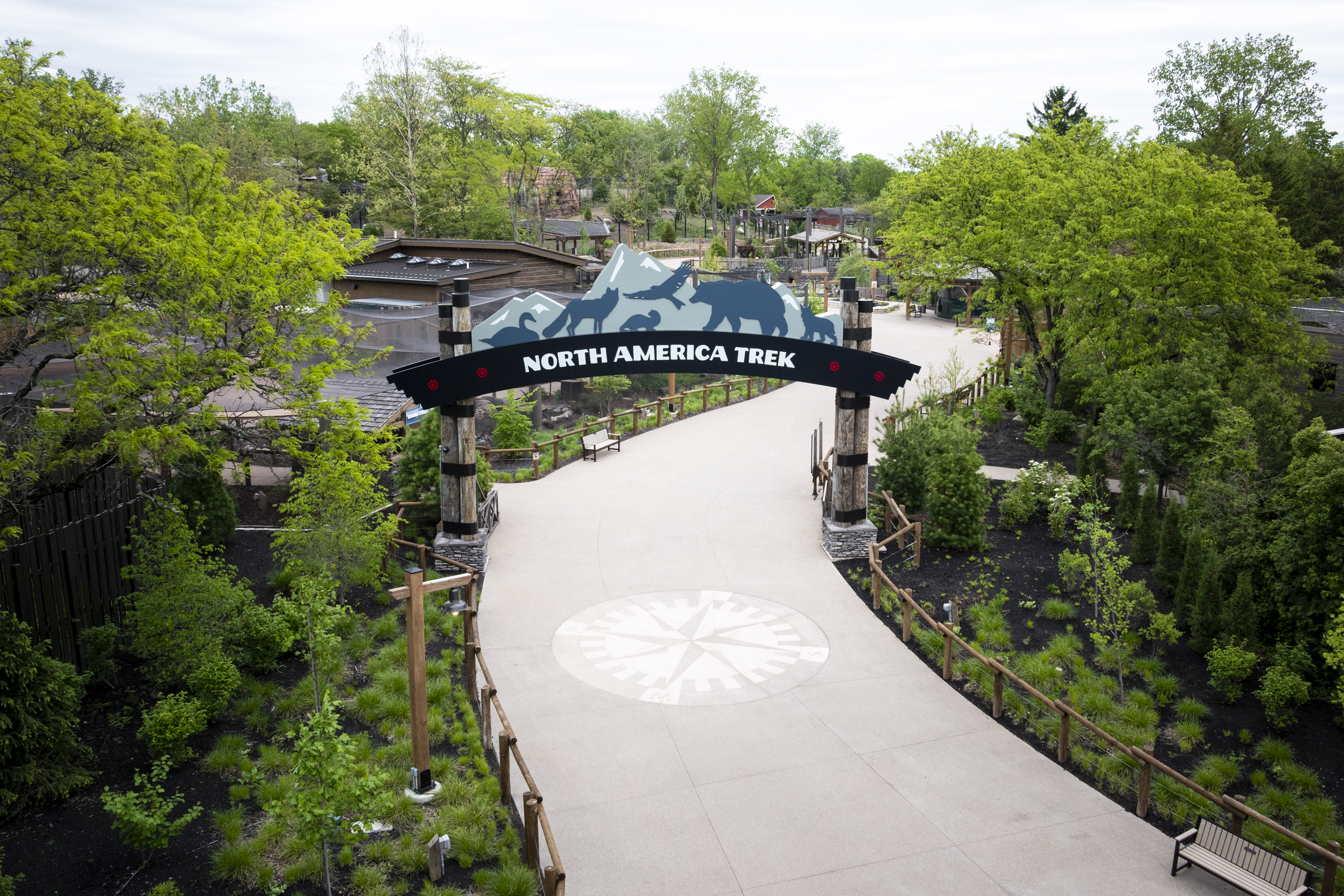
There's something different about North America Trek.
Maybe it's the sound of rushing water before you even see the waterfall. Maybe it's the wide pathways that invite strollers, wheelchairs, grandparents, toddlers, and everyone in between to explore at their own pace. Maybe it's the feeling that you've somehow wandered out of Ohio and into a national park lodge brochure.
Whatever it is, guests keep coming back—and they usually have a favorite stop.
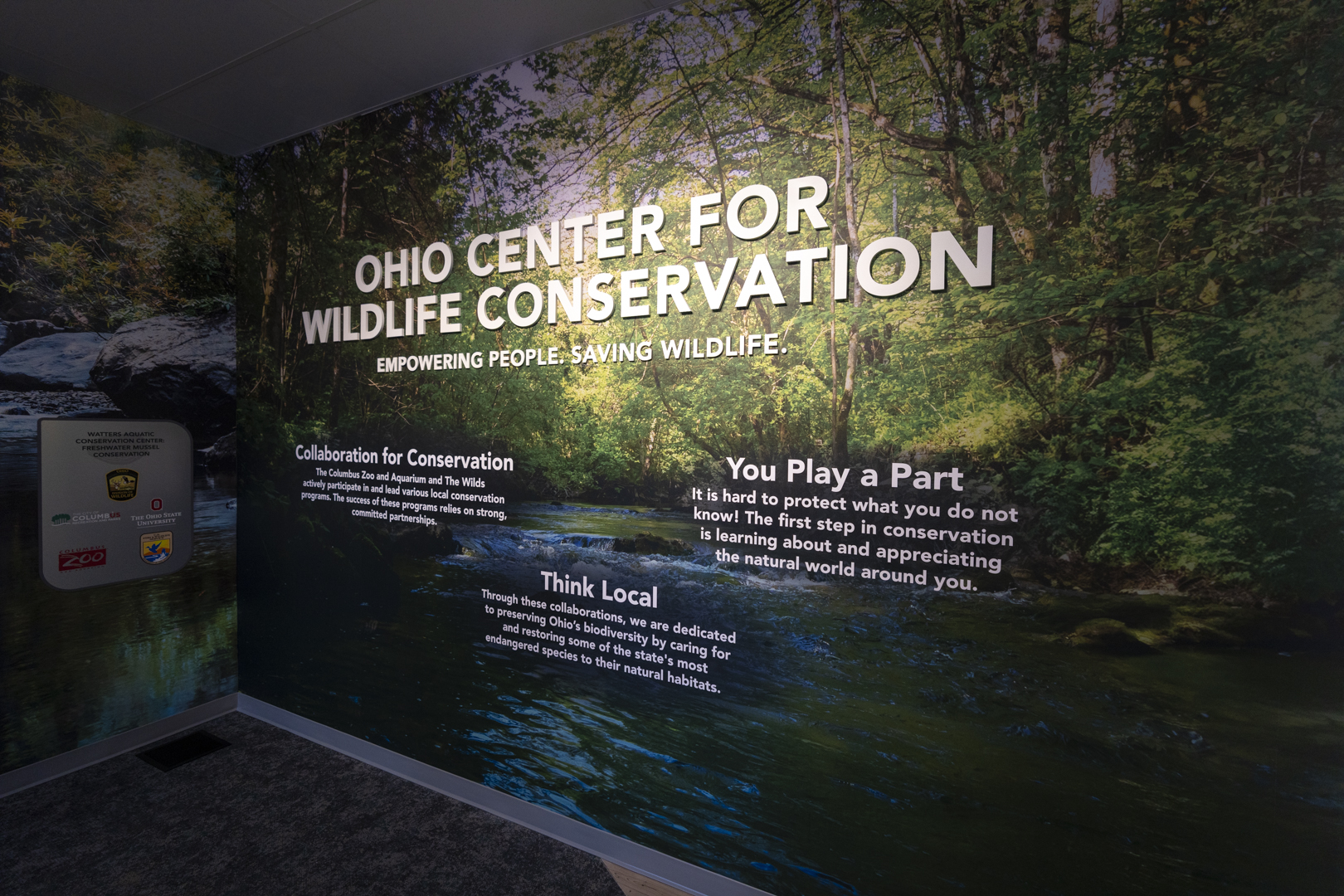
Nestled within the North America Trek region, this indoor learning area features local wildlife and is open to Zoo guests!
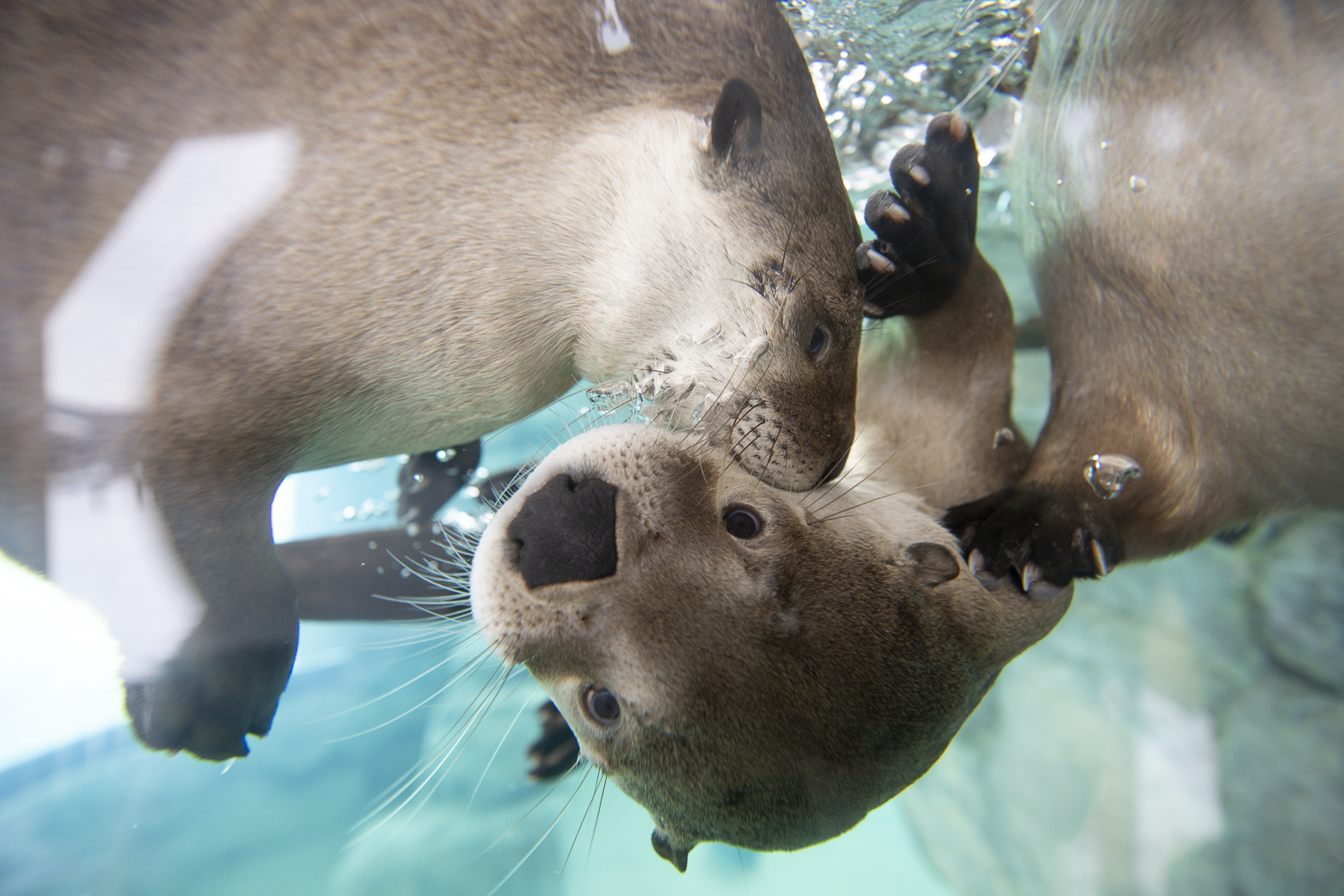
Let's start with the obvious suspects: The North American river otters may have become the unofficial comedians of North America Trek.
If you've ever walked past their habitat, you've probably heard it before you saw it.
Laughter. Lots of it.
Kids point through the glass. Adults linger far longer than they planned. Someone inevitably points and says, "Look at that one!"
The otters dart through the water, wrestle with each other, pop up unexpectedly, and generally behave like they're trying to make the crowd smile. They're not, of course - They're just being otters...Which somehow makes it even better.
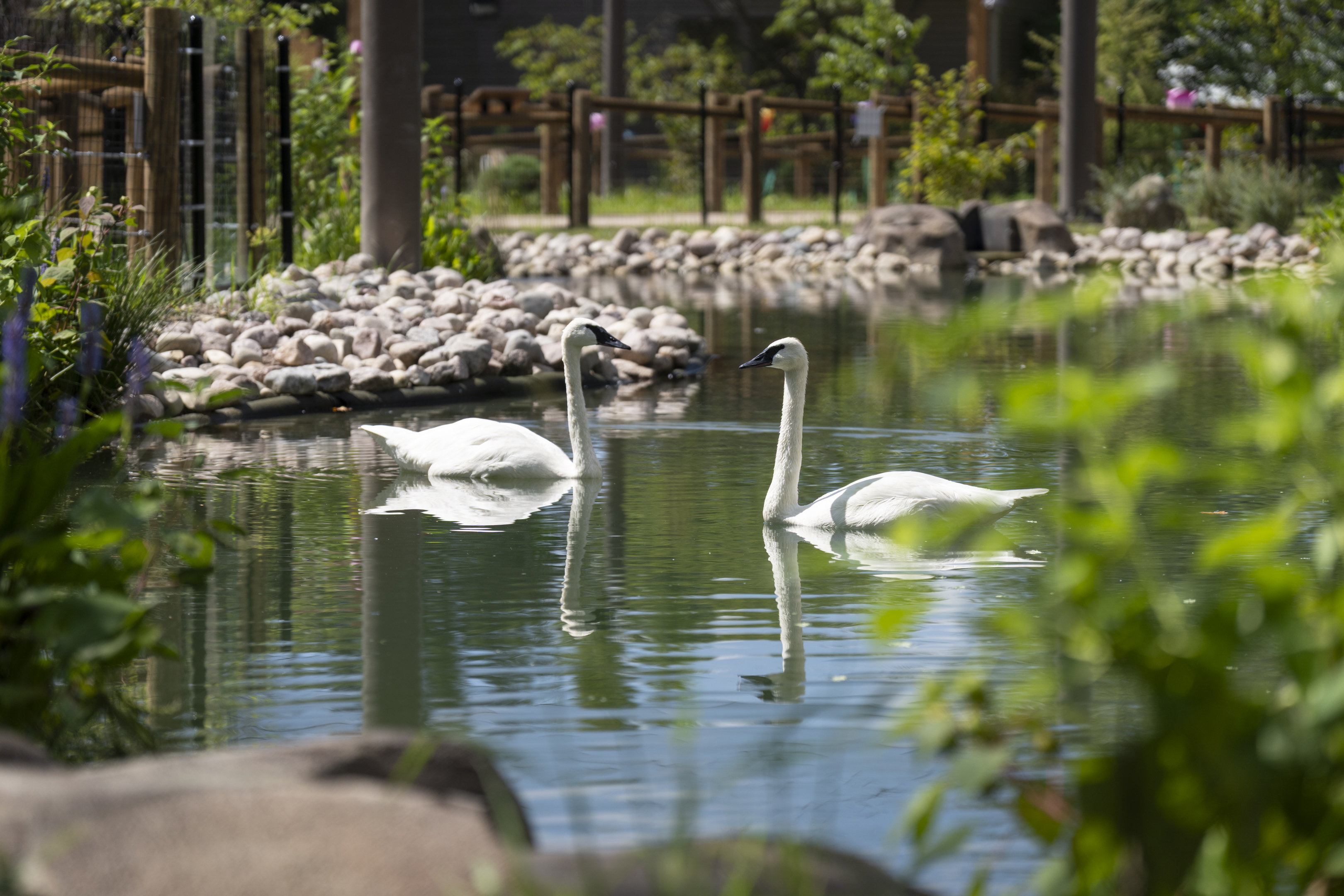
The songbird and trumpeter swan aviary invites guests to do something that doesn't happen very often in today's world: Slow down. You can walk right through this immersive habitat, but our advice is simple: Don't just walk through it. Stop. Listen. Look up. Follow the movement in the trees. Read the signs. Notice the songs and calls coming from every direction.
Pay attention to the details that are easy to miss when you're rushing to the next habitat.
National parks have a way of teaching us that nature is often discovered in a birdsong, a rustle of leaves, or a quiet observation that lasts only a few seconds. This aviary captures that feeling beautifully. And, unlike many places in life, there's no prize for being the first one through.
The habitat waterfall catches your eye first.
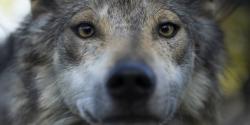
The wolves keep you there.
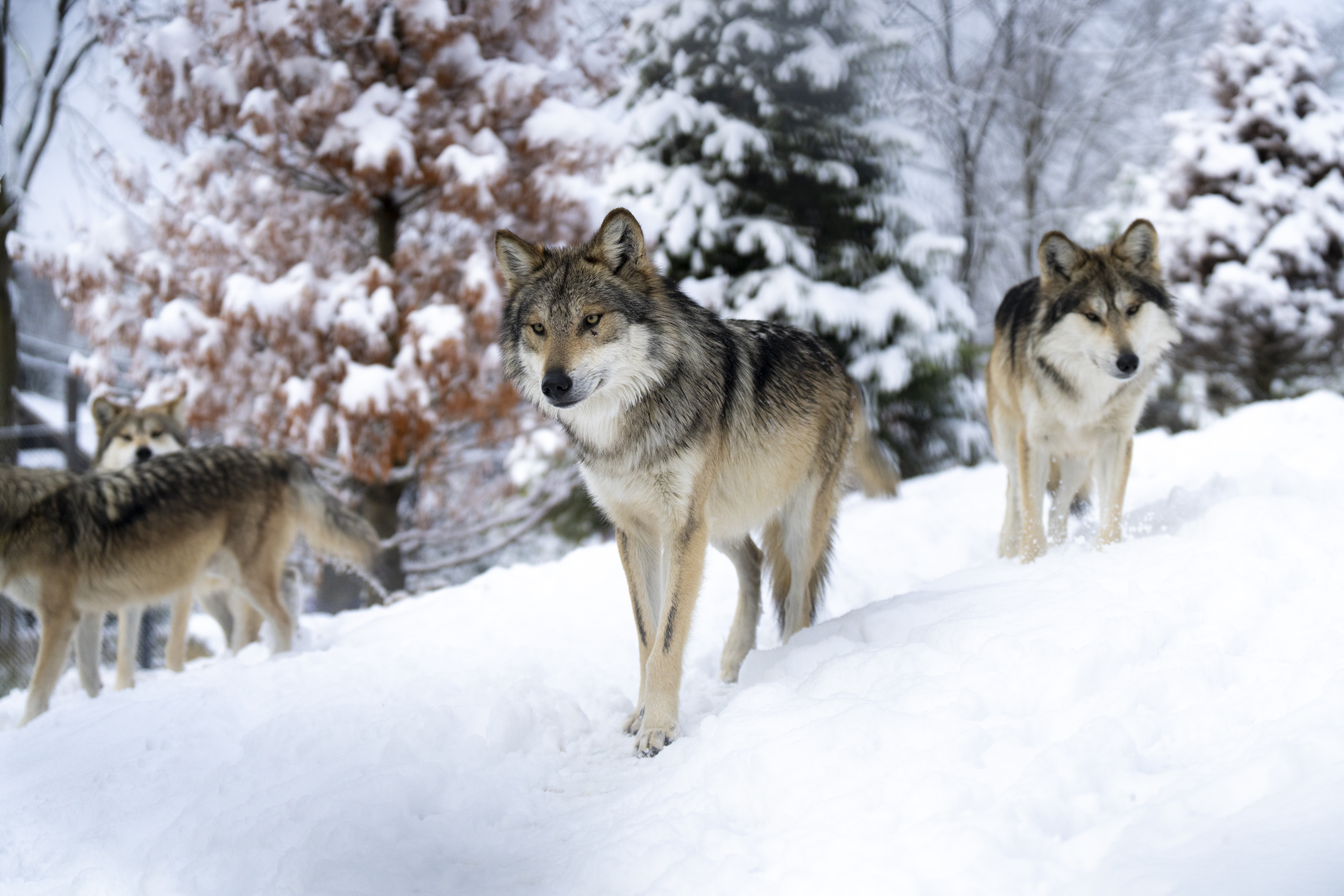
Home to five Mexican wolf brothers, this habitat has quickly become one of the most talked-about stops in North America Trek. Perched above guest pathways, the habitat gives the wolves the elevated vantage points they naturally prefer. From the shaded viewing areas below, guests often find themselves locked in a staring contest with a wolf who seems just as curious about them.
Visit early enough, and you may even hear the pack howl. It's the kind of sound that stops conversations mid-sentence.
But these aren't the only Mexican wolves at the Columbus Zoo. Just a short walk away in the Zoo’s Asia Quest region, near Wild Burger, longtime residents Winter and Storm continue to inspire guests every day. Many Zoo members have watched these wolves for years and have followed their story through countless visits.
Together, the two packs help tell an important conservation story. Mexican wolves are one of North America's most endangered, and every howl serves as a reminder that wildlife recovery is possible when people choose to care.
Two packs. Seven wolves. Countless reasons to stop and listen.
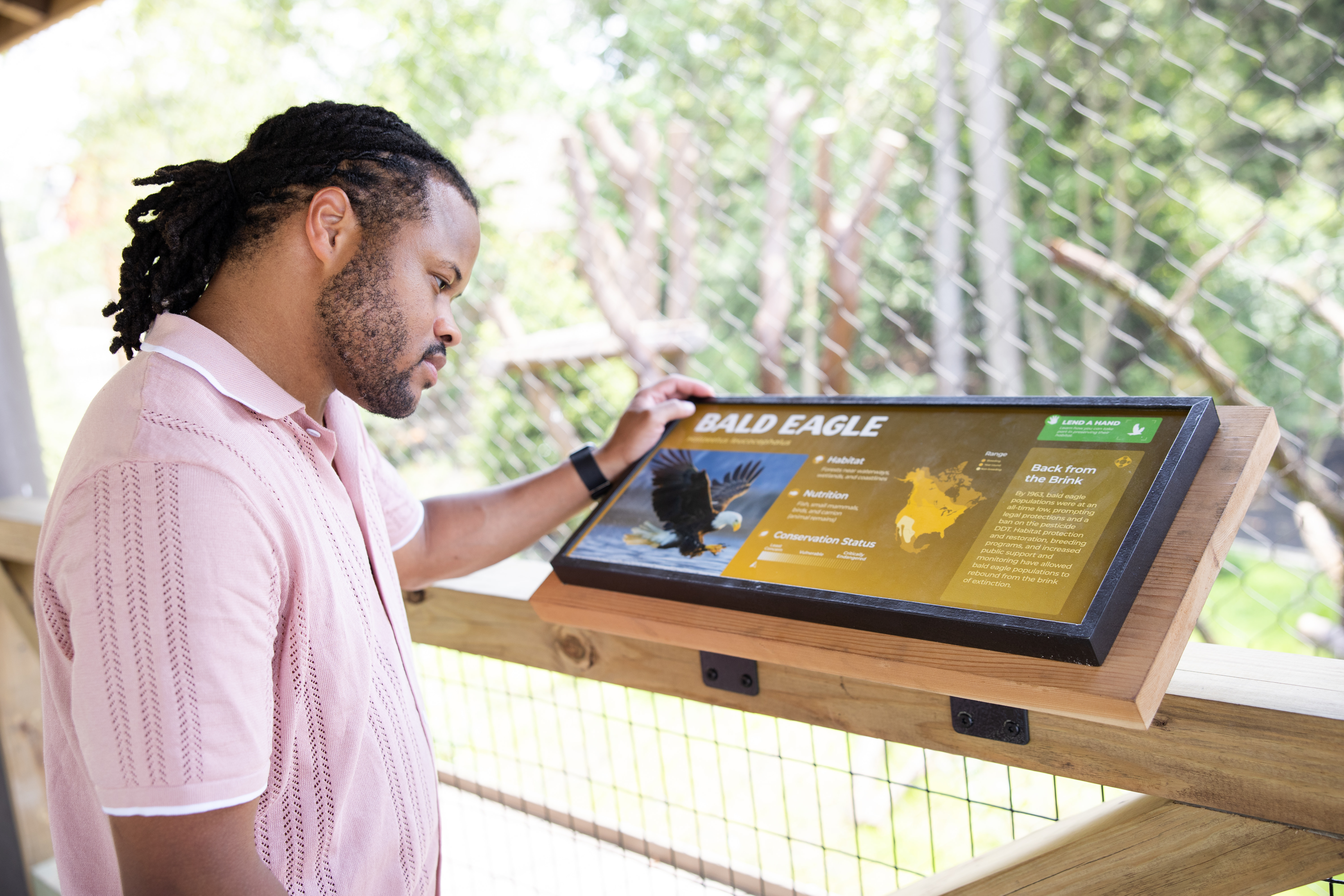
Across the guest path from the wolves waits one of the most powerful moments in the region. The bald eagle habitat places these incredible birds at eye level with guests, creating an experience that feels surprisingly personal.
You notice details you might otherwise miss. The enormous beak. The piercing eyes. The sheer size. For many guests, it's the closest they've ever been to a bald eagle.
The birds that call North America Trek home are non-releasable due to injuries that prevent them from surviving in the wild. Here, they serve as ambassadors for their species, helping visitors connect with an animal that represents both the resilience of wildlife and the importance of conservation. And yes, there are usually a few people standing there quietly saying, "Wow."
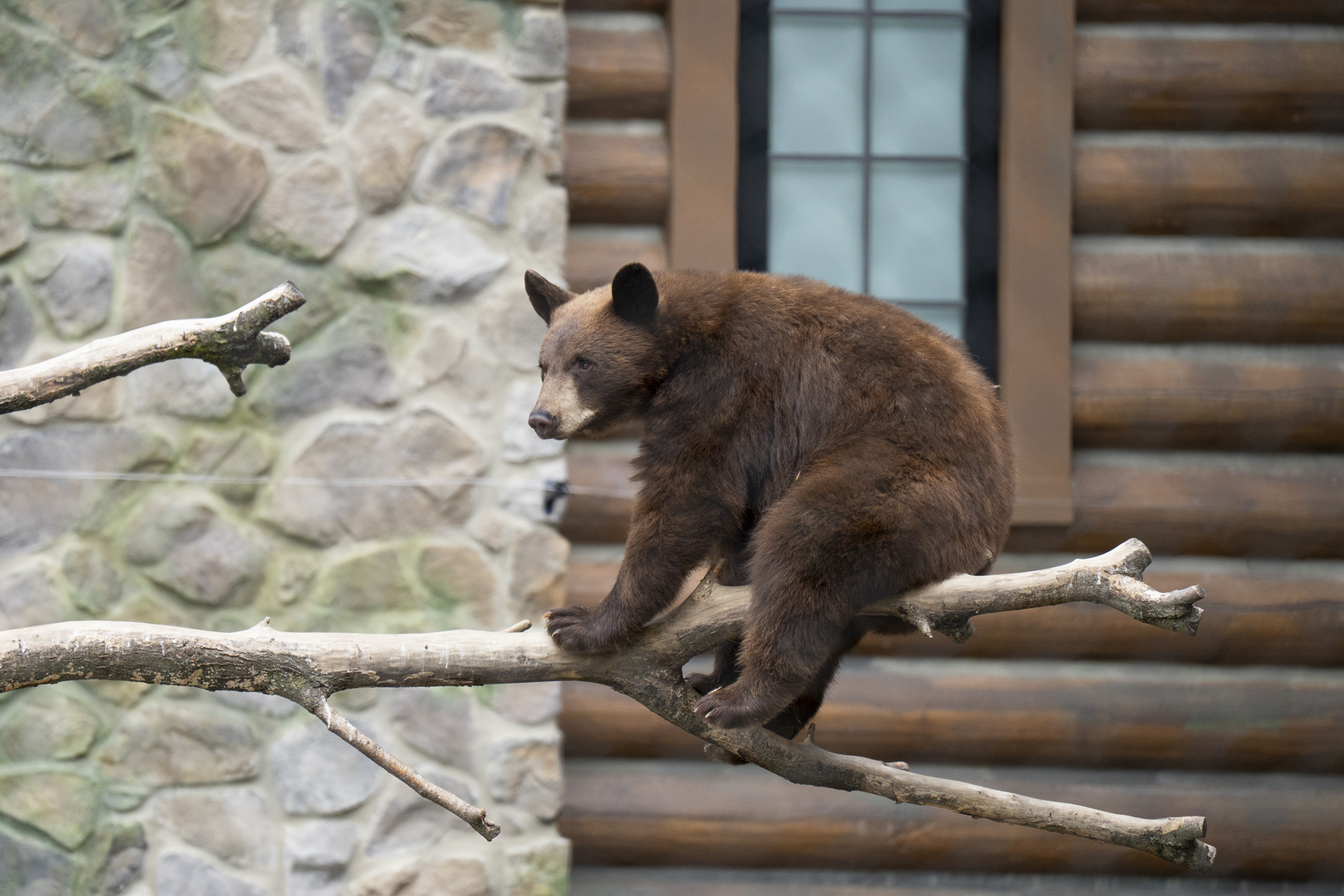
Then, there are the black bears. And lately, they've been busy. The region's newest residents, two playful rescued cubs named Ursula and Yzma, recently met Stevie, the habitat's longtime resident bear.
If you've visited recently, you've probably witnessed the cubs doing what young bears do best: absolutely everything at full speed.
Meanwhile, Stevie watches over the chaos with the patience of someone who has seen this movie before. As the resident bear, she's helping establish the rhythm of the habitat while the cubs continue to grow, explore, and test their limits. Like any family sharing a living space, there are moments of harmony, moments of wrestling, and plenty of lessons along the way.
It's become one of North America Trek's most popular stories, and one that continues to evolve with every visit.
The animals may be the stars, but North America Trek's design deserves its own standing ovation. Inspired by America's national parks, the region was created to feel immersive from the moment guests arrive. The waterfalls are impressive. The habitats are large. The pathways are wide. The views stretch far.
Every sign, overlook, and pathway was designed to encourage exploration while making the region welcoming and accessible for everyone. The result is a space where families can spend an hour or an afternoon, discovering something new around every corner.
North America Trek is the largest transformation at the Zoo to date.
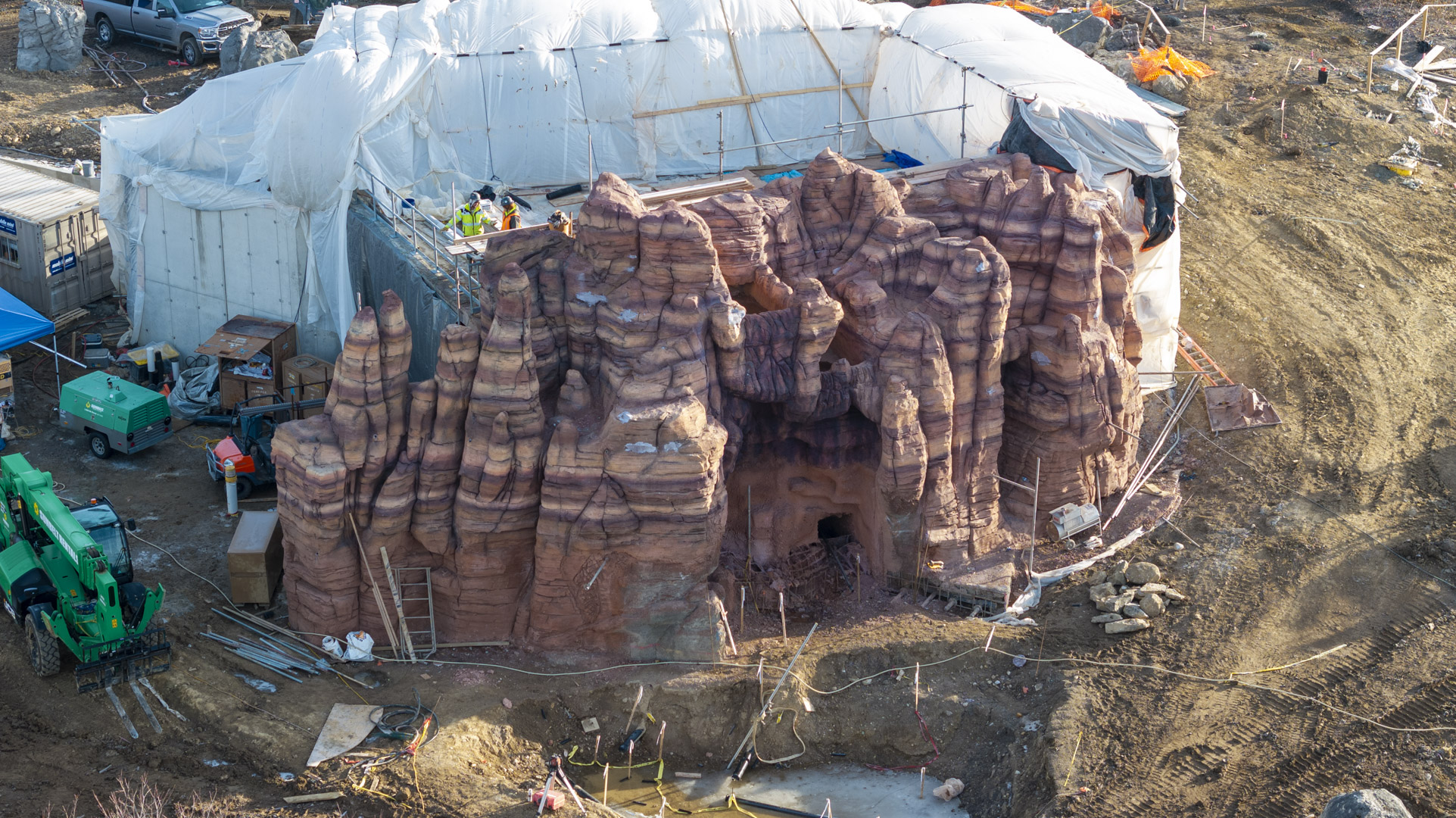
North America Trek opened with a simple goal: To help people fall in love with North America's wildlife.
One year later, the laughter around the otters, the crowds gathering at the wolf habitat, the quiet awe around the eagles, and the cheers for the bear cubs suggest it's doing exactly that.
From sea to shining sea, the landscapes and wildlife of our continent tell an incredible story. And here in Ohio, that story is waiting to be explored.