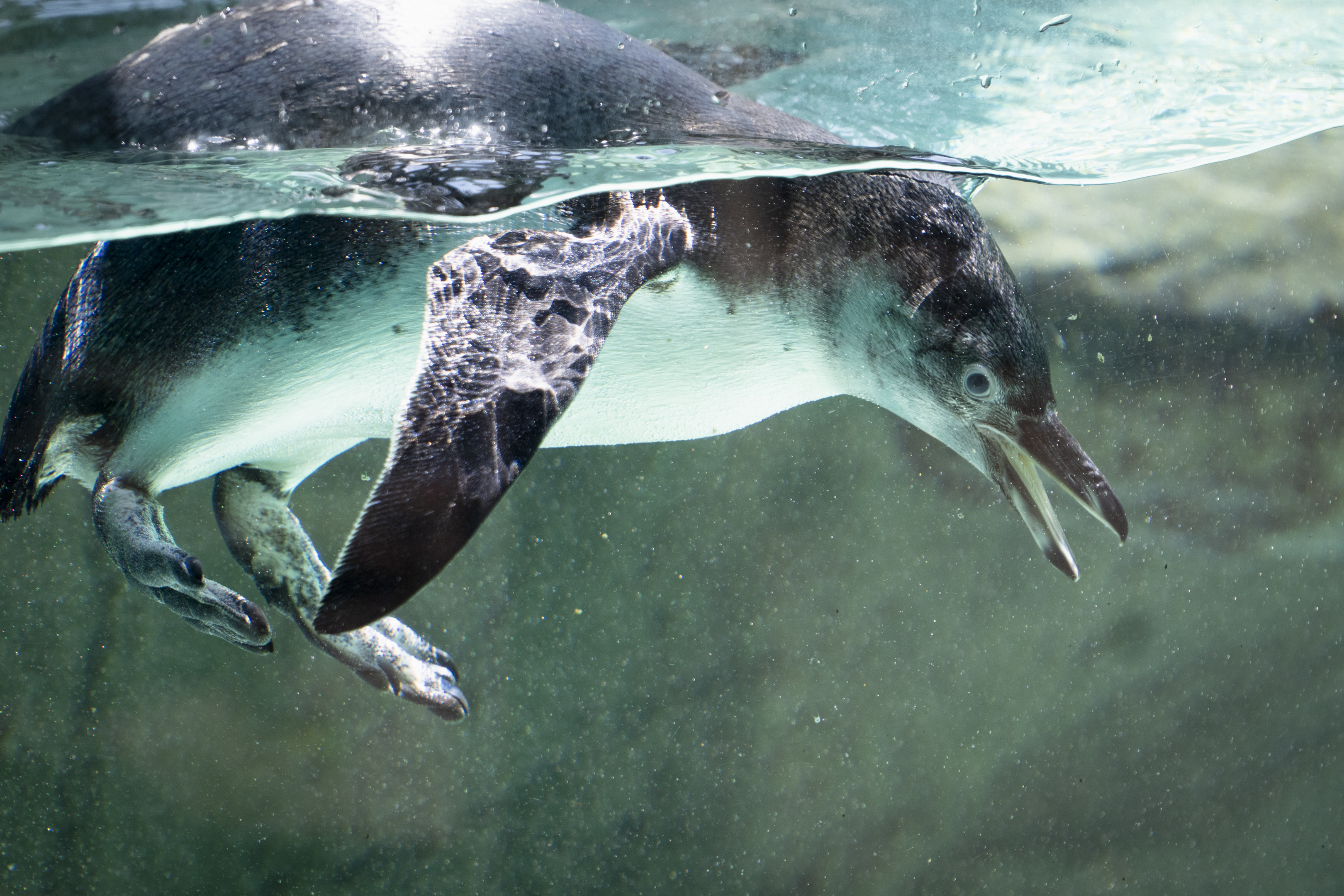
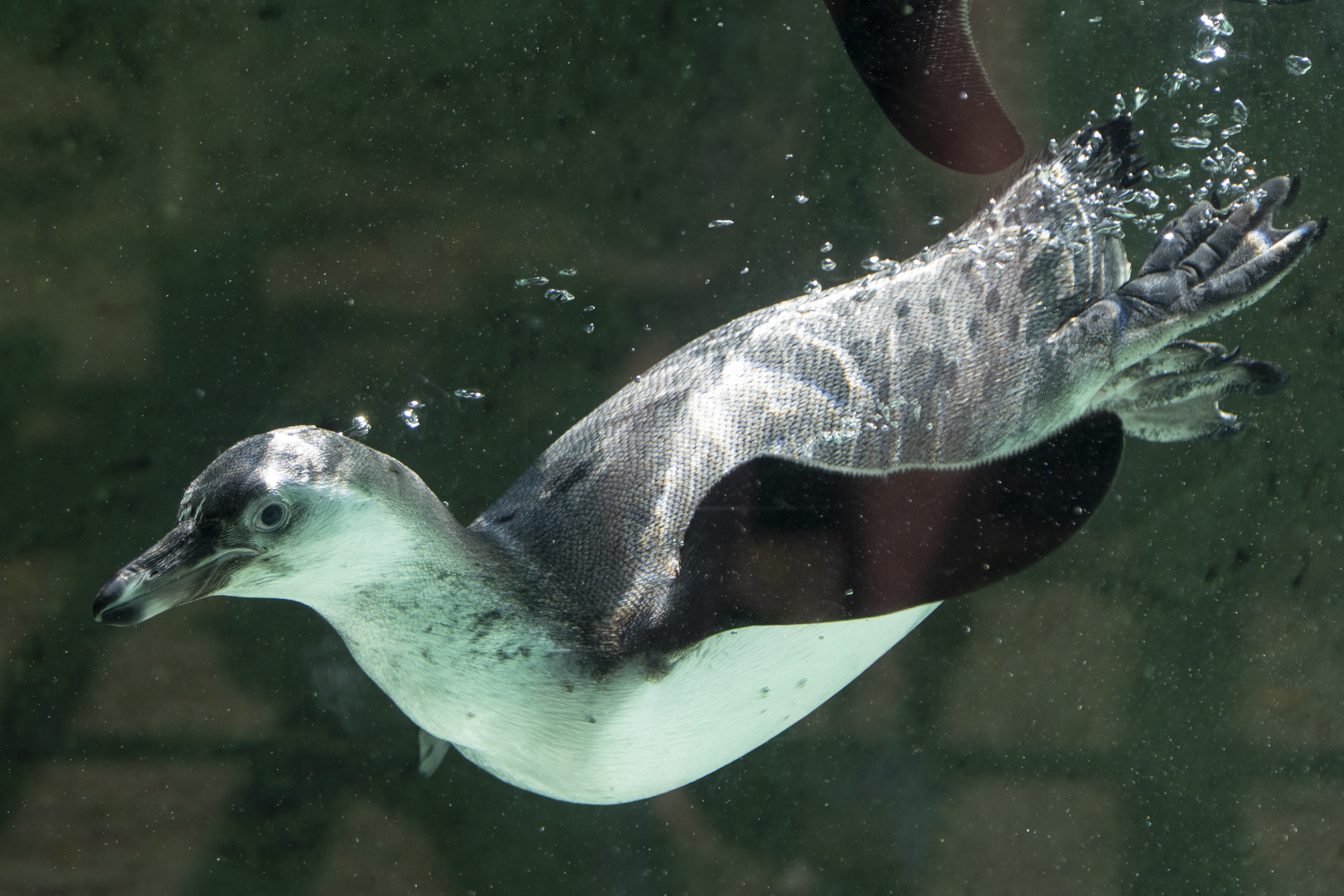
If you’ve ever watched the Humboldt penguins in the Columbus Zoo’s Shores & Aquarium region and noticed a trail of bubbles zipping behind them, you may have had the same hilarious thought many guests do:
Are the penguins farting?
Not quite.
Those bubbles are actually one of the coolest underwater adaptations in the animal world.
Why Do Penguins Blow Bubbles?
When Humboldt penguins swim, they can release tiny pockets of air trapped between the layers of their feathers.
This special trick is called air lubrication.
The bubbles create a slippery path around the penguin’s body, helping it glide through the water faster by reducing friction. In the wild, this helps penguins quickly chase fish or burst out of the water to avoid predators.
At the Columbus Zoo, guests can often spot the Humboldt penguins practicing this same natural behavior in their Shores & Aquarium habitat, where their underwater speed and agility are on full display.
Meet the Humboldt Penguins
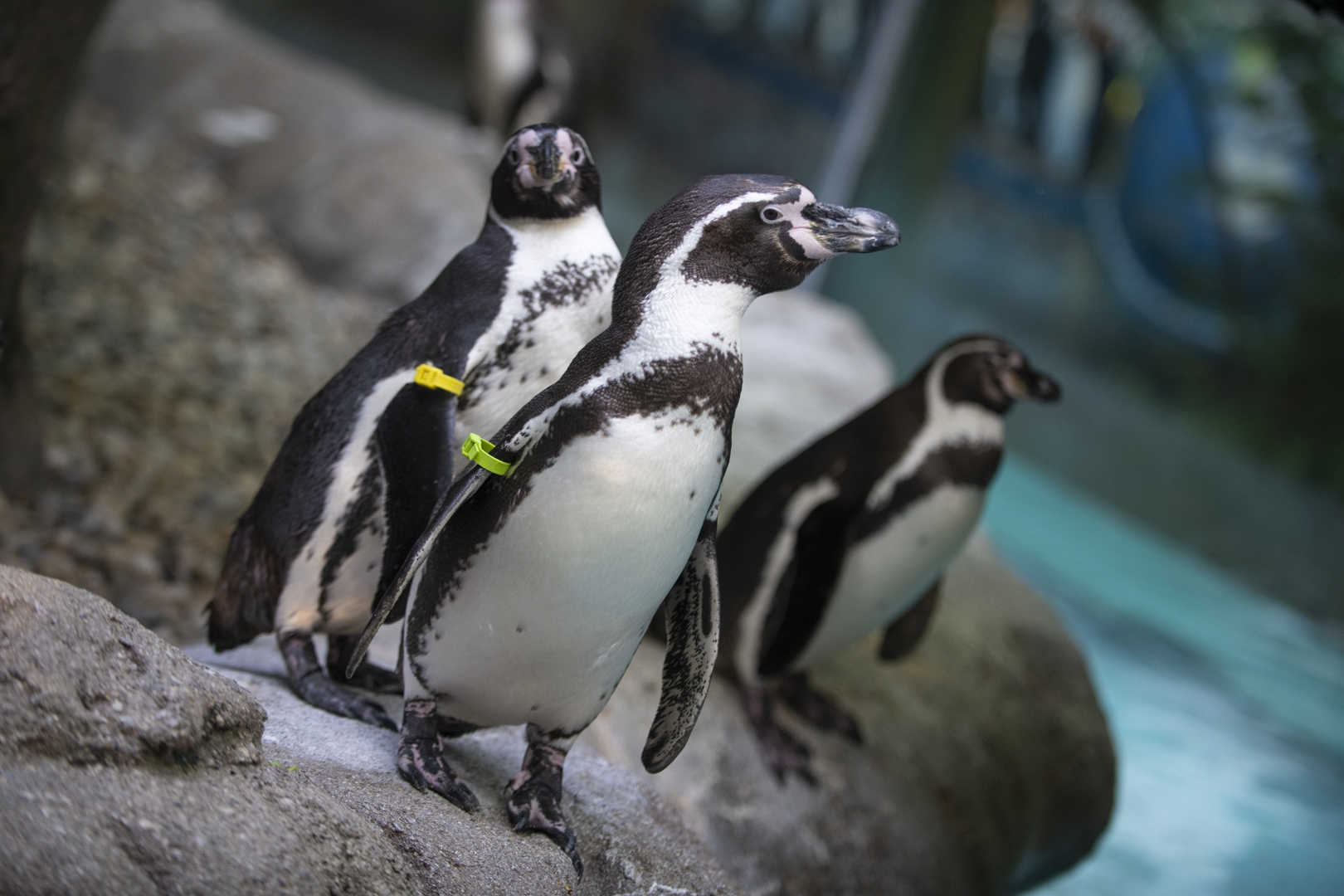
The penguins guests see at the Columbus Zoo are Humboldt penguins, a species native to the rocky coasts of Peru and Chile in South America. They are named after the Humboldt Current, a cold, nutrient-rich ocean current that helps support the fish they rely on for food.
Even though many people picture penguins living only in icy places, Humboldt penguins actually thrive in warmer coastal climates.
They are built for life in the water with:
- Streamlined, torpedo-shaped bodies
- Strong flipper-like wings
- Waterproof feathers
- Webbed feet for steering
- Black-and-white coloring that helps camouflage them from predators above and below the water
Learn more about Humboldt Penguins
What Do Penguins Eat?
Humboldt penguins love fish.
In their native ranges, they hunt schools of fish like anchovies, herring, and squid. At the Columbus Zoo, the Animal Nutrition team provides a carefully-prepared diet that includes fish such as capelin, trout, sardines, smelt, and anchovies.
A visit to the Zoo is a great chance for kids to learn how animals’ diets connect directly to ocean health!
Healthy oceans mean healthy fish populations, which means healthy penguins.
How the Columbus Zoo Helps People Learn About Penguins
The Columbus Zoo helps guests connect with penguins in more than one way.
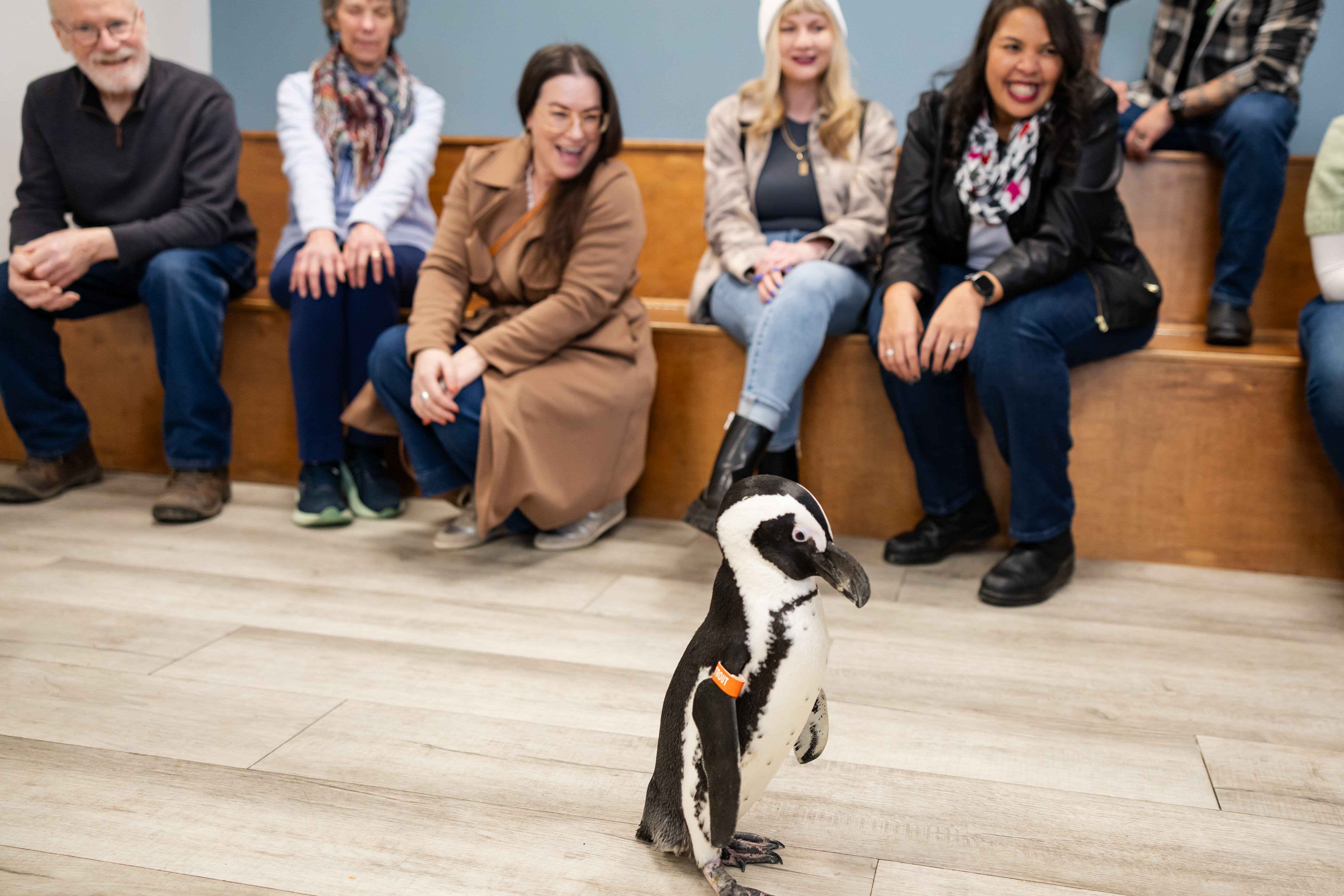
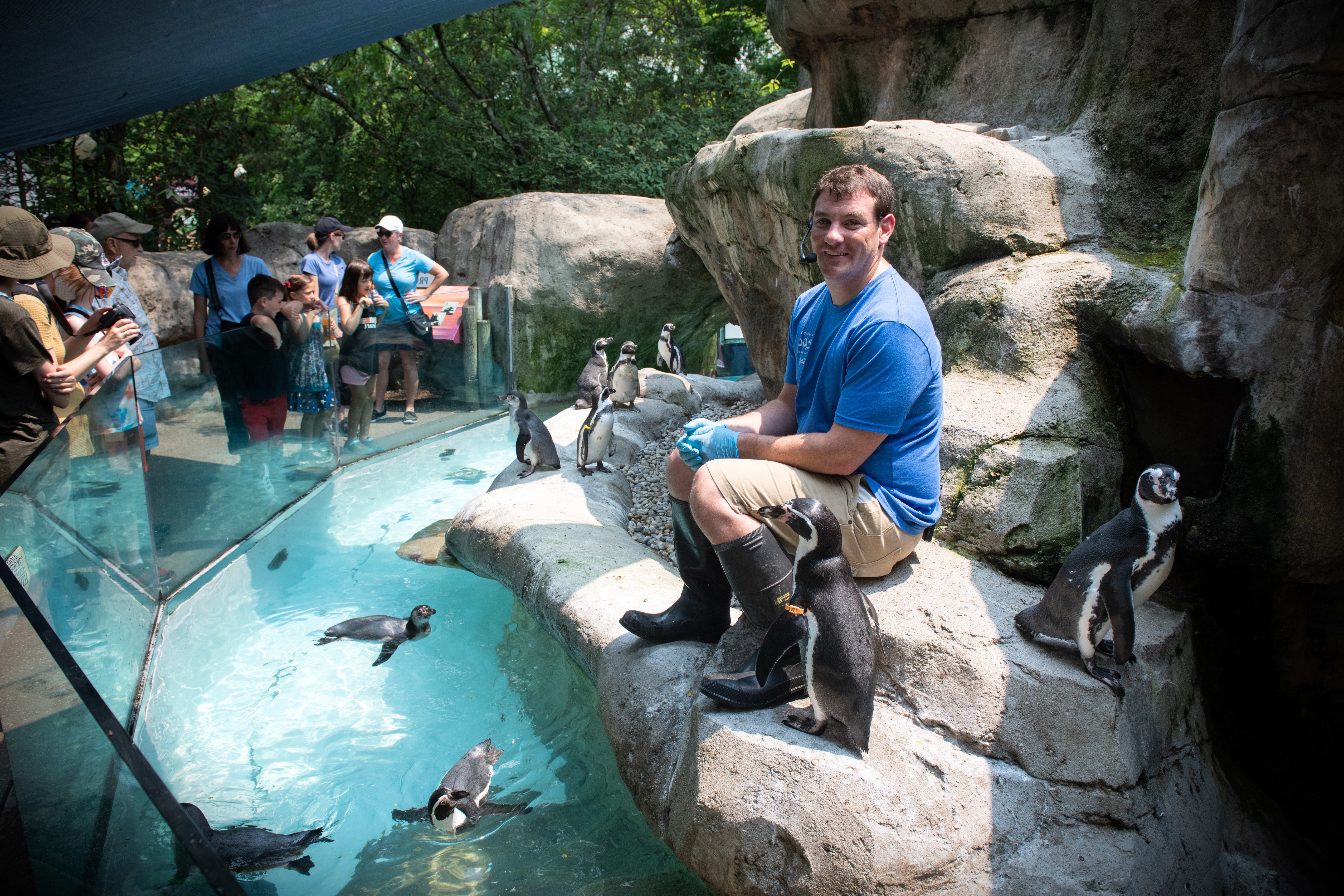
By visiting their habitat, families can watch Humboldt penguins swim, dive, and interact with one another while learning how their bodies are perfectly designed for life along the South American coast.
These up-close moments help children connect what they see to bigger ideas like habitat protection, ocean conservation, and caring for wildlife.
Learn Even More at a Penguin Keeper Talk
Want to hear even more penguin fun facts straight from the experts?
One of the best ways families can learn more during their visit is by stopping by a Humboldt penguin Keeper Talk! Included with Zoo admission, these talks give guests the chance to hear directly from the Animal Care team members who work with the penguins every day.
Kids especially love Keeper Talks because they get the inside scoop on things like:
- What the penguins eat
- How keepers create enrichment activities
- The different sounds and behaviors penguins use to communicate
- How the Zoo helps protect penguins and ocean wildlife around the world
It is also a great chance for parents to turn curiosity into conversation.
After the talk, ask your child:
- What was the coolest penguin fact you learned?
- Why do penguins need healthy oceans?
- Did you notice the bubbles while they were swimming?
Those simple questions help the learning continue long after you leave the habitat. Keeper Talks are proudly presented by Fifth Third Bank.
Keeper Talk Times and Locations
Why Penguins Need Our Help
Humboldt penguins are listed as Vulnerable, which means they face serious challenges in the wild.
Some of the biggest threats include:
- Climate change
- Changing ocean currents
- Overfishing
- Accidental entanglement in fishing nets
- Habitat disturbance along nesting coasts
These are big ideas, but they are easy for kids to understand when we start with one simple truth: Penguins need healthy oceans full of fish and safe places to raise their chicks.
Easy Conservation Lesson for Kids
One of the best ways parents can turn this into a learning moment is by asking:
“What do penguins need to survive?”
Kids usually land on the perfect answers:
- Clean water
- Fish
- Safe homes
- Protection from danger
That simple conversation helps children connect animal care at the Columbus Zoo and Aquarium to wildlife conservation around the world. And next time they spot those speedy bubble trails in the water, they’ll know they’re watching science in action.
Purchase a Zoo Membership link