As Rita Jean approaches her first birthday, she's preparing for an important milestone that reflects years of scientific research, dedicated animal care, and the Columbus Zoo and Aquarium's leadership in protecting elephants around the world.
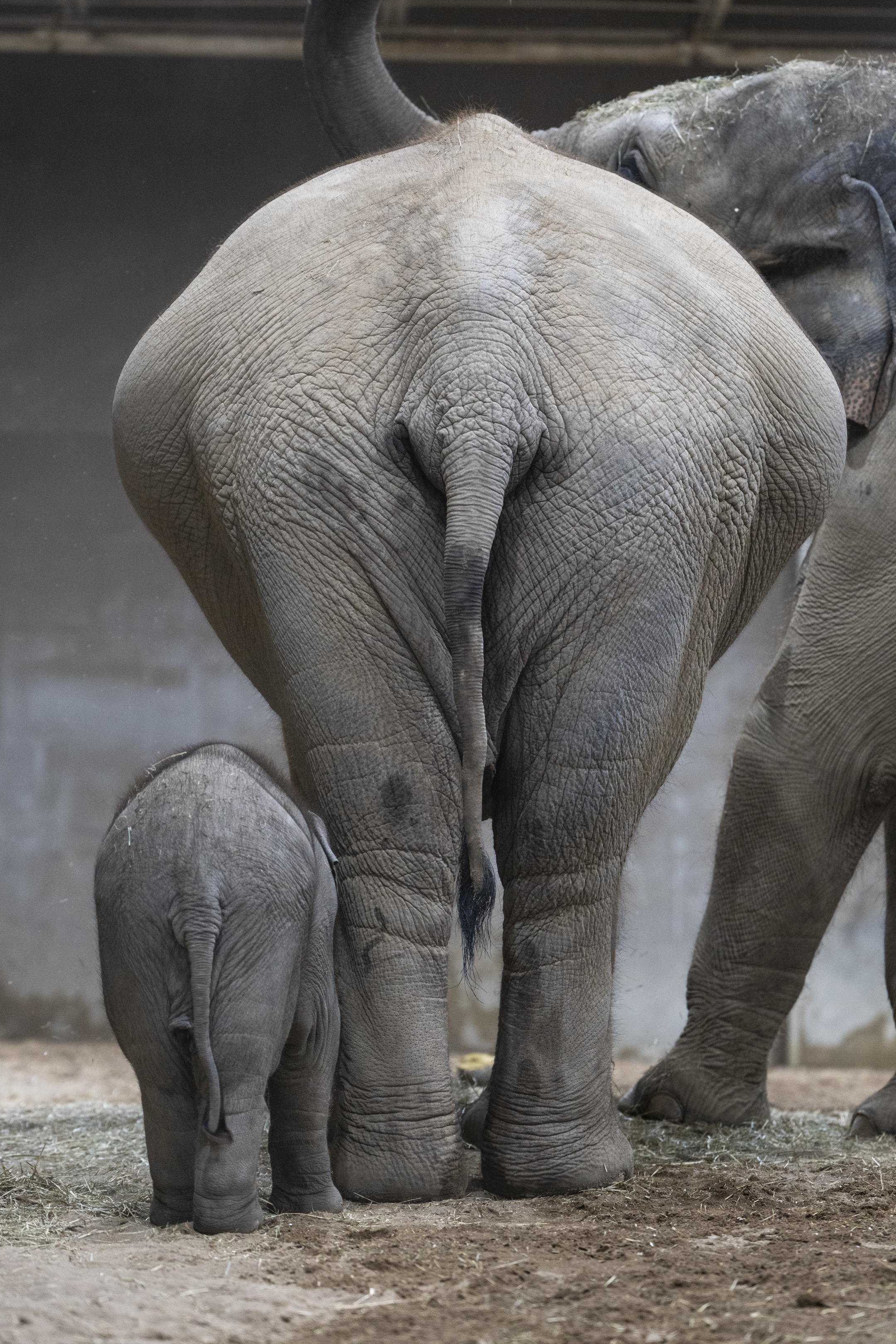
Rita Jean has spent her first year doing what young elephants do best. She's explored every corner of her habitat, splashed in the water, learned from the older members of her herd, played with her younger brother, and delighted guests with her playful personality.
Soon, she will reach another important milestone.
As part of her ongoing healthcare, Rita Jean will receive her first Elephant Endotheliotropic Herpesvirus (EEHV) vaccine after her first birthday. Later this year, her younger brother, Oliver, will receive his after celebrating his first birthday.
While the vaccine is one moment in Rita Jean's journey, it reflects years of collaboration among veterinarians, researchers, and elephant care professionals working toward a common goal: protecting one of the world's most endangered species.
What is EEHV?
Researchers continue studying why EEHV affects some elephants but not others. Every new discovery improves the ability to detect the virus earlier, provide treatment sooner, and strengthen efforts to protect elephants both in professional care and in their native ranges.
“EEHV is one of the greatest health threats facing young elephants in professional care. While elephants in their native ranges also carry the virus, they have other health issues to consider, and EEHV does not seem to be impacting populations at this time,” stated Dr. Priya Bapodra-Villaverde, Senior Veterinarian at the Columbus Zoo. “Most elephants naturally carry the virus without becoming sick. However, after maternal immunity wanes and those materially derived protective antibody levels naturally decline, young elephants exposed to the virus for the first time can become very ill depending on the virus type. Asian elephants between about 1-10 years old are considered the most vulnerable.”
Leading the Way in Protecting Elephants
The Columbus Zoo has played an important role in advancing the understanding of EEHV and improving elephant healthcare.
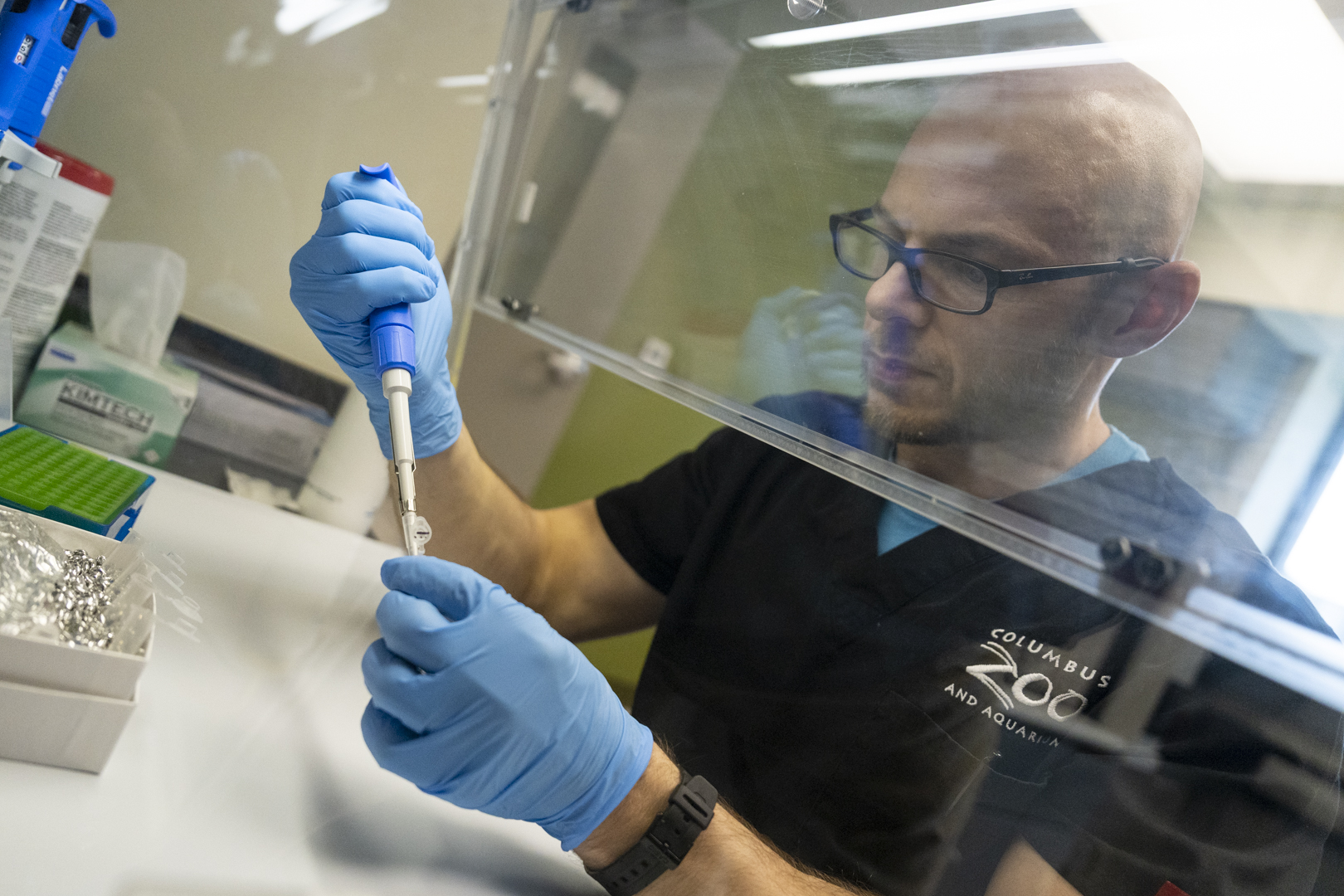
Following the loss of a young elephant named Beco to EEHV in 2022, the Zoo strengthened its commitment to fighting the disease through research, collaboration, and innovation. That commitment led to the creation of an on-site EEHV laboratory, making the Columbus Zoo one of nine zoological organizations in the United States capable of performing advanced PCR testing for the virus.
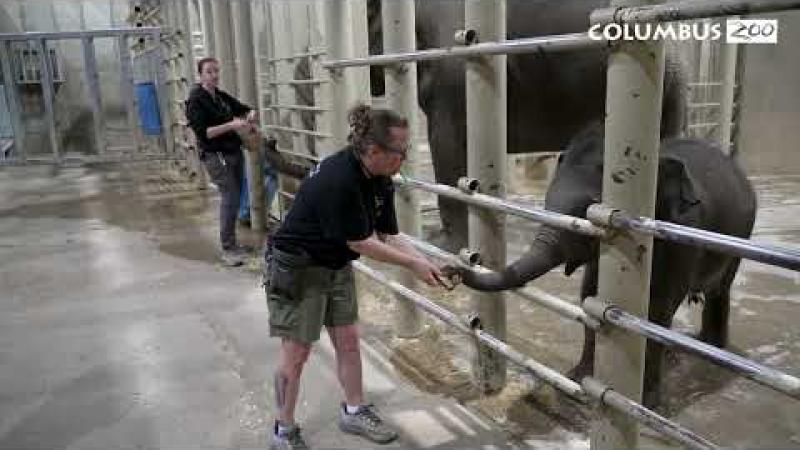
Today, veterinarians regularly monitor the herd through blood testing and trunk wash samples, allowing the team to identify changes as early as possible. The information collected is shared with researchers, and elephant experts around the world when requested, helping improve the care of elephants far beyond the Zoo's own herd.
The Zoo's leadership continues through its participation in EEHV vaccination efforts, giving every elephant in the herd another layer of protection as part of a comprehensive healthcare program.