Become a Zoo Member!
Unlimited visits all year long, free parking, and more.


Today's Hours: Zoo Hours: 10am - 6pm. Lantern Festival Hours: 7:30pm - 10:30pm.
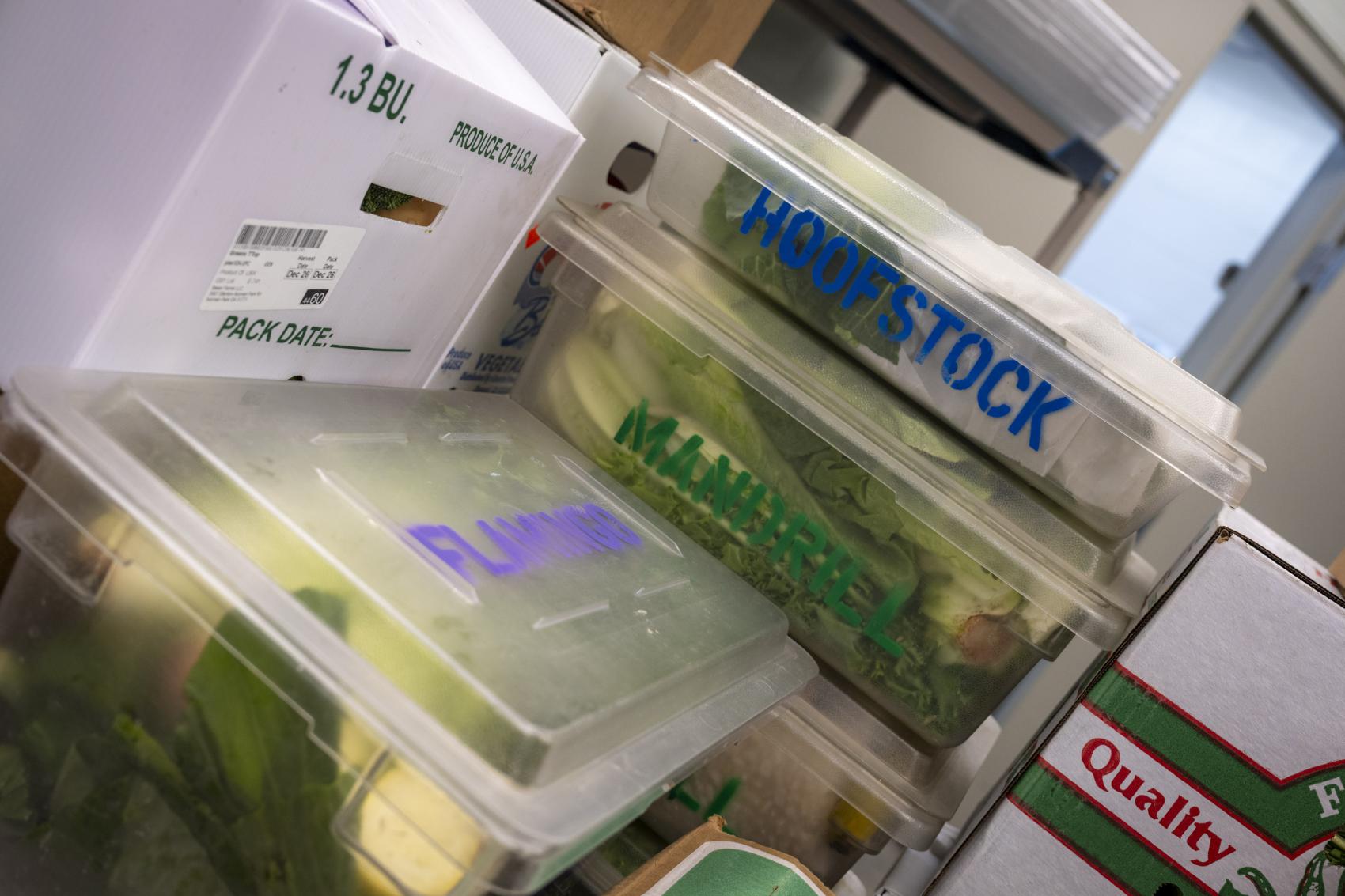

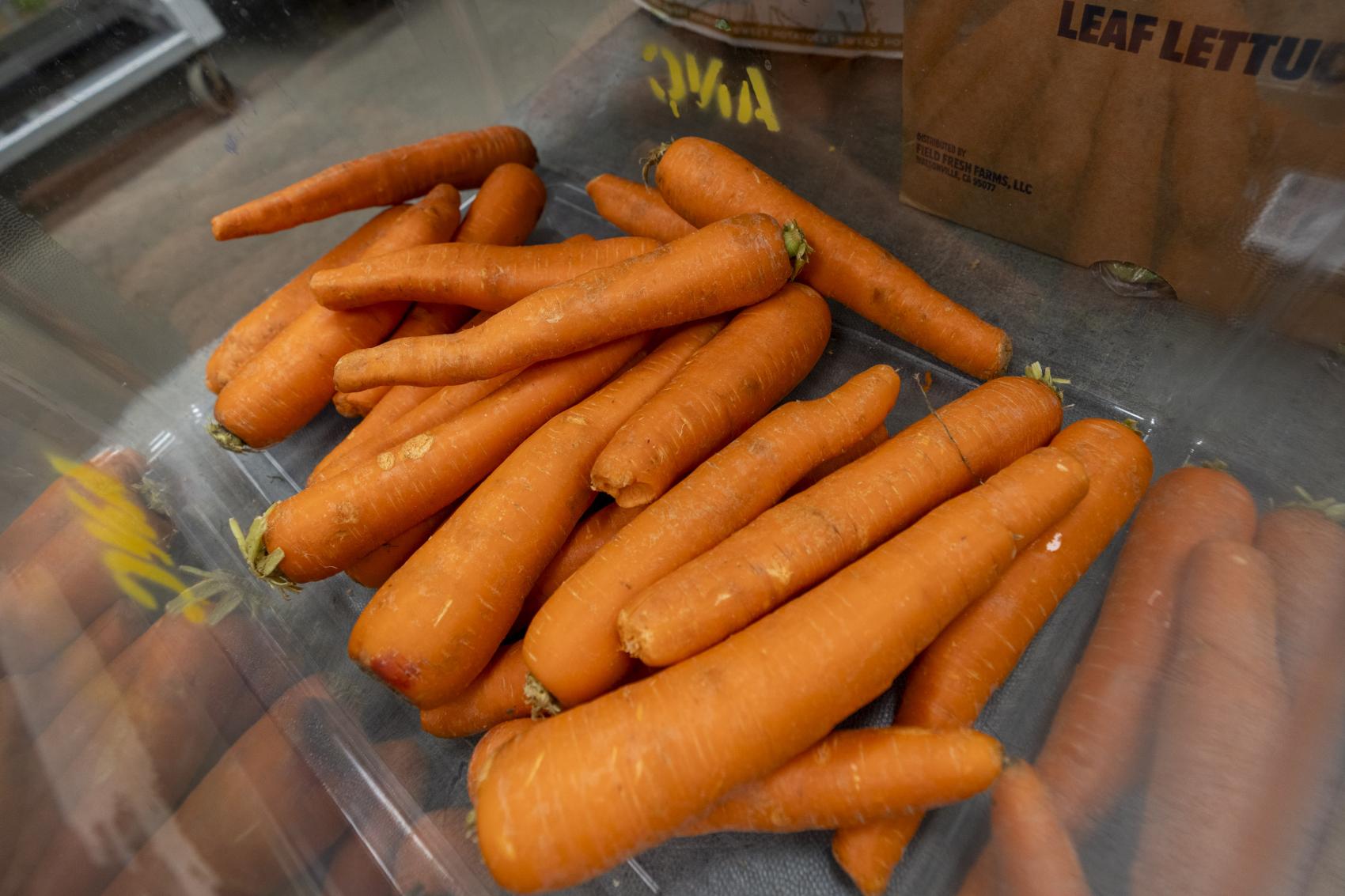
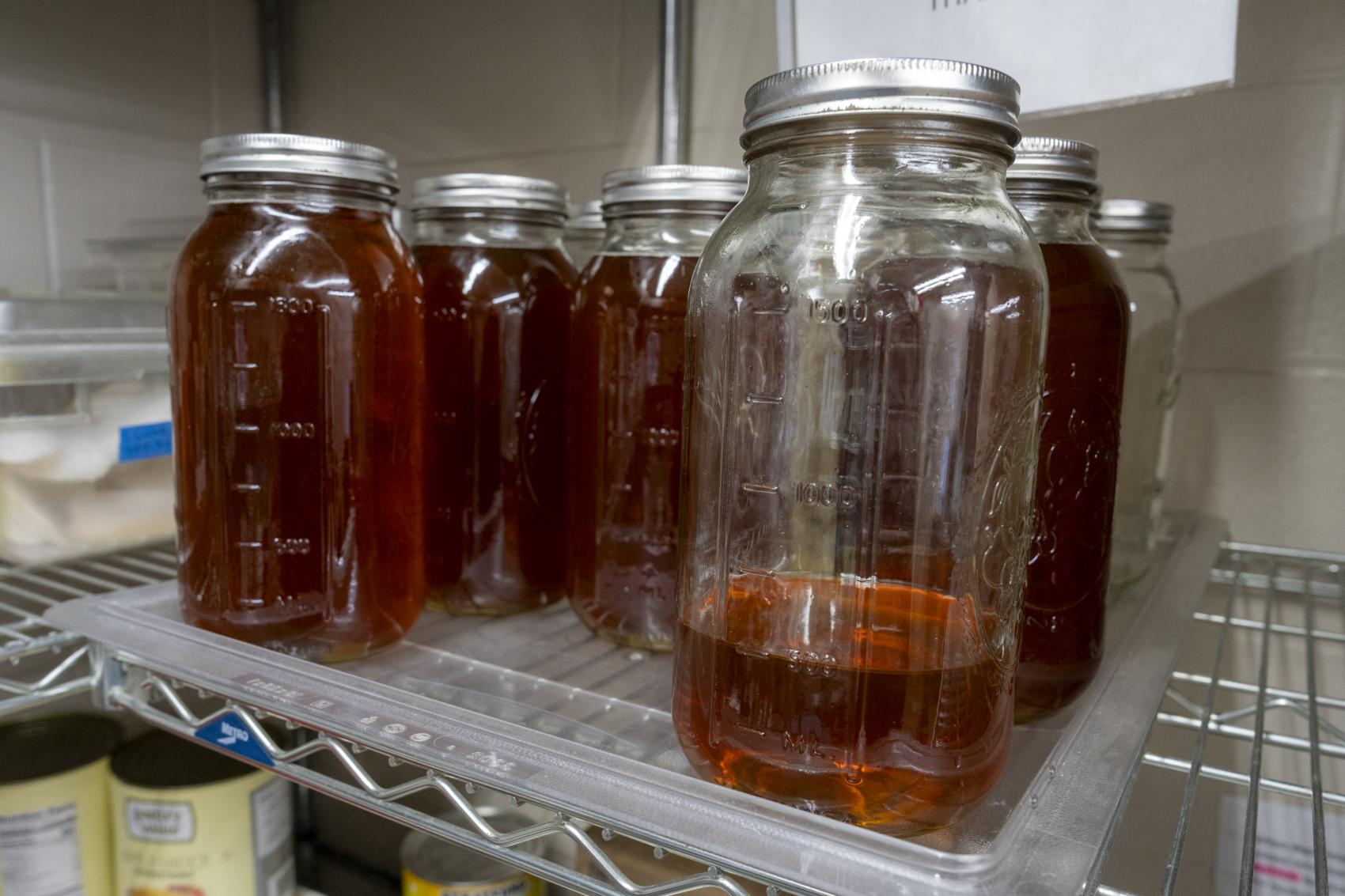
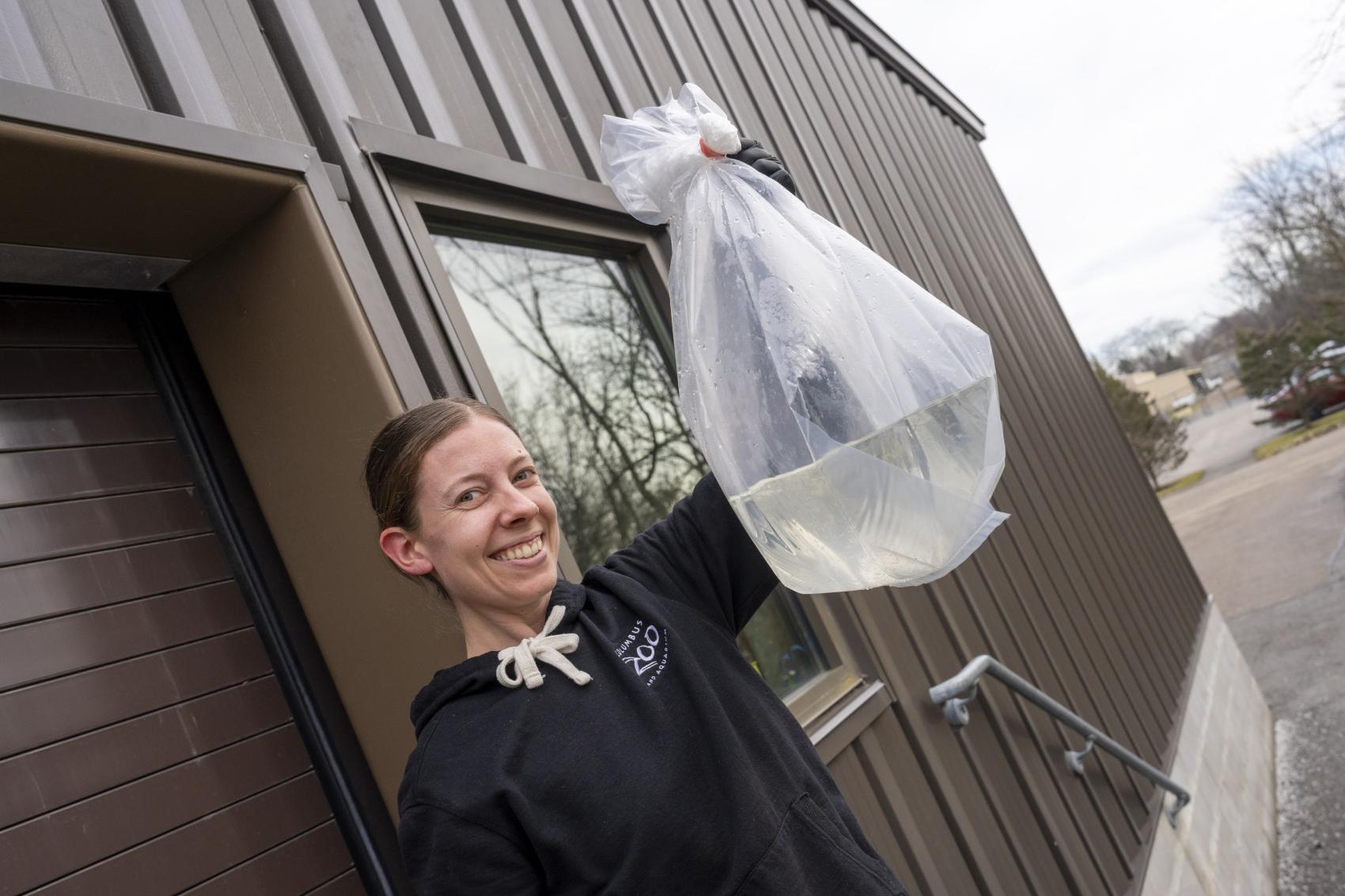
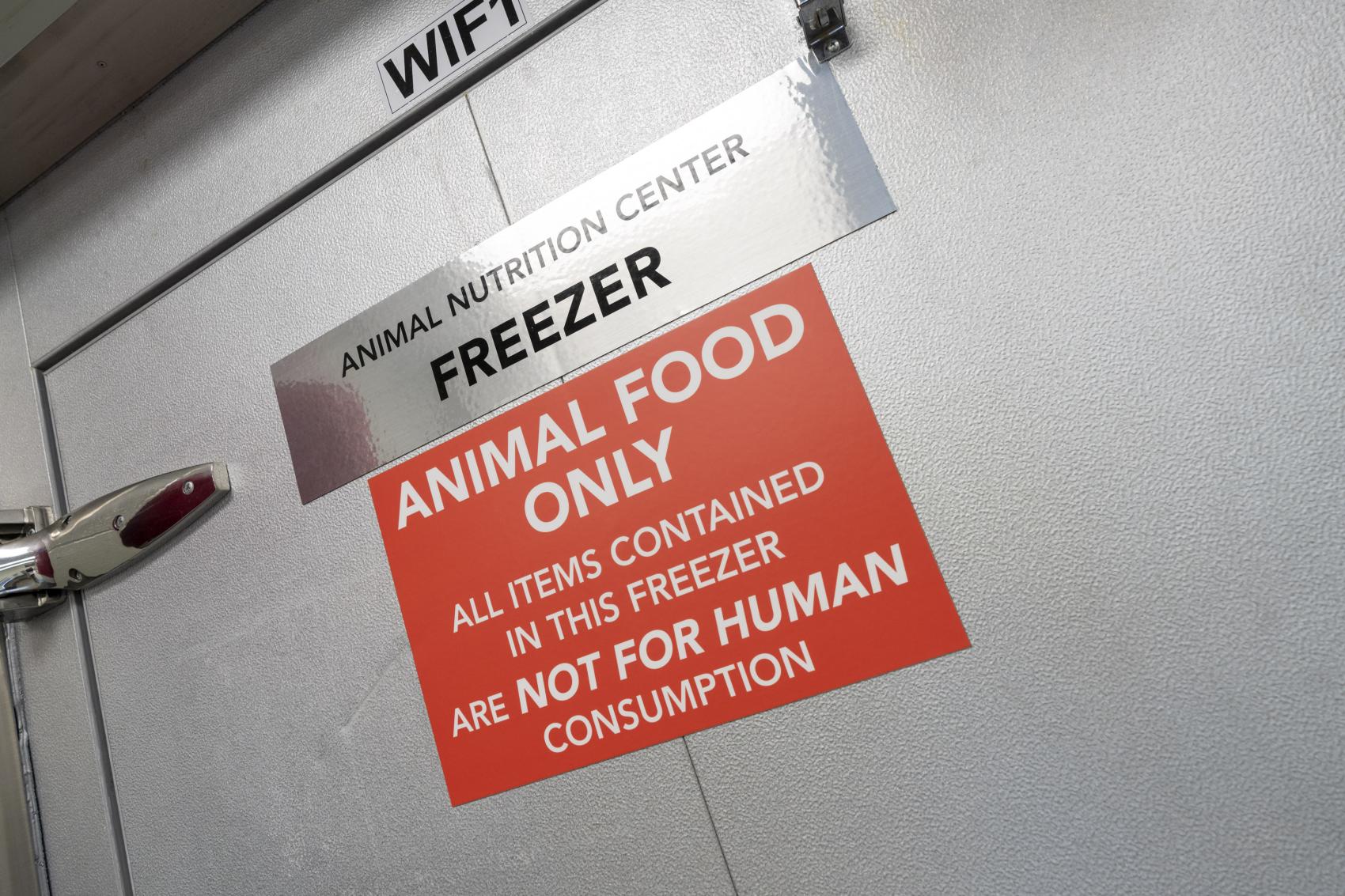
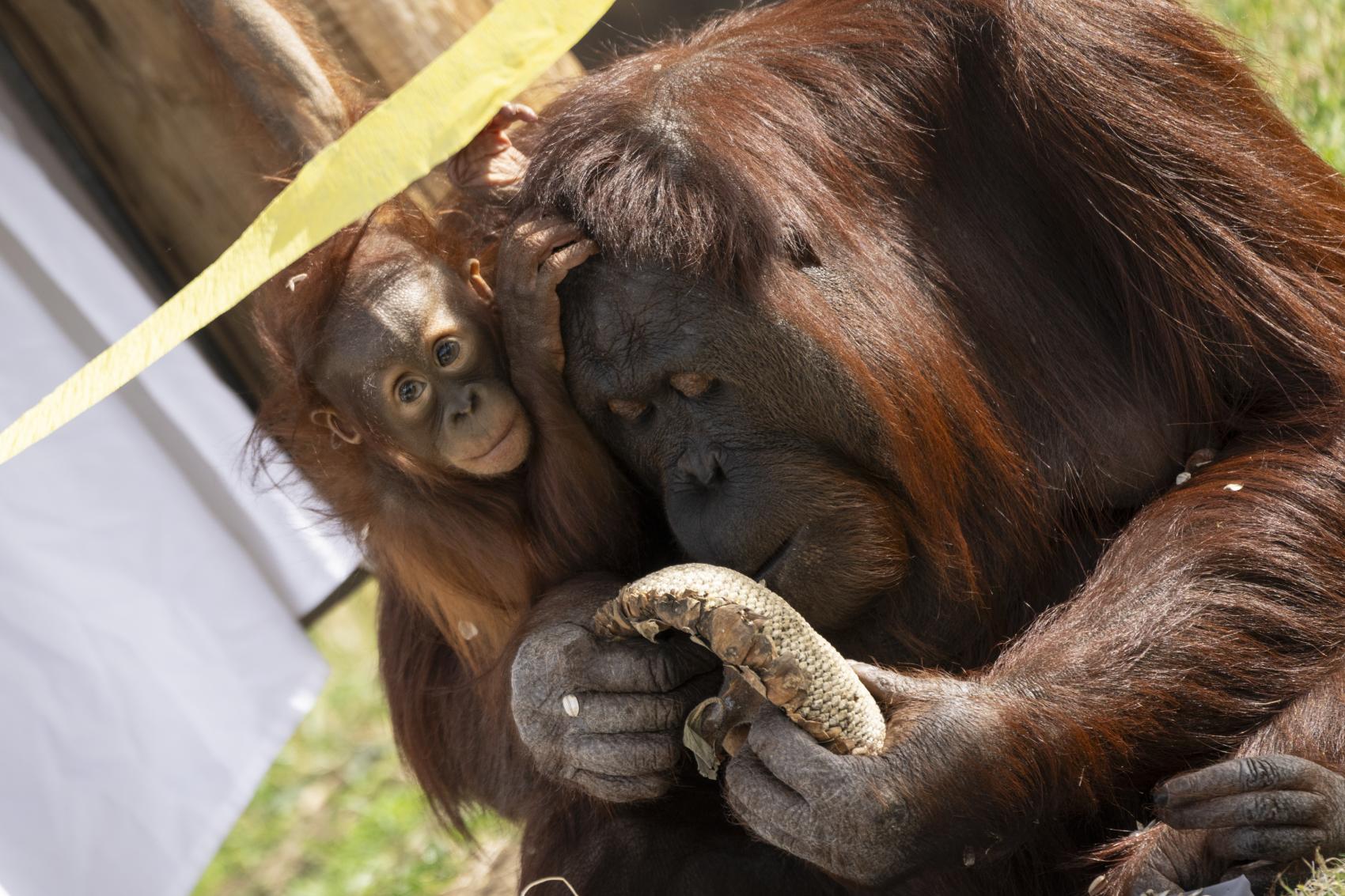
At the heart of the Columbus Zoo and Aquarium’s Animal Nutrition Center is a system built on precision, adaptability, and constant communication. Record keeping, usage trends, and collaboration are the foundation of everything this team does, and those systems matter because nutrition at the Zoo never exists in a vacuum.
Every day, decisions are influenced by a long list of variables.
Vendors.
Curators.
Veterinarians.
Animal care teams.
Weather.
International supply chains.
Even global politics.
And of course, the animals themselves. Births, aging animals, medical needs, breeding activity, new arrivals, and departures all play a role in how diets are planned and adjusted.
The Columbus Zoo’s nutrition programs are rooted in education, shared knowledge with other accredited zoos, and decades of hands-on experience. That framework serves as a starting point, but never a finish line. Each animal is an individual, and every diet is designed to reflect that.
Learn More about the Zoo's Animal Nutrition Center
One of the Animal Nutrition Center’s daily goals is simple in theory and complex in practice: provide nutritionally balanced meals that closely reflect what animals would consume in the wild. That goal does not change with the seasons, but Ohio weather certainly complicates how it is achieved.
The Columbus Zoo sources locally whenever possible, but it is not feasible to grow the volume and variety needed during colder months. Seasonal shifts across the country directly impact availability, quality, and cost.
One consistent challenge occurs each fall, when lettuce size declines and prices increase as growing regions transition fields. Rainfall and sunshine in distant states directly affect what arrives at the Zoo, and prices can double, or triple, seemingly overnight.
While contracts help manage costs, weather remains unpredictable. By November, every order becomes a calculated decision balancing quality, budget, and animal needs.
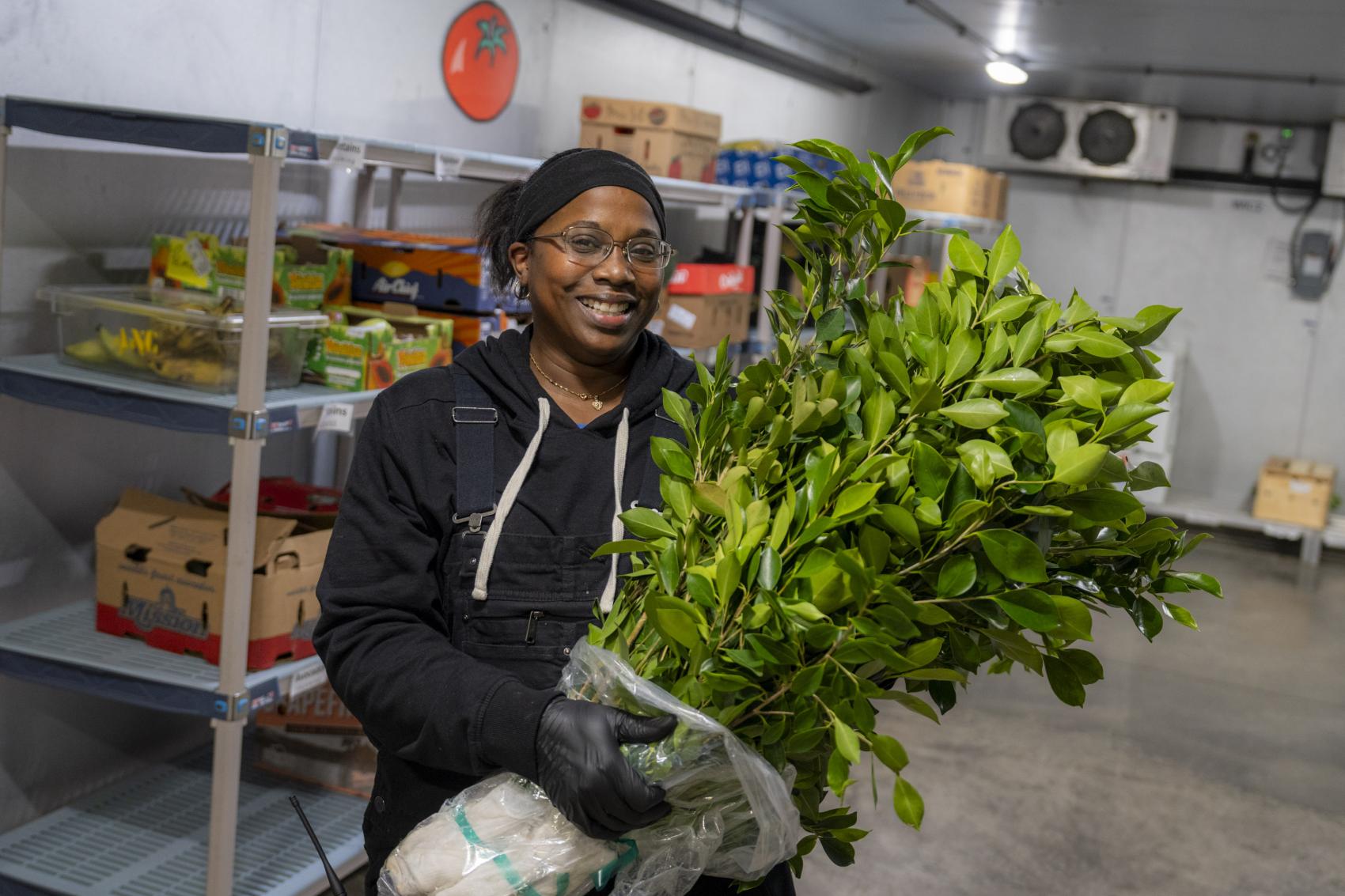
Winter nutrition planning extends far beyond spreadsheets and ordering systems. Animal Nutrition Center staff work inside a minus-13-degree freezer multiple times a day, year-round. Protective gear is standard, and a hot drink during breaks becomes a small but meaningful reward.
Winter storms add another layer of complexity. Snow, ice, and wind can delay or cancel shipments entirely. When that happens, alternative diet plans may need to be implemented quickly when available.
During the Zoo’s winter season, later public opening times give Animal Care teams more flexibility in their morning routines, which include shifting animals, training, medicating, and feeding. That same schedule provides a small buffer for nutrition deliveries, though the Animal Nutrition Center still begins its day at 6 a.m., often before roads are cleared or sidewalks salted. Navigating vans, dollies, bins, and boxes through deep snow becomes part of the job.
Contrary to popular movie tropes, elephants are not fed peanuts, primates do not live on bananas, and goats are certainly not chewing on tin cans. While some of those foods may appear occasionally, they are never primary nutrition sources.
Understanding the dietary needs of Zoo animals is a highly specialized, species-specific science, and applying that knowledge requires constant teamwork. Animals retain their natural instincts and genetic predispositions, even under professional care, so keepers closely monitor behavior, appetite, and leftovers. That information flows directly back to the Animal Nutrition Center, allowing diets to be increased, reduced, or adjusted as needed.
Weather-related adjustments are part of daily operations. The Animal Nutrition Center works with vendors around the world to source diets that are nutritionally balanced, calorically appropriate, palatable, and species-specific.
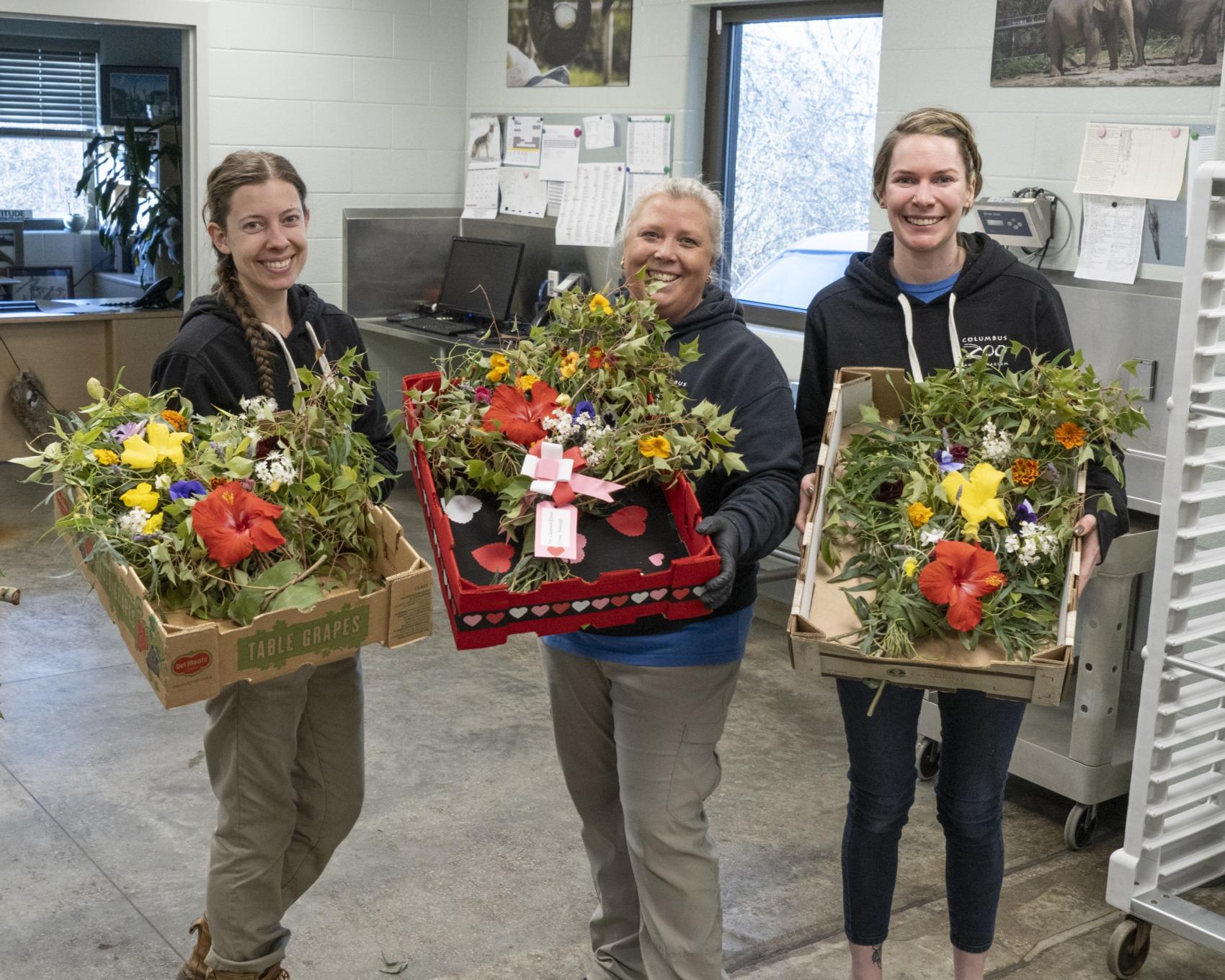
During winter, browse becomes a major consideration. Leaf-eating species rely more heavily on browse purchased from alternate growing zones, since Ohio trees are bare. Live feeder animals, such as crickets and mealworms, require special winter shipping protocols, including heat packs, shorter transit times, and insulated containers.
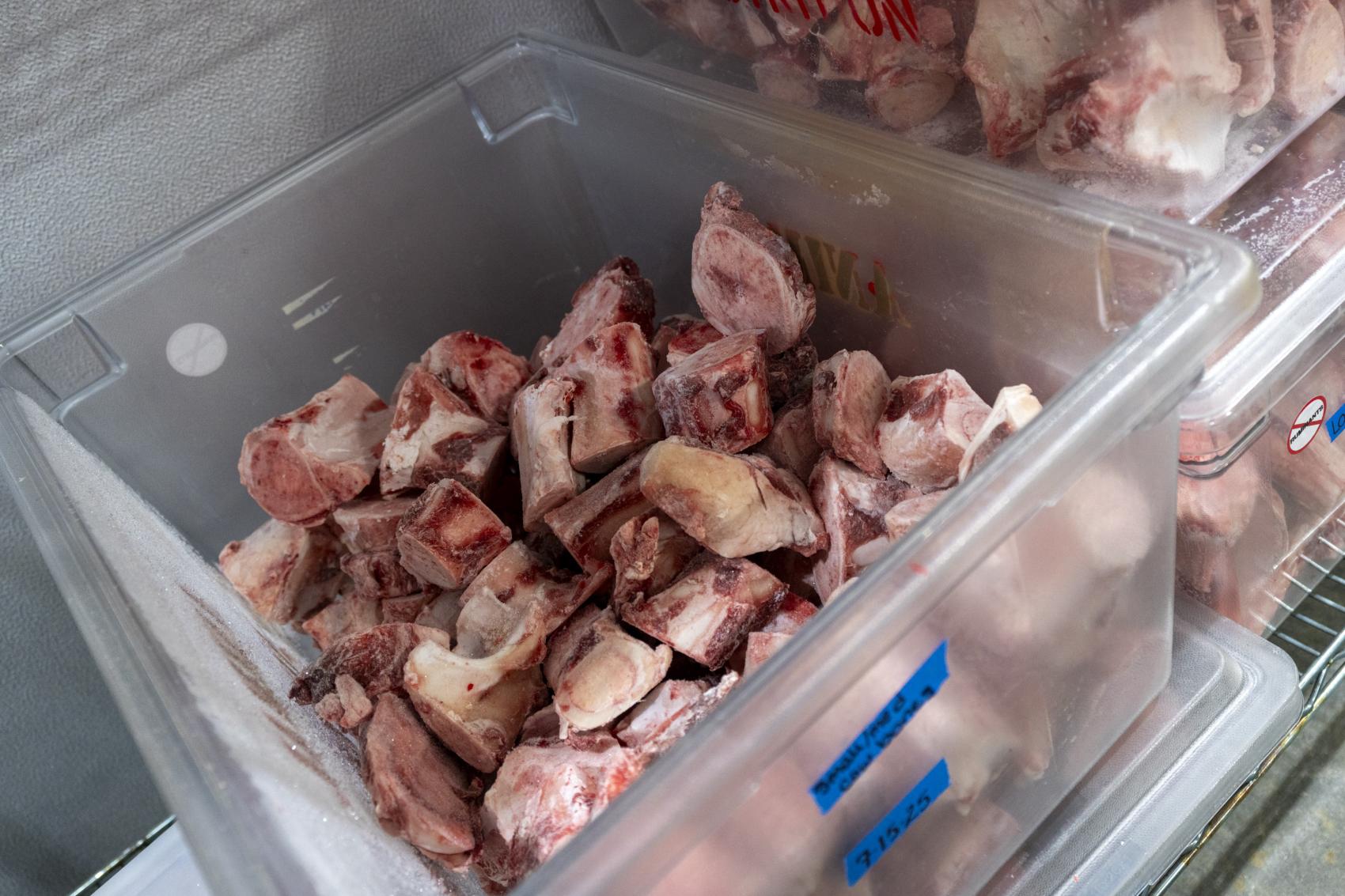
Some items are stocked strategically. Soup bones, for example, are purchased in greater quantities during summer when prices are lower, then used throughout the winter when human demand rises.
Columbus Zoo animals have access to indoor spaces, so extreme seasonal diet changes are not always necessary. Activity levels may dip slightly, but usually not enough to require major adjustments. Vitamin D levels, however, are monitored closely due to reduced sunlight exposure, with supplementation added when needed.
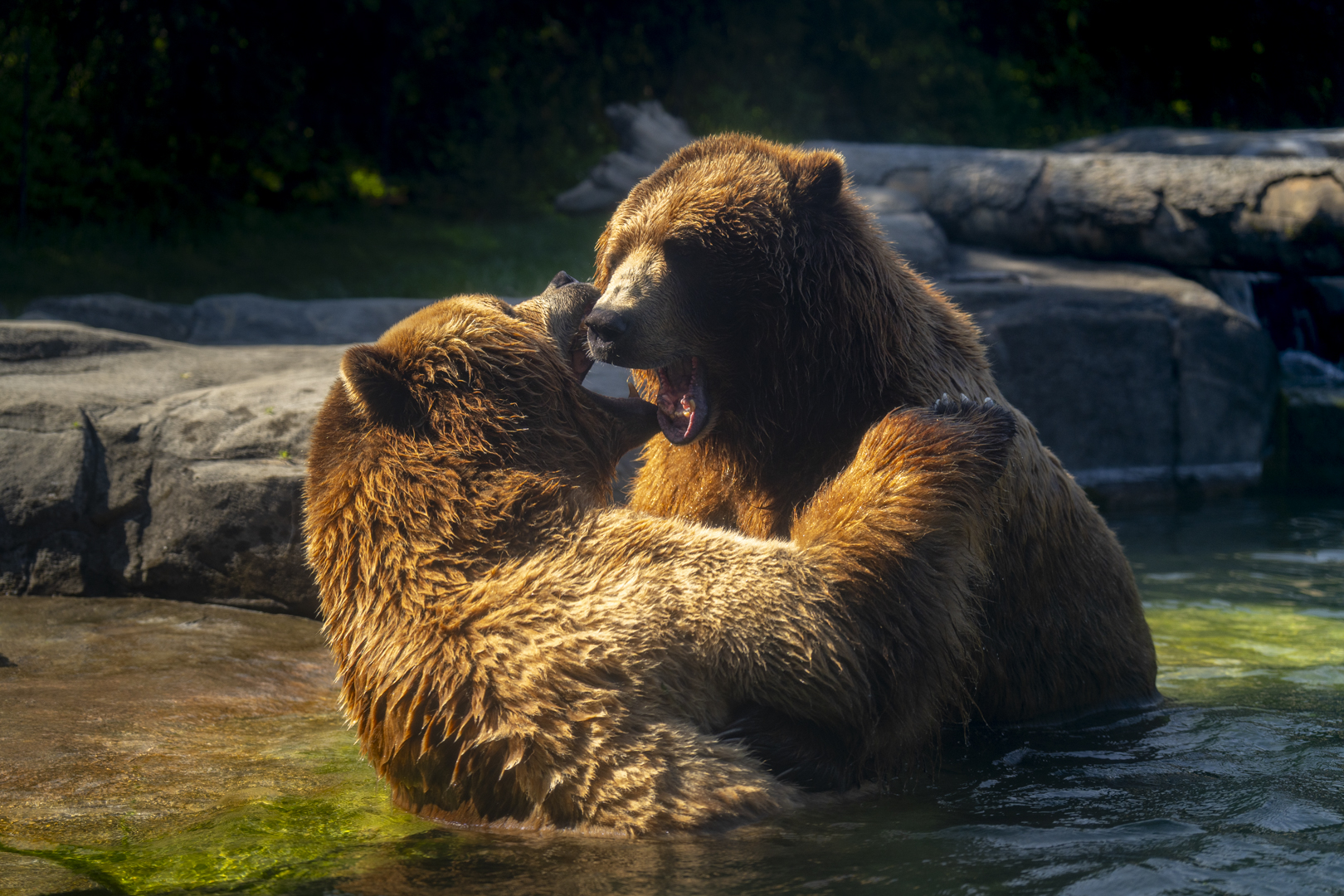
During the summer, brown bears consume their highest volume of food all year, averaging around 60 pounds of produce daily, along other dietary items. This mirrors wild behavior, when food is abundant and activity levels are high.
As fall approaches, bears respond to environmental cues like cooler temperatures and shorter days. This signals the start of hyperphagia, a period of increased appetite. While total produce volume decreases, the composition changes significantly. Lettuce is reduced, while more calorie-dense vegetables increase.
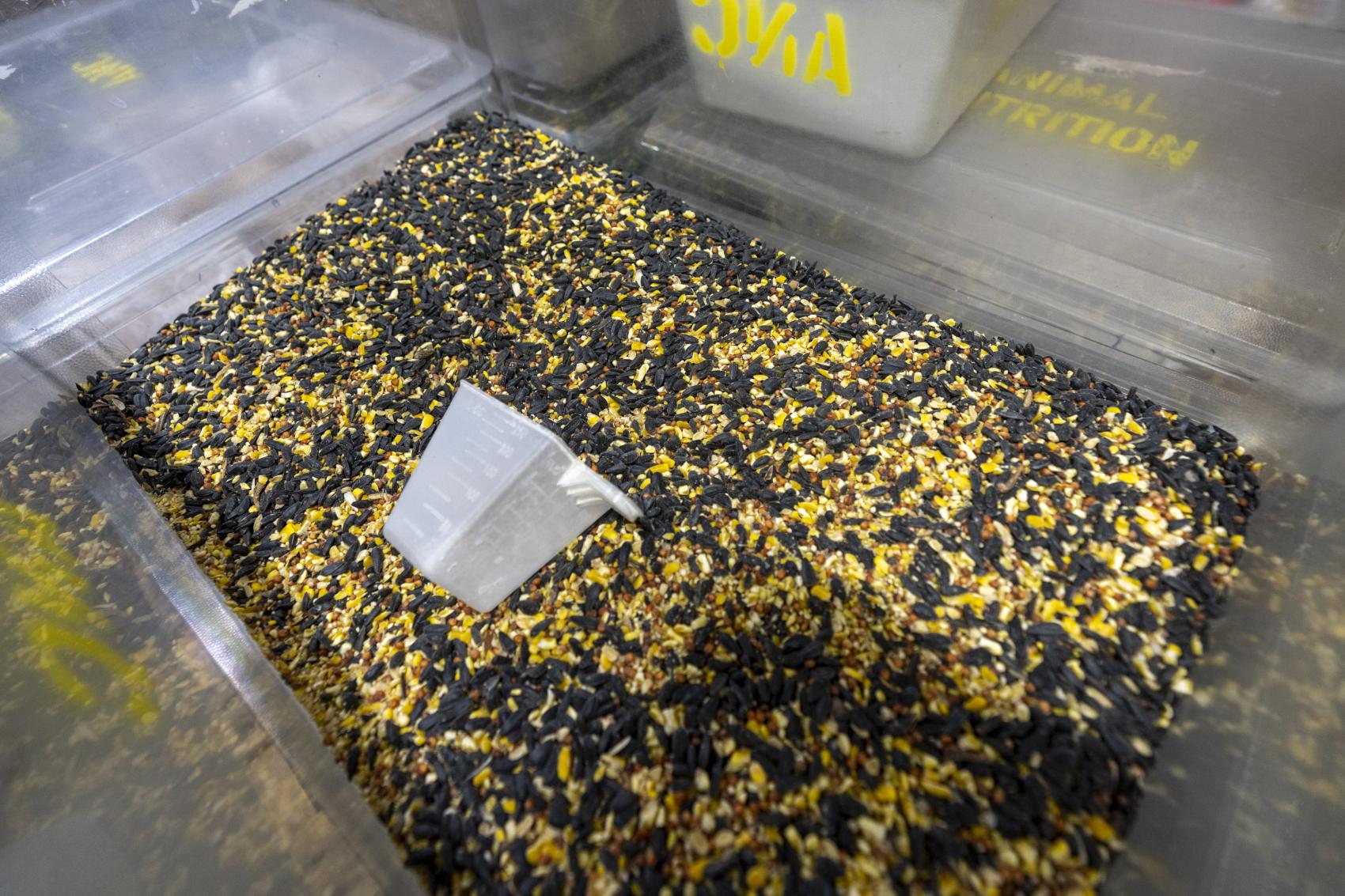
Scatter feeding becomes more common, with seeds, biscuits, vegetables, nuts, and even some popcorn distributed throughout the habitat. These items support weight gain while encouraging natural foraging behaviors. Quantities are carefully tracked through weekly orders placed by animal care teams.
As winter sets in, bears enter torpor, sometimes called “walking hibernation.” Activity drops significantly, and daily diets are reduced to just a few pounds for monitoring purposes. Supplemented feed amounts vary based on appetite, and, some days, bears may not eat at all.
Black bears follow similar seasonal patterns, though in smaller volumes. Cubs continue receiving full nutrition to support growth since they do not enter torpor until a bit older.
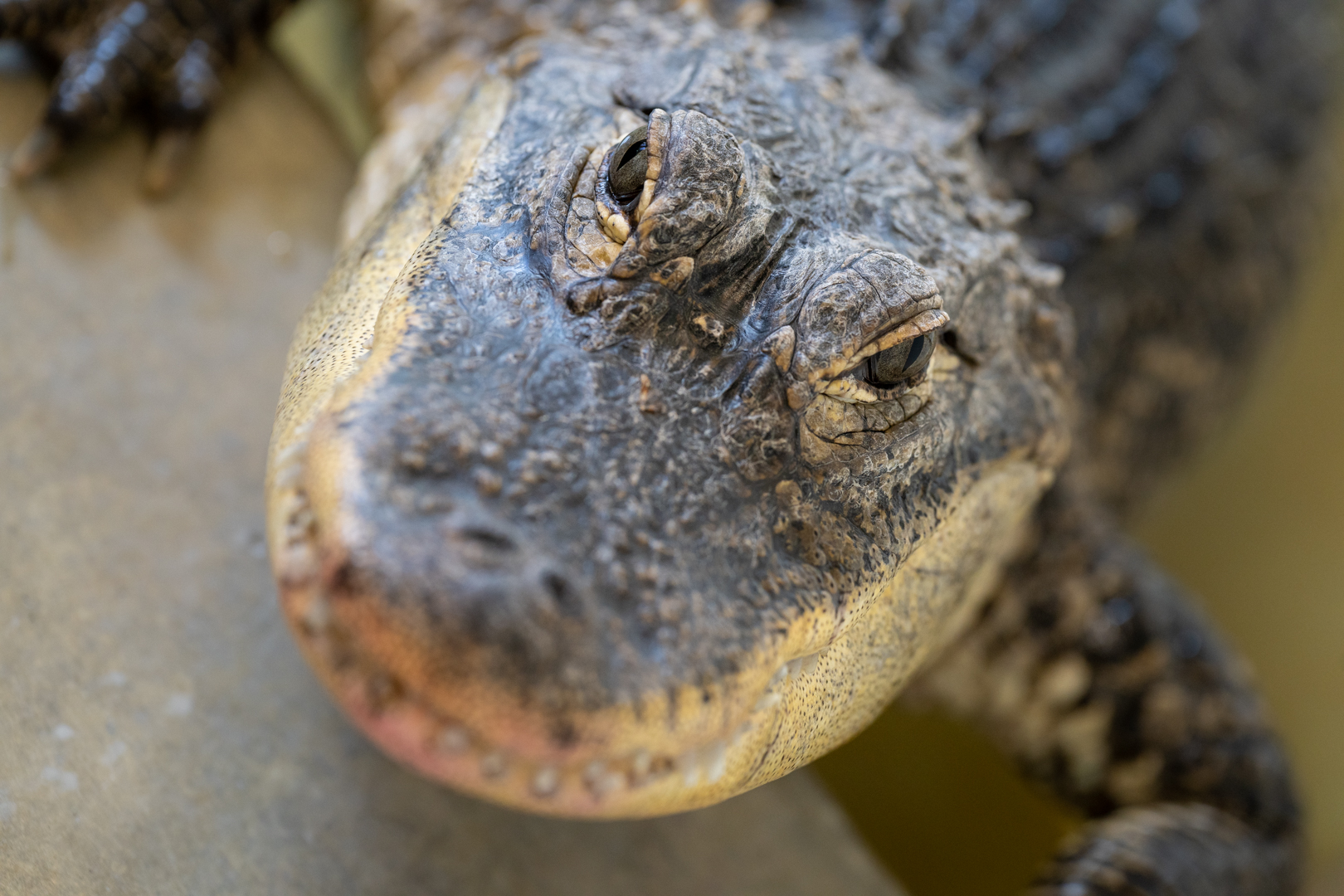
For reptiles, winter dormancy is known as brumation. During this period, metabolism, heart rate, and digestion slow dramatically.
At the Columbus Zoo, alligators are active from late spring through early fall. Feeding resumes gradually after winter, starting with small training portions as water temperatures rise. Over several weeks, diets expand to include fish, rodents, and formulated chow.
As temperatures drop in fall, feeding decreases. Once conditions are right for brumation, food is discontinued entirely to allow digestion to complete. Pool temperatures remain cool but stable, allowing the alligators’ natural dormancy cycle to proceed safely.
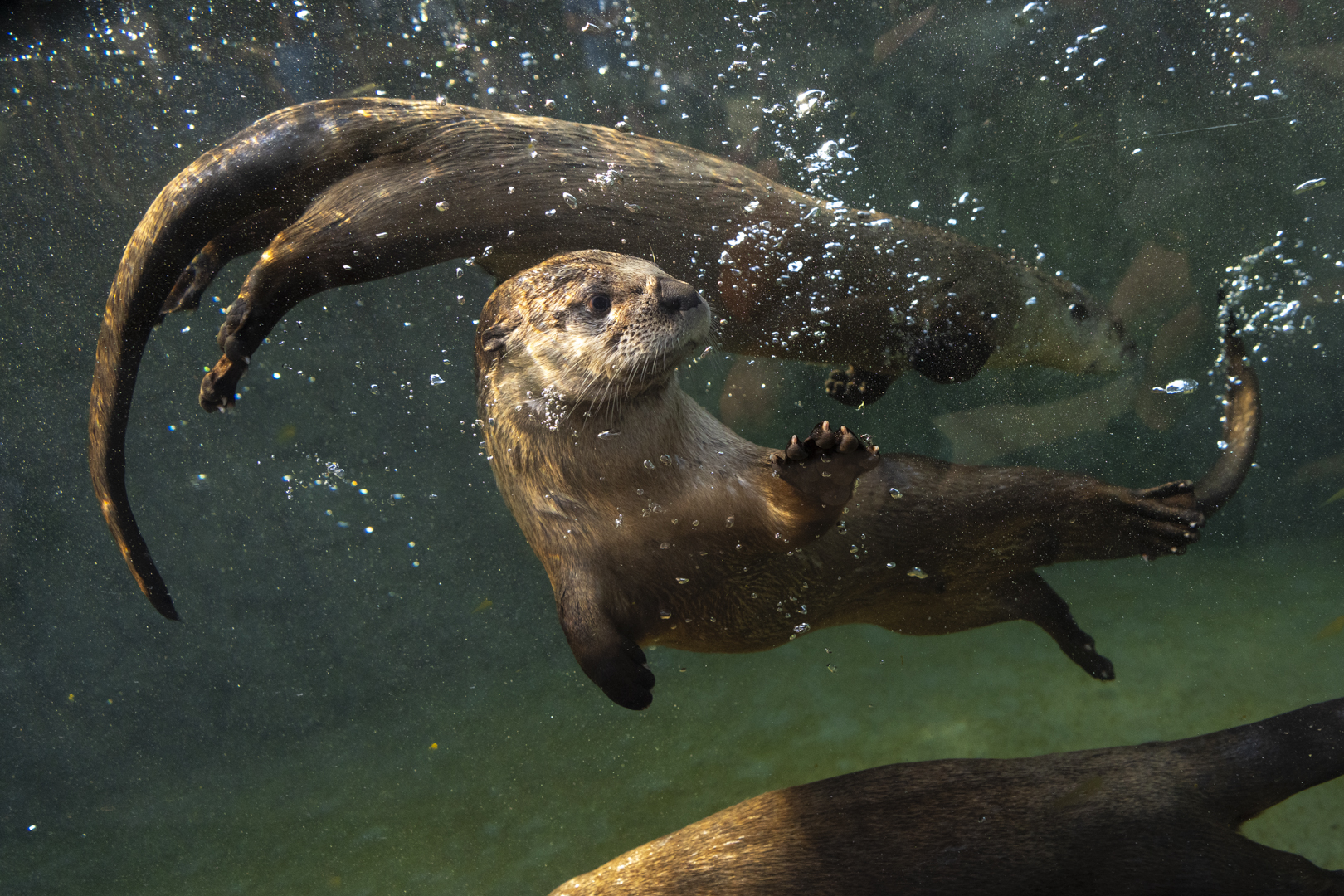
North American river otters remain active year-round, even in winter, so their diet stays largely consistent. Activity levels, social behavior, and weight management drive adjustments more than temperature.
Severe cold can limit access to outdoor pools, reducing activity and prompting temporary diet reductions. In the North America otters’ new habitat within North America Trek, temperature-controlled pools help mitigate this challenge.
Asian small-clawed otters rely on indoor enrichment during winter. Large indoor pools allow keepers to maintain activity levels while incorporating feeding enrichment that encourages natural foraging and diving behaviors.
Learn More about North American River Otters Learn More about Asian Small-Clawed Otters
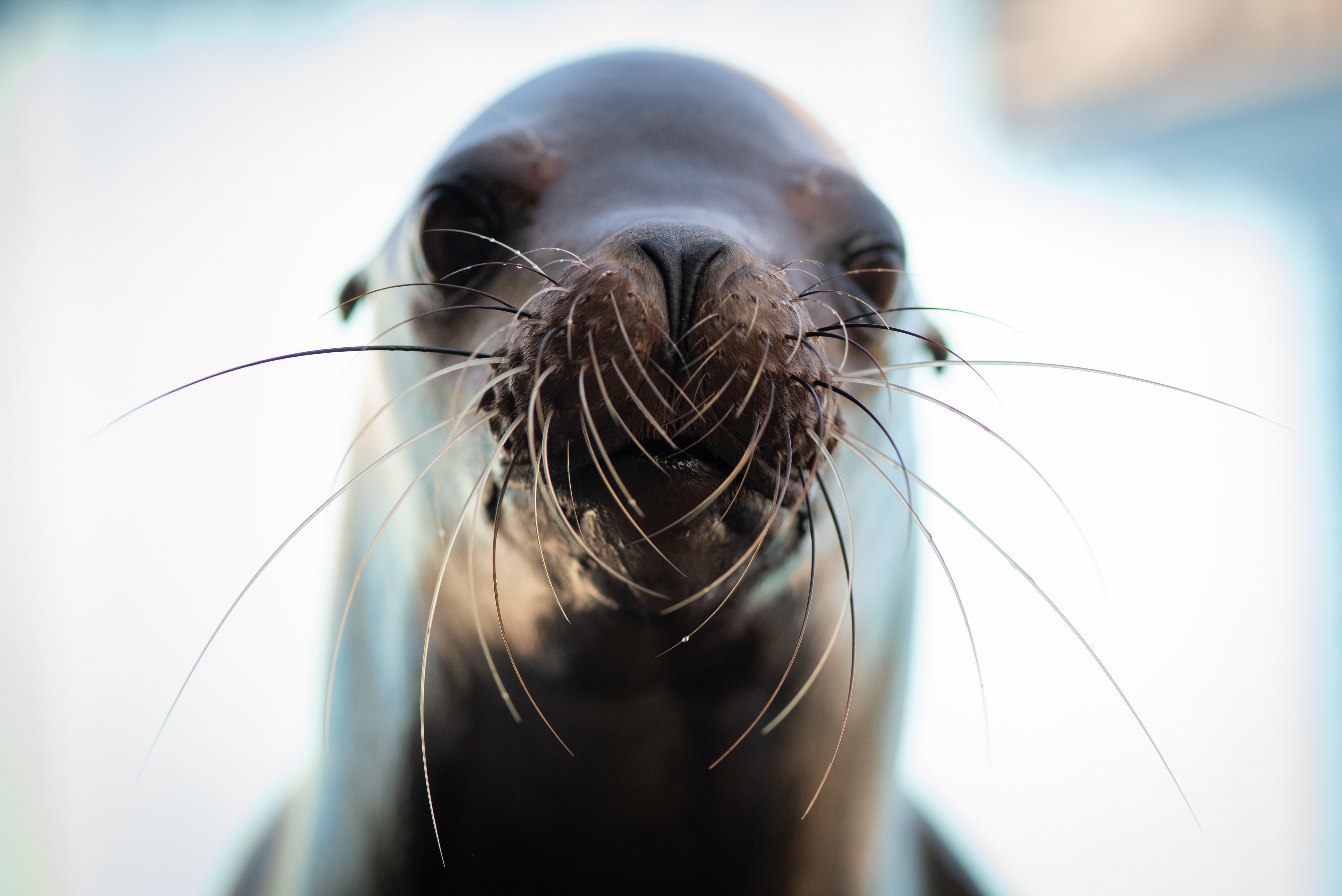
Seals and sea lions remain highly active in winter, often swimming more than in summer! Their pools are temperature-regulated year-round, allowing consistent access regardless of weather.
Because pinniped diets rely on specific fish species sourced from limited suppliers, planning is critical. Fish must meet strict size, quality, and nutritional standards. Orders are placed weeks, or sometimes up to a year, in advance and coordinated carefully to ensure uninterrupted feeding.
Fat content and caloric density are regularly analyzed, and freezer inventory is closely monitored to align with seasonal usage patterns.
The Animal Nutrition Center supports thousands of animals at the Columbus Zoo and Aquarium, relying on detailed diet records for every individual. Any question or concern triggers direct communication with Animal Care teams, and notes are added to records for future reference.
Some species transition between different diet formulations throughout the year to support breeding, growth, or increased energy needs. These changes are carefully timed to minimize waste and maintain efficiency.
While routines repeat daily, seasonal shifts, discoveries, and unexpected challenges keep the work dynamic. Adaptability is essential, and problem-solving is part of the science.
When nutrition is done well, it supports animal health, simplifies care routines across departments, and ensures every animal at the Zoo receives exactly what they need, every single day.